
Click Here To RSVP For Morning Mahjong On 1/21/26


Caregiver Burnout: Recognizing the Signs and Getting Help Before It’s Too Much

Caregiver Burnout: Recognizing the Signs and Getting Help Before It’s Too Much

You wake up exhausted even though you slept. The thought of another day managing medications, coordinating appointments, and providing round-the-clock care feels overwhelming. You can’t remember the last time you did something just for yourself. If this sounds familiar, you’re not alone, and what you’re experiencing has a name: caregiver burnout.

Jansen Hospice is a licensed hospice and palliative care provider serving Westchester County, NY with 24/7 support for patients and caregivers. We understand that caring for a loved one with a serious illness can be one of life’s most meaningful experiences, but it can also push you to your limits. Recognizing the signs of burnout and asking for support isn’t giving up. It’s what allows you to keep showing up for the person you love.

Understanding Caregiver Burnout in Home Hospice Care Westchester

Caring for a loved one with a serious illness can be physically and emotionally exhausting. According to Cleveland Clinic, caregiver burnout is a state of physical, emotional, and mental exhaustion that happens while taking care of someone else. This occurs when the demands of caregiving exceed a person’s ability to cope, often leading to stress, fatigue, and health problems.

Research from AARP and the National Alliance for Caregiving shows that nearly 1 in 4 Americans (approximately 63 million people) are family caregivers. Of these caregivers, 39% experience high emotional stress due to their caregiving responsibilities. Families often underestimate the intensity of caregiving, which involves tasks such as managing medications, coordinating appointments, assisting with daily activities, and providing emotional support. Without adequate resources and proper self-care, caregivers can experience emotional exhaustion and physical strain, making it harder for them to provide care for their loved one.

At home hospice care in Westchester Ny Jansen Hospice

Burnout can manifest in multiple ways, affecting both the mind and body:

  • Physical signs: constant fatigue, headaches, difficulty sleeping, frequent illnesses
  • Emotional signs: increased anxiety, irritability, sadness, or feelings of depression
  • Social signs: withdrawal from friends and family, loss of interest in hobbies
  • Mental signs: difficulty concentrating, forgetfulness, or feeling constantly overwhelmed

According to A Place for Mom, over 60% of caregivers report experiencing moderate to high levels of stress, and between 40-70% show clinical symptoms of depression. Additionally, 23% of caregivers report that caregiving has negatively affected their own physical health. Recognizing burnout early can prevent more serious consequences and help caregivers maintain their own well-being so they can continue supporting their loved one to the best of their ability.

What is Long Term Hospice Care and How It Supports Caregivers

Long term hospice care provides ongoing support for patients and families facing serious illnesses over extended periods. Unlike acute care, long term hospice care focuses on comfort, quality of life, and comprehensive support that includes caregiver education and respite services. This type of care recognizes that caregiving is a marathon, not a sprint, and provides resources to help families sustain their caregiving role over time.

Strategies to Prevent or Reduce Burnout

Preventing caregiver burnout requires both practical and emotional strategies. Here are a couple ways you can help yourself:

  • Share responsibilities: lean on relatives or friends to divide caregiving tasks, even for short periods of time
  • Prioritize personal well-being: maintain regular sleep, nutrition, and physical activity, and make time for hobbies that bring you joy
  • Join support groups: in-person or virtual support groups provide connection, advice, and help you feel less alone
  • Utilize services: options like in-home care or adult day programs give caregivers time to rest and recharge

Research published by the National Institutes of Health indicates that social isolation, poor health, and negative perspectives on caring represent important burnout predictors among family caregivers. This underscores the importance of seeking support and maintaining connections with others during the caregiving journey.

“Everyone is really dedicated to what they do for their patients and their families. And that’s what gives me joy and love to work with this team” – Milena Zaprianova, Jansen Patient Care Director

Key Takeaways

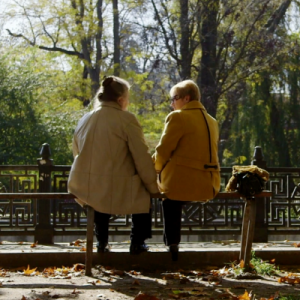
  • Two women talking in a parkCaregiver burnout affects more than 60% of caregivers and is a state of physical, emotional, and mental exhaustion
  • Common signs include fatigue, irritability, social withdrawal, difficulty sleeping, and neglecting self-care
  • Nearly 1 in 4 Americans provides unpaid care to a loved one, with 39% experiencing high emotional stress
  • Sharing responsibilities, prioritizing self-care, joining support groups, and utilizing respite services are effective strategies to prevent burnout
  • Recognizing burnout early and seeking help protects both the caregiver’s health and their ability to provide quality care
  • Burnout is not a sign of failure. It’s a natural response to the demanding nature of caregiving

Frequently Asked Questions

What’s the difference between caregiver stress and caregiver burnout?

Caregiver stress is a normal response to caregiving demands and typically comes and goes. Caregiver burnout is more severe and persistent. It’s a state of complete physical, emotional, and mental exhaustion where you feel overwhelmed, depleted, and unable to cope. While stress might make you feel tired after a particularly difficult day, burnout makes you feel exhausted all the time, even after rest. If you’re experiencing symptoms that last for weeks or interfere with your daily life, you may be experiencing burnout rather than temporary stress.

How can I ask for help when I feel guilty taking a break?

Many caregivers struggle with guilt when considering respite care or asking for help. Remember that taking care of yourself isn’t selfish. It’s essential for providing quality care to your loved one. Think of it like the airplane oxygen mask analogy: you need to secure your own mask before helping others. Start small by asking a friend or family member to sit with your loved one for just an hour while you take a walk or run an errand. You can also frame it positively to your loved one by explaining that taking breaks helps you be a better, more patient caregiver. Professional respite services are specifically designed to give caregivers the breaks they need without compromising their loved one’s care.

When should I consider professional help for caregiver burnout?

You should seek professional help if you’re experiencing persistent symptoms of depression or anxiety, having thoughts of harming yourself or your loved one, feeling resentment or anger toward the person you’re caring for, withdrawing from all social activities and relationships, or noticing your physical health is declining significantly. These are signs that burnout has progressed beyond what self-care alone can address. Speaking with a therapist, counselor, or your own healthcare provider can provide you with coping strategies and support. Many communities also offer caregiver support groups led by professionals who understand the unique challenges of caregiving. Remember, seeking help is a sign of strength, not weakness.

Westchester County Home Hospice Care: Support for Southern Westchester Families

At Jansen Hospice, we understand that caring for your loved one shouldn’t mean losing yourself in the process. Our team provides 24/7 support not just for patients, but for the family members and caregivers who make home hospice care possible in Southern Westchester. We offer guidance on managing symptoms, respite care options, and emotional support for the entire family. If you’re feeling overwhelmed or just need someone to talk to who understands what you’re going through, reach out. We’re here to help you navigate this journey while taking care of yourself along the way.
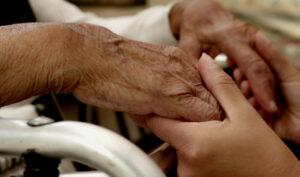
Sources

Explaining The Difference Between Palliative Care and Hospice Care in Westchester

Hospice care vs. palliative care Westchester County: Similar but different

Hospice care and palliative care are two distinct approaches to healthcare, but their similarities and overlap may confuse. This blog aims to explain their differences as well as when combined, the significant impact they may have on the quality of life for patients nearing the end of life.

Hospice Care Westchester NY

The who, what, when & where of hospice care Westchester

Hospice care is a specialized approach to caring for individuals with terminal illnesses, emphasizing comfort and dignity in the final stages of life. It focuses on affirming life and accepting death as a natural part of the life cycle without trying to hasten or delay it. The primary goal of hospice is to enhance the quality of life for patients by providing comprehensive care. Hospice care is available to individuals who have a life-limiting illness and is provided in various settings, including private residences, skilled nursing facilities, and assisted living facilities.

Hospice care is typically recommended when a patient has a prognosis of six months or less, as determined by a physician. It is designed to support patients and assist their family members and caregivers by offering education, respite care, and counseling services. This holistic end-of-life journey is more manageable. Hospice care is covered by Medicare, Medicaid, and most private insurance plans.

Westchester NY hospice care services

Jansen Hospice offers services including, but not limited to:

  • 24-Hour On-Call Services
  • Medical Director Available
  • Skilled Nursing Care
  • Home Health Aides and Social Workers
  • Bereavement and Spiritual Counseling

Palliative care Westchester explained

Palliative care is an approach to healthcare that aims to improve the quality of life for individuals dealing with serious illnesses. Unlike hospice care, which is specifically for patients nearing the end of life, palliative care can be provided at any stage of serious illness, regardless of the prognosis. Its primary purpose is to manage symptoms, relieve pain, and offer holistic support addressing physical, emotional, social, and spiritual needs. Palliative care teams work closely with patients, their families, and other healthcare providers to create personalized care plans that align with the patient’s values and preferences.

While hospice care may include palliative care as a fundamental component, not all palliative care is hospice care. Hospice care is typically reserved for patients with a life expectancy of six months or less, focusing entirely on comfort rather than curative treatments. In contrast, palliative care can be integrated alongside curative treatments at any illness stage. It takes place in various settings, including hospitals, outpatient clinics, nursing homes, and patients’ homes. By addressing the multifaceted needs of patients and their families, palliative care provides essential support, enhancing well-being and quality of life even as patients continue their treatments.

What services are included in palliative care Westchester NY

The following palliative care services are designed to complement healthcare approaches from hospice care to curative treatments:

  • Symptom Management
  • Emotional Support
  • Communication and Coordination
  • Spiritual Care
  • Family Support and Education

Experts in comfort: Jansen Hospice & Palliative Care

Founded in 1984, Jansen Hospice & Palliative Care provides compassionate support for individuals facing terminal illnesses in Westchester and Bronx counties. We are known as one of the foremost hospice programs in Westchester County and are affiliated with NewYork-Presbyterian/Lawrence Hospital. Our interdisciplinary team collaborates closely with patients’ physicians to meet their unique needs, offering personalized care at home or in a supportive care setting. Integrating palliative care within hospice services enables us to provide comprehensive support during this difficult time. Whether for yourself or a loved one, Jansen Hospice & Palliative Care is here with support at every step.

For more information on how palliative care fits within the hospice care approach, call us at (914) 787 6158 or contact us.

Empowering Patients and Supporting Families with Palliative Care Westchester, NY

Finding Comfort with Palliative Care Westchester

For over three decades, Jansen Hospice has been a beacon of compassionate palliative care in Westchester County, New York. Our mission is simple: To ensure every patient facing a serious or life-Hospice and Palliative Care in New York, best hospice care in westchesterthreatening illness receives care that preserves dignity, instills hope, and fosters peace. We understand the challenges of managing physical and emotional needs during such times, which is why our dedicated team is here to provide unwavering support to both patients and their families.


What is Palliative Care?

Palliative care is a specialized healthcare approach aimed at enhancing the quality of life for individuals confronting serious illnesses. Unlike traditional medical care, which primarily focuses on curing diseases or injuries, palliative care prioritizes symptom management, pain relief, and holistic support to promote the overall well-being of the patient. It addresses the physical, emotional, social, and spiritual needs of a patient and their family, offering comprehensive care at any stage of illness.

Palliative care teams collaborate closely with patients, families, and healthcare providers to provide personalized care, facilitate open communication, and empower individuals to make informed decisions aligned with each patient’s values and preferences. This compassionate and holistic approach to healthcare ensures that patients receive the support and comfort they need in their healthcare journey.

Palliative Care Westchester, NY Makes a Difference in Hospice

In a hospice setting, palliative care plays a pivotal role in providing compassionate support and enhancing the quality of life for individuals nearing the end of their lives. Hospice care focuses on ensuring comfort, dignity, and peace for patients with life-limiting illnesses, and palliative care serves as the cornerstone of this approach. Palliative care teams in hospice settings are dedicated to managing symptoms, alleviating pain, and addressing the physical, emotional, social, and spiritual needs of patients and their families.

The difference palliative care can make in a hospice setting is transformative. By prioritizing comfort-focused care and holistic support, palliative allows patients to experience dignity and quality of life in their final days. Symptom management techniques and pain relief interventions provided by palliative care teams help alleviate suffering and enhance overall well-being, allowing patients to spend precious time with loved ones and engage in meaningful activities.

Choosing Jansen Hospice Palliative Care in Westchester

Choosing palliative care at Jansen Hospice means choosing compassionate support that addresses the whole person: body, mind, and spirit. Our dedicated team collaborates with the palliative care team at NewYork-Presbyterian/Westchester Hospital and Lawrence Home Care of Westchester to ensure comprehensive symptom management and holistic care for our patients.

Facing a serious or life-threatening illness, or having a loved on who is, can be overwhelming, but you don’t have to navigate it alone. Jansen Hospice and Palliative Care offers support services tailored to meet your needs, whether you prefer to receive care at home, in a skilled nursing or assisted living facility, or in a contracted hospital. For over 30 years, Jansen has been committed to providing compassionate care and unparalleled services, allowing patients to live out their lives surrounded by loved ones with peace and dignity.

If you’re looking for palliative care in Westchester, NY Jansen Hospice & Palliative Care is here to support you and your family every step of the way. Contact us at (914) 787-6158 or fill out a contact form to learn more about how we can assist you during this challenging time.

Compassionate Palliative Care in Westchester, NY

Jansen Hospice has been committed to providing compassionate palliative care to Westchester County, NY since 1984

Jansen’s top priority is to ensure every patient has dignity, hope, and peace during treatment of their serious and life-threatening illness. It can be difficult to manage your physical, emotional, and spiritual needs during this time. That’s why we’re committed to providing support in these areas for both the patient and their family.

Hospice care vs. Palliative care

Hospice and palliative care both serve to provide comfort, reduce stress, relieve symptoms, and offer emotional support. Patients who receive these services are facing life-threatening illnesses that may or may not be curable.

Palliative care is the overall term for care during a chronic or life-limiting illness. This may be longer term and involve more medical involvement to cure the illness. Hospice care is a type of palliative care that comes towards the end of a patient’s life. This usually happens when the patient is given weeks to months left with no expectation to cure the illness but instead receives pain management care.

Palliative care in Westchester, NY with Jansen

Our Palliative Care is dedicated to caring for the whole person: body, mind, and spirit.

Jansen works with the palliative care team at New York Presbyterian/Lawrence Hospital and the Lawrence Home Care of Westchester staff to support symptom management for patients. Helping family members is an essential part of our mission, and our exceptional staff and professionally trained volunteers are available when needed most.

There are 5 stages of palliative care:

Stage 1: Early Palliative Care

The first stage of palliative care focuses on advance care planning. You will work with a team of medical, guidance, and therapist professionals who will help determine your long-term needs in order to create a treatment plan and overall long-term schedule.

Stage 2: Treatment Palliative Care

After creating your treatment plan, you begin treatment. Treatment looks different with each patient but may include some combination of medications (treatment and pain management), outside exercise, and counseling. It is recommended that your treatment plan exhibits emotional, spiritual, and medical care to ensure you are as holistically supported as possible.

Stage 3: Transition Palliative Care

Transition care is initiated when the illness has progressed and your treatment is no longer effective. Your care transitions to management which means continuing your treatment plan but adding more pain management and emotional support.

Stage 4: End-of-Life Palliative Care

At this point, you have been diagnosed with only a short amount of time left. Your team is now focused on creating a peaceful and comfortable existence so you can enjoy these moments as much as possible. Treatment is no longer an option so symptom management is necessary. Patients will typically return to the comfort of their home to be surrounded by their loved ones.

Stage 5: Bereavement Palliative Care

Bereavement care focuses on supporting your family and friends in coping with their great loss. The goal is to help your loved ones heal without you. This support can happen before, during, and after their loss.

If you’re looking for palliative care in Westchester, NY, Jansen Hospice & Palliative Care wants to help. Call us at (914) 787-6158 for more information.

The Best Home Hospice Care in Westchester NY: Compassionate and Personalized Care at Jansen Hospice

When it comes to end-of-life care for a loved one, you want to ensure they receive the best possible care and support. That’s why Jansen Hospice offers the best home hospice care in Westchester, NY. Our experienced team of professionals provides compassionate and personalized care to help patients and their families navigate this difficult time with dignity, respect, and support.

Why Choose Jansen Hospice for the Best Home Hospice Care in Westchester, NY?

Jansen Hospice focuses on providing you and your loved ones with the support you need. Prioritizing you and your family’s spiritual, medical, and emotional needs, our goal is to provide dignity and hope at the end of your life.

Jansen Hospice will provide you with:Two women talking in a park

  • A personalized care plan for you and your medical, spiritual, and emotional needs.
  • A team of experienced professionals and volunteers to support you in your journey.
  • Support for family members with group therapy, activities, and grief guidance.

To give you a compassionate and comfortable end of life.

Our Hospice Care Services

Jansen Hospice provides inpatient and at-home hospice and palliative care for those who need it.

Our hospice care focuses on support for the highest quality of life at home or in our facilities. We define hospice as a special way of caring that emphasizes comfort and dignity for people coping with terminal illnesses. The hospice philosophy accepts death as the final stage of life; it affirms life but does not try to hasten or postpone death or cure an underlying disease.

Our home hospice care provides:

  • 24-hour on-call services and assistance, so we are always available for our patients and their families
  • Medications for symptom management and pain control
  • Therapies – physical, occupational, and speech therapies, as needed for symptom management
  • Certified home health aides who provide care and assistance with personal needs

Supporting the Westchester County CommunityTwo people holding hands

Jansen Hospice is one of the three agencies that make up the Lawrence Community Health Services (LCHS). We partner with local hospitals, counselors, and community organizations to give our Westchester County community the support and resources they need.

Jansen Hospice and Palliative Care provide services to patients and families throughout Westchester County and the northern Bronx. The main office is located in Scarsdale, NY.

Choose Jansen Hospice for the Best Home Hospice Care Near Westchester, NY

Jansen Hospice’s goal is to make this time of your life easy even when it’s not. We hope to provide you with the support and resources you need in order to feel relaxed for the last bit of your life. If you don’t believe us, take our previous client’s word for it.

This place changed everything for my family. We struggled with caring for my mom at home for 5 years and when they arrived it was like angels singing… Our social worker – Jody and our RN Violeta – made my mom comfortable and cared not only for her, but for our family as if we were their own. They were kind, compassionate and knowledgeable. I HIGHLY recommend them!!! — Jody

Looking for the best home hospice care in Westchester, NY? Call us today!

Understanding the 5 Stages of Palliative Care: A Guide for Patients and Caregivers

When you or a loved one faces a serious illness, the journey ahead can feel overwhelming and uncertain. Palliative care offers a compassionate path forward, focused on improving quality of life and providing support at every stage of your experience. Whether you’ve just received a diagnosis or are navigating advanced illness, understanding the stages of palliative care can help you feel more prepared and supported. At Jansen Hospice, we walk alongside patients and families through each stage, offering expert medical care and emotional support during difficult times.

Explaining Palliative Care in Westchester County

Palliative care is specialized medical care designed to provide relief from the symptoms and stress of serious illness. According to the World Health Organization, palliative care improves the quality of life of patients and their families who are facing challenges associated with life-threatening illness, whether physical, psychological, social, or spiritual.

It’s important to understand that palliative care is not the same as giving up on treatment. The National Institute on Aging explains that palliative care can be provided alongside curative treatment and may begin at the time of diagnosis. This means you can receive palliative care while still pursuing treatments aimed at curing or managing your illness.

At home hospice care in Westchester Ny Jansen HospiceStage 1: Early Palliative Care

The first stage of palliative care begins with comprehensive planning and assessment. This stage can start at any point after a serious illness diagnosis and focuses on understanding your unique needs, values, and goals.

What Happens During This Stage

During your initial consultation, your palliative care team will talk with you about your symptoms, current treatments, and how your illness is affecting your daily life.

Your team will work with you to create a personalized care plan that may include:

  • Pain and symptom management strategies
  • Emotional and spiritual support resources
  • Assistance with advance care planning and advance directives
  • Coordination with your other healthcare providers
  • Education about your illness and treatment options

The National Institute on Aging emphasizes that early palliative care conversations help ensure your care aligns with your wishes and values. This is also when many families discuss important documents like healthcare power of attorney, living wills, and do-not-resuscitate orders.

Stage 2: Treatment Palliative Care

Once your care plan is established, the second stage focuses on implementing that plan and actively managing your symptoms while maintaining the best possible quality of life.

Comprehensive Care Approach

Your palliative care plan will be tailored to your specific needs. Mayo Clinic explains that this stage addresses multiple dimensions of care, including physical comfort, emotional well-being, and spiritual support.

Treatment during this stage typically includes:

  • Medications for pain management and symptom relief
  • Therapies to improve comfort and function
  • Counseling and emotional support for you and your family
  • Spiritual care and guidance if desired
  • Assistance with daily activities and mobility
  • Nutritional support and guidance

The goal is to help you live as fully and comfortably as possible. Research shows that early use of palliative care services can improve quality of life, decrease depression and anxiety, and increase patient and family satisfaction with care.

Stage 3: Transition Palliative Care

As your illness progresses or if new symptoms develop, your palliative care team will adjust your care plan to meet your changing needs. This stage is sometimes called the “unstable” or “deteriorating” phase in medical literature.

Adapting to Changes

Your care team closely monitors your condition and makes modifications as needed. This might mean:

  • Adjusting medication doses or adding new medications
  • Increasing the frequency of visits from healthcare providers
  • Adding new support services or specialists to your care team
  • Modifying your care setting if needed
  • Providing additional support for family caregivers

According to the National Coalition for Hospice and Palliative Care, quality palliative care involves continuous assessment and adjustment to ensure your comfort and dignity are maintained throughout your illness journey.

Many families find that increased emotional and spiritual support becomes especially important during this stage. Your palliative care team is there to help you navigate difficult decisions and provide the resources you need.

Stage 4: End-of-Life Palliative Care

When curative treatments are no longer effective or when you decide to focus solely on comfort, care transitions to the end-of-life phase. This stage is often referred to as hospice care when a physician determines you have six months or less to live if the illness runs its natural course.

Focus on Comfort and Dignity

The National Institute on Aging explains that hospice care focuses on comfort and quality of life rather than cure. The goal is to help you live your remaining time with dignity, surrounded by loved ones, and as comfortable as possible.

Long term hospice care provider in Westchester County, NYDuring this stage, your care includes:
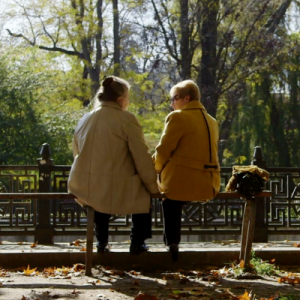
  • Intensive symptom management, especially pain control
  • Emotional and spiritual support for you and your family
  • Assistance with personal care and daily needs
  • Guidance for family members on what to expect
  • Help with end-of-life planning and arrangements
  • Respite care to give family caregivers needed breaks

The World Health Organization emphasizes that palliative care at this stage treats the person, not just the disease, honoring your wishes and helping your family prepare for the loss to come.

Stage 5: Bereavement Palliative Care

Palliative care doesn’t end when a patient passes away. The fifth stage focuses on supporting family members and loved ones as they grieve and adjust to life after loss.

Continuing Care for Your Loved Ones

Bereavement services are an essential part of comprehensive palliative and hospice care. Most hospice programs, including Jansen Hospice, provide grief support services for family members for up to 13 months after a patient’s death.

Bereavement support may include:

  • Individual grief counseling
  • Support groups for bereaved family members
  • Educational materials about the grieving process
  • Memorial services and remembrance events
  • Referrals to community resources and additional support services
  • Check-in calls and supportive contacts throughout the first year

Research published in the National Library of Medicine shows that bereavement support helps families cope with loss and process their grief in healthy ways. We understand that losing someone you love is one of life’s most difficult experiences, and we’re here to support you through it.

Frequently Asked Questions About Palliative Care

When is the right time to start palliative care?

Palliative care can begin at any time after a serious illness diagnosis, and earlier is often better. According to Mayo Clinic, research suggests that early use of palliative care services can improve quality of life, decrease depression and anxiety, and in some cases even extend survival. You don’t need to wait until treatments stop working or until you’re facing end-of-life decisions. Many patients benefit from palliative care while still receiving curative treatments, as it helps manage symptoms and provides additional support throughout the illness journey.

What’s the difference between palliative care and hospice care?

While these terms are sometimes used interchangeably, there are important distinctions. The National Institute on Aging explains that palliative care can be provided at any stage of serious illness and can occur alongside curative treatments. Hospice care, on the other hand, is a type of palliative care specifically for people with a terminal illness who have a life expectancy of six months or less and have chosen to focus on comfort rather than cure. Both approaches emphasize quality of life, symptom management, and support for patients and families, but hospice represents the final stage of the palliative care journey.

Will choosing palliative care mean giving up on treatment?

Absolutely not. This is one of the most common misconceptions about palliative care. The World Health Organization emphasizes that palliative care is appropriate at any stage of serious illness and can be provided alongside curative treatments. You can continue chemotherapy, radiation, dialysis, or other treatments while receiving palliative care services. The palliative care team works with your other doctors to add an extra layer of support that focuses on managing symptoms, reducing stress, and improving your overall quality of life while you pursue whatever treatment approach aligns with your goals and values.

Key Takeaways About the 5 Stages of Palliative Care

  • Palliative care can begin at any stage of serious illness and can be provided alongside curative treatment
  • Stage 1 focuses on comprehensive assessment and creating a personalized care plan aligned with your goals and values
  • Stage 2 involves active symptom management and implementing your care plan to maintain quality of life
  • Stage 3 adapts care as your illness progresses, adjusting treatments and support services to meet changing needs
  • Stage 4 shifts focus to comfort care when curative treatments are no longer effective or desired
  • Stage 5 provides bereavement support to family members and loved ones for up to 13 months after a patient’s passing

How Jansen Hospice Supports You Through Every Stage

At Jansen Hospice, we understand that facing serious illness raises difficult questions and emotions for patients and families. Our compassionate team has walked alongside countless families through every stage of palliative and hospice care, and we’re honored to provide the support and expertise you need during this challenging time.

We believe that everyone deserves to live with dignity, comfort, and meaning, no matter where they are in their illness journey. Our interdisciplinary team includes experienced physicians, nurses, social workers, chaplains, and trained volunteers who work together to address your physical, emotional, social, and spiritual needs.

If you have questions about palliative care or would like to learn more about our services, we’re here to help. Contact Jansen Hospice today to speak with a member of our care team. We’ll listen to your concerns, answer your questions, and help you understand your options—with compassion, respect, and expertise every step of the way.

Sources

National Institute on Aging – What Are Palliative Care and Hospice Care
https://www.nia.nih.gov/health/hospice-and-palliative-care/what-are-palliative-care-and-hospice-care

Mayo Clinic – Palliative Care
https://www.mayoclinic.org/tests-procedures/palliative-care/about/pac-20384637

World Health Organization – Palliative Care
https://www.who.int/news-room/fact-sheets/detail/palliative-care

National Library of Medicine (StatPearls) – Palliative Care
https://www.ncbi.nlm.nih.gov/books/NBK537113/

National Coalition for Hospice and Palliative Care – Clinical Practice Guidelines
https://www.nationalcoalitionhpc.org/ncp-guidelines/

Understanding End-of-Life Care: A Guide for Families in Westchester County

End-of-life care is a crucial service that offers comfort and support to individuals in the final stages of their lives. In Westchester County, families can access various types of end-of-life care services, including palliative care, hospice care, and home-based care. In this guide, we’ll explore what end-of-life care is, the different types of care available, and how families can approach this stage of life with empathy and understanding.

What is End-of-Life Care?Women holding an elderly person's hand

End-of-life care is a specialized type of medical care that focuses on enhancing the quality of life for individuals in the final stages of their lives. It aims to provide comfort, dignity, and respect for the individual while also supporting their family and loved ones. End-of-life care can be provided in various settings, including hospice centers, hospitals, and the individual’s own home.

Types of End-of-Life Care

Jansen offers various types of end-of-life care to cater to the needs and preferences of individuals and families in Westchester County. Some of the most common types of end-of-life care include:

  • Palliative care: This type of care focuses on managing symptoms and providing comfort to individuals with a serious illness, regardless of the stage of the illness. It can be provided in different settings, including hospitals and hospice centers.
  • Hospice care: Hospice care aims to provide comfort and support to individuals in the final stages of their lives. It is typically provided in a hospice center or the individual’s own home.
  • Home-based care: This type of care is provided in the individual’s own home and can be tailored to their specific needs and preferences. It can include a range of services, such as nursing care, personal care, and emotional support.

Approaching End-of-Life CareWoman smiling at the camera at Westchester Hospice

Approaching end-of-life care can be challenging for families, but it’s important to approach it with empathy and understanding. Here are some tips to keep in mind:

  • Start the conversation early: It’s important to have open and honest conversations with your loved ones about their end-of-life wishes. Starting the conversation early can help ensure that their wishes are respected.
  • Be an active participant: As a family member, you can play an important role in your loved one’s end-of-life care. This can include advocating for their needs and communicating with the healthcare team.
  • Seek support: End-of-life care can be emotionally challenging, and it’s important to seek support for yourself and your loved ones. This can include talking to a counselor or joining a support group.

Why choose Jansen Hospice for end-of-life care?

We know this is a hard time, but you are not alone. See what past clients have said about Jansen Hospice.

“This place and the workers are truly a blessing. I can never repay them for the help and support that they gave me with my mom. While no other company wanted to take my moms case they were the only ones willing to take it. They stood by me thru all the trials and tribulations and I could’ve never done that transition without them eternally grateful.” -Anasia

“This place changed everything for my family. We struggled with caring for my mom at home for 5 years and when they arrived it was like angels singing… Our social worker – Jody and our RN Violeta – made my mom comfortable and cared not only for her, but for our family as if we were their own. They were kind, compassionate and knowledgeable. I HIGHLY recommend them!!!” -Jody

End-of-life care is a vital service that can provide comfort and support to individuals in their final stages of life. By understanding the different types of care available and approaching it with empathy and understanding, families in Westchester County can ensure that their loved ones receive the care and respect they deserve.

Interested in learning more about end-of-life care in Westchester NY?

Home Hospice Care Southern Westchester

Finding hospice care at home, in the Southern Westchester, NY area, doesn’t have to be difficult. With Jansen Hospice and Palliative Care, you can find professional, caring, and understanding experts to keep you and your loved one’s life well lived.

Southern Westchester Hospice Care At Home

Hospice is unique medical care that puts an emphasis on comfort and dignity. For people coping with terminal illnesses, the hospice care philosophy works to accept death as part of our final states in life. Hospice care is sure not to hasten or postpone death, nor cure any disease making us ill.

At Jansen, we too focus on supporting the highest quality of life for whatever remaining time an individual may have, at home or at a facility. Whether you have a private residence, live in a skilled nursing facility, or an assisted living facility, Jansen can provide services to help you or your loved one.

Hospice can provide palliative care for patients. This can help manage patient symptoms to reduce suffering or pain, assist in emotional needs, and provide overall comfort for an enhanced quality of life.

Home Hospice Care Serving Southern Westchester County

Jansen has served Westchester communities since 1984. Jansen is also affiliated with New York-Presbyterian/Lawrence Hospital. Through this affiliation, we have access to superb resources for end-of-life care.

Services Provided For Home Hospice In Southern Westchester

Many hospice care organizations focus on providing care in assisted living facilities, nursing facilities, and more. At Jansen Hospice & Palliative Care, we also provide facilities hospice care but additionally offer hospice care in your home.

Home care is something Jansen Hospice & Palliative Care works to provide for all of its patients.

The services listed below are offered: in the patient’s own home, within skilled nursing in an assisted living facility, or in a local New York Presbyterian contracted hospital.

Services can include:

  • On-call 24-hour services and assistance: This is so we are always available for our patients and their families at any time
  • A medical director who is responsible for overall medical care and planning. There is an emphasis on symptom control and pain management.
  • Skilled nursing care and visits from a registered nurse. They may formulate the hospice care plan, in communication with the patient’s physician. This is including arrangements for medications, supplies, equipment, and additional services as needed.
  • Certified home health aides who can provide care and assistance with personal needs.
  • Certified social workers who can assist with resource and care planning, in addition to providing emotional support.
  • Offering spiritual counseling for all faith communities.
  • Offering bereavement counseling/services including individual and group support systems.
  • Specially trained volunteers who can provide companionship and assistance with daily living, friendly support, and respite care for caregivers.
  • Medications for symptom management and pain control for patients.
  • Providing medical supplies and equipment, as needed.
  • Providing therapies such as physical, occupational, and speech therapies, as needed, for symptom management.
  • Providing short-term inpatient and respite care for up to five days at contracted facilities.
  • Offering nutritional counseling for our patients.
  • Complementary care

Making Plans For Home Hospice in Southern Westchester

When either you or your loved one is facing the challenges of a life-threatening illness with a limited prognosis, call Jansen. The sooner you call, the greater the benefit to the patient and their family. Each Jansen patient and family become the focus of the hospice team who work together to meet the patient’s unique needs by developing an individualized, comprehensive plan of care.

To learn more about how our at-home hospice care providers in Southern Westchester can help your loved one in their final stage of life call 914-787-6158.

What To Know About Hospice and Palliative Care in Bronxville, NY

Understanding how to find the right help for you or your loved one in the last stages of life is vital to ensure health and comfort. There are a few options in New York, like Hospice and Palliative Care, to help assist anyone with their immediate health care needs.

New York Hospice Care

Hospice and Palliative Care in Bronxville, NY

Hospice is a special way of caring that emphasizes comfort and dignity for people coping with terminal illnesses.

Hospice provides palliative care for patients to manage their symptoms, thereby reducing suffering and pain, managing emotional needs, and providing comfort to enhance the quality of life.

Hospice care not only supports patients who have a life-limiting illness but also provides assistance to family members and caregivers. Caring for a loved one on hospice can be an incredible honor and joy, and can also be very challenging. To ease the burden, hospice offers support, education, respite care, and counseling to reduce stress and anxiety.

At Jansen, you and your loved one will be treated as part of our family. We’re here to support you in whatever way we can and make this transition as smooth as possible. We are ready to answer any of your questions and meet your medical and emotional needs in the process.

Why choose Jansen for your Hospice and Palliative Care in Bronxville, NY?

Jansen works with the palliative care team at New York-Presbyterian/Lawrence Hospital and the Lawrence Home Care of Westchester staff to support symptom management for patients.

Palliative Care is provided for anyone living with a serious illness and provides specific/personalized medical care based on your sickness. At Jansen Hospice and Palliative Care, our services focus on the mind, body, and spirit for all of our care.

Beliefs For Hospice and Palliative Care in Bronxville, NY

At Jansen, we believe life should not be defined by illness. We make sure each patient lives life to the fullest until the very end. To make this possible we use an interdisciplinary approach to hospice care and customize programs for our patients to meet their unique medical, physical, emotional, spiritual, and cultural needs.

Each Jansen patient becomes the focus of a dedicated hospice “team” – the patient’s physician, our medical director, our nurses, social workers, home health aides, clergy, bereavement specialists, therapists, and volunteers – who all work together to ensure coordination of services and continuity of care during the final stages of life.

Serving Hospice and Palliative Care in Bronxville, NY Since 1984

Anyone can make a referral to Jansen Hospice and Palliative Care:

  • Physicians
  • Family members
  • Friends
  • Clergy members

Jansen Hospice and Palliative Care serve Westchester County and The Bronx, New York.

Who is eligible for Hospice and Palliative Care Services in Bronxville, NY from Jansen?

Jansen serves people living in Westchester County or The Bronx who are faced with an advanced illness with a limited prognosis such as cancer, AIDS, neurological diseases, cardiac diseases, and pulmonary diseases.

Please call us to discuss your needs at (914) 787-6158.

What is Palliative Care in Bronxville, NY?

At Jansen, we pride ourselves on offering a range of services to fit your loved one’s stage in life. Whether that be hospice or palliative care, we’re here for you and your family through the process.

Palliative Care in Bronxville, NY Broken Down:

Palliative care focuses on proving relief from the symptoms and stress of an illness. The main goal is to provide support for the patient and family along with curative treatment if indicated necessary by the patient’s physician. This is not considered end-of-life care, like hospice, but rather care that helps the patient through the illness.

What is the difference between hospice and palliative care in Bronxville, NY?Palliative and Hospice Care

Palliative care can begin at the diagnosis and coincide with treatment, while hospice care begins after the treatments and once it is clear that the patient is not going to survive the illness. For example, if a patient is suffering from a curable illness and is going through treatment for it, they’ll need some extra help and care in their everyday lives, not to mention support from all sides. This support is also extended to the family, as illness affects everyone involved. Physical, emotional, and spiritual support is largely needed during these times and the experienced staff at Jansen is here to help wherever they can.

Why you should choose Jansen for your palliative care needs:

“This place changed everything for my family. We struggled with caring for my mom at home for 5 years and when they arrived it was like angels singing… Our social worker – Jody and our RN Violeta – made my mom comfortable and cared not only for her, but for our family as if we were their own. They were kind, compassionate and knowledgeable. I HIGHLY recommend them!!!”

To learn more about how our palliative care providers can help your loved one in their final stage of life call 914-787-6158.

This place changed everything for my family. We struggled with caring for my mom at home for 5 years and when they arrived it was like angels singing... Our social worker - Jody and our RN Violeta - made my mom comfortable and cared not only for her, but for our family as if we were their own. They were kind, compassionate and knowledgeable. I HIGHLY recommend them!!!

— Jody