The May Benefit Is On May 16th. Click To Purchase Tickets

10 Signs It May Be Time for Hospice Care in Westchester County

10 Signs It May Be Time for Hospice Care in Westchester County

Recognizing when hospice care is the right choice can be one of the hardest decisions a family faces. These 10 signs can help Westchester County families understand when comfort-focused care may be the most compassionate path forward for a loved one with a serious illness.

According to the National Hospice and Palliative Care Organization, many families who have used hospice services report wishing their loved one had enrolled sooner. Hospice is not about giving up. It is about making sure the time that remains is as comfortable, supported, and meaningful as possible.

End of Life CareWhat Is Hospice Care and Who Is It For?

Hospice is a Medicare-covered benefit available to patients with a terminal illness whose physician certifies that, if the illness follows its expected course, the prognosis may be six months or less. That six-month guideline isnot a deadline. Patients who continue to meet eligibility criteria can receive long-term hospice care for as long as they remain eligible, with eligibility reviewed at regular intervals.

Hospice care can be provided wherever a patient lives, including private homes, skilled nursing facilities, assisted living communities, and contracted hospital settings. The majority of patients receiving at-home hospice in Westchester County remain in the environment where they feel most comfortable.

10 Signs It May Be Time to Consider Private Hospice in Westchester County

1. A Physician Has Given a Terminal Diagnosis with a Six-Month Prognosis

A physician-certified prognosis of six months or less is the primary eligibility requirement for hospice under Medicare. This does not mean your loved one will pass within six months. It means the illness, if it follows its expected course, may result in that outcome. Many patients receive long-term hospice care for considerably longer when they continue to meet eligibility criteria.

2. Hospitalizations or Emergency Room Visits Are Becoming More Frequent

When a loved one is visiting the emergency room or being admitted to the hospital more than once within a 30 to 90 day window, it is often a sign that the illness is progressing faster than outpatient care can address. Hospice brings skilled nursing, symptom management, and medical support directly to the patient at home, which can reduce the need for those repeated crisis visits.

3. Treatment Has Stopped Working or the Patient Has Chosen to Stop Treatment

When a care team has exhausted curative options, or when a patient has made the personal choice to stop treatment and focus on quality of life, hospice becomes the appropriate next step.

4. Significant, Unexplained Weight Loss

Rapid weight loss that cannot be explained by a change in diet is a recognized clinical indicator of disease progression. For patients with cancer, heart failure, dementia, COPD, or other serious illnesses, this type of decline often signals that the body is no longer processing nutrition effectively. A hospice physician and nurse can help families understand what this means and how to keep a loved one as comfortable as possible.

5. Pain or Symptoms Are Increasing and Harder to Control

Escalating pain, breathlessness, nausea, or other symptoms that are becoming harder to manage through routine medical care are a clear signal that a different level of support is needed. Hospice teams specialize in palliative symptom management, meaning they are trained specifically to address the physical discomfort that comes with serious illness, not just the underlying diagnosis.

6. A Rapid Decline in the Ability to Handle Daily Activities

When a loved one can no longer bathe, dress, eat, or move through the home without significant help, and that decline has happened over a relatively short period of time, it is worth having an honest conversation about hospice. A rapid loss of functional ability is one of the clearest clinical markers of an illness in its advanced stages.

End of Life Care7. The Patient Has Said They Want Comfort, Not More Treatment

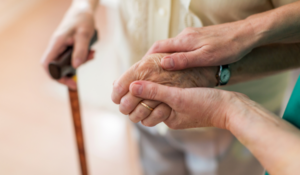
Patients have the right to make their own care decisions, and many do. When a loved one has clearly and consistently expressed that they do not want more procedures, more hospitalizations, or more time away from home, honoring that wish often means choosing hospice. Hospice philosophy of care is built entirely around the patient’s goals, values, and definition of a meaningful life.

8. A Doctor or Specialist Has Mentioned Hospice

When a physician brings up hospice, it is worth listening carefully. Care teams often raise the topic later than they should, out of concern for how the family will respond. If anyone on your loved one’s care team has mentioned hospice even once, it is a meaningful clinical signal. It is also important to know that anyone can make a hospice referral, including the patient or a family member, without waiting for a physician to initiate it.

9. The Family Caregiver Is Exhausted or No Longer Able to Safely Provide Care

Caregiver burnout is a medical reality. When the person providing day-to-day care at home is physically depleted, emotionally strained, or no longer able to manage a loved one’s needs safely, it affects the quality of care for both of them. Hospice provides nursing visits, aide services, social work, chaplaincy, and family support designed to give caregivers meaningful relief while keeping the patient at home.

10. Life Has Become Defined by Crisis Management Rather Than Connection

When a family’s days are consumed entirely by medical appointments, medication management, emergency calls, and care coordination, it often means the illness has advanced to a point where a dedicated support team is needed. When the care team takes on the medical complexity, families can simply be present.

Talk to a Hospice Care Provider Serving Westchester County

Jansen Hospice and Palliative Care has been a trusted part of the Westchester County community for over 40 years. If you have questions about whether hospice is the right choice for your family, our team is here to help you think it through honestly and without pressure.

Reach out to our team whenever you are ready to start a conversation about hospice care in Westchester.

Key Takeaways

  • Hospice is a Medicare-covered benefit for patients with a terminal illness and a physician-certified prognosis of six months or less.
  • A six-month prognosis is not a deadline. Patients who continue to meet eligibility criteria can receive long-term hospice care for as long as they remain eligible.
  • Hospice care is available wherever a patient lives, including at home, in assisted living, in skilled nursing facilities, and in hospital settings.
  • Anyone, including the patient or a family member, can request a hospice referral. You do not need to wait for a physician to bring it up.

Frequently Asked Questions About Hospice Care in Westchester County

How do I know if my loved one qualifies for private hospice in Westchester County?

Your loved one may qualify for hospice if their physician certifies that the illness, if it follows its expected course, may result in a prognosis of six months or less. According to Medicare.gov, the patient must also agree to receive comfort-focused care rather than treatment aimed at curing the illness. A hospice provider can conduct a free eligibility consultation to help you understand whether your loved one meets the criteria without any commitment required.

What does hospice philosophy of care mean in practice?

Hospice philosophy of care means the entire care plan is organized around the patient’s comfort, dignity, and personal goals rather than curative treatment. According to the National Hospice and Palliative Care Organization, this includes pain and symptom management, emotional and spiritual support for the patient, and comprehensive care for the family as a unit. It is a patient-directed approach that treats quality of life as the central measure of good care.

Can my loved one receive long-term hospice care if they live longer than expected?

Yes. Hospice is not limited to a fixed period of time. According to Medicare.gov, a patient can continue receiving hospice benefits as long as their physician certifies that they continue to meet eligibility criteria. Eligibility is reviewed at regular intervals, but there is no penalty for remaining on hospice for an extended period, and patients who improve can transition off hospice and return to curative care if they choose.

Who can make a hospice referral?

Anyone can initiate a hospice referral, including the patient, a family member, a primary care physician, a specialist, a hospital social worker, or a nurse. According to the National Hospice and Palliative Care Organization, families do not need to wait for a physician to suggest it. If you believe your loved one may be ready for hospice, you can contact a provider directly and they will guide you through the next steps.

Sources


The Compassionate Team Behind Every Patient at Jansen Hospice

At Jansen Hospice and Palliative Care, your family is surrounded by an entire team of dedicated professionals and compassionate volunteers, each playing a unique and essential role. Whether your loved one is receiving the best in-home hospice care Westchester County has to offer, or being cared for in one of the hospice facilities Westchester NY families rely on, our team travels to where your loved one is. For over 35 years, our interdisciplinary care team has been the backbone of everything we do. Here is what each member of your hospice care team does, and why their work matters so deeply.

The Philosophy of Hospice Care, Why the Team Approach Matters

No single person can meet all the needs that arise at the end of life. Hospice care recognizes this, and it is built on an interdisciplinary model. That means a group of specialists work together around the patient and family, each bringing a different kind ofexpertise. Together, they create a circle of support that addresses medical, emotional, social, and spiritual needs all at once.

According to the National Hospice and Palliative Care Organization (NHPCO), the interdisciplinary team is central to the hospice philosophy and is required under the Medicare Hospice Benefit. That means from day one, you are not navigating this alone.

Your Jansen Hospice Care Team and What They Do

Here is a closer look at each member of the Jansen hospice team, the role they play, and the difference they make for patients and families in Westchester and the surrounding area.

Team Member Primary Role Who They Support
Hospice Nurse (RN) Pain and symptom management, care coordination Patient and family
Home Health Aide Personal care, daily comfort, dignity Patient
Medical Social Worker Emotional support, resources, family guidance Patient and family
Chaplain Spiritual and existential care Patient and family
Volunteer Companionship, respite, practical support Patient and family


Hospice Nurses

The hospice nurse is often the person families connect with most frequently. Registered nurses (RNs) visit the patient at home, in a skilled nursing facility, or in a contracted hospital setting to monitor symptoms, manage pain, and adjust the care plan as needs change. They are also a steady point of contact when you have questions, and they are available around the clock for urgent concerns.

Hospice nurses do not just manage medications. They listen. They explain. They help families understand what is happening and what to expect. That kind of clear, compassionate communication makes an enormous difference during a deeply uncertain time.

Home Health Aides

Home health aides provide hands-on personal care that helps maintain dignity and comfort throughout the course of illness. They assist with bathing, grooming, dressing, and other daily needs that may become difficult as a condition progresses. Their work is intimate and deeply respectful, and for many patients, these regular visits become something they genuinely look forward to.

Aides also serve as an important set of eyes for the clinical team, noting any changes in a patient’s condition that should be addressed promptly. Their daily presence keeps care consistent and connected.

Medical Social Workers

A hospice social worker supports the emotional and practical needs of the entire family, not just the patient. They help families navigate difficult decisions, connect with community resources, work through financial concerns, and process the complex emotions that come with end-of-life care. Their role is both practical and deeply human.

Social workers are also skilled in family dynamics. When communication is strained or a family is facing disagreements about care, a social worker can serve as a thoughtful and compassionate guide. They are trained to hold space for grief without trying to rush it or fix it.

Chaplains and Spiritual Care Counselors

Spiritual care is not about religion, although it certainly can be. At Jansen, our chaplains support patients and families of all faiths, backgrounds, and belief systems, including those with no religious affiliation at all. Their role is to explore what brings meaning, comfort, and peace to each individual, whether that is prayer, music, storytelling, nature, or simply quiet companionship.

The Hospice Foundation of America notes that spiritual wellbeing is a core component of quality end-of-life care. Chaplains help people feel seen, heard, and at peace during a time that can feel isolating and overwhelming.

Volunteers

Volunteers are the heart of the hospice community. Jansen’s volunteers offer their time and presence in ways that can be quietly life-changing. They may sit with a patient so a caregiver can rest, read aloud, run errands, share a conversation, or simply be present. Their gift is time, and at the end of life, time is everything.

The Centers for Medicare and Medicaid Services (CMS) requires that volunteers make up at least 5 percent of patient care hours for all Medicare-certified hospice programs. That is not just a regulation. It is a recognition of how meaningful volunteer support truly is.


How Your Team Works Together for Long-Term Hospice Care

The Jansen hospice team meets regularly to review each patient’s plan of care. These interdisciplinary team meetings ensure that everyone is aligned and that nothing falls through the cracks. If a patient’s pain increases, the nurse updates the team. If a family is struggling emotionally, the social worker steps in. If a patient expresses a spiritual concern, the chaplain responds promptly.

This coordinated approach is especially important in long-term hospice care, where needs evolve gradually over weeks or months and the team must adapt alongside the patient and family. Everyone is always working toward the same goal: comfort, dignity, and the best possible quality of life for the time that remains.

Integrative Therapies for Westchester County Families

Jansen goes beyond the standard hospice model by offering a rich range of integrative therapies designed to increase a patient’s sense of peace and well-being. These include music relaxation, acupuncture, aromatherapy, art therapy, massage therapy, pet therapy, reflexology, Reiki, and therapeutic touch.

These therapies are offered alongside traditional medical care and can be tailored to what feels right for each patient and family. For many of the families we serve in Westchester and beyond, these offerings become among the most treasured parts of their experience with Jansen.

At home hospice care in Westchester Ny Jansen Hospice

Ready to Meet the Jansen Team? We Are Here for You.

You do not have to figure this out alone. The team at Jansen Hospice and Palliative Care has been walking alongside families across Westchester for over 35 years. We welcome your questions, your concerns, and your family, exactly as you are.

Contact Jansen Hospice to speak with someone today, or learn more about our hospice care services and what to expect when care begins.

Key Takeaways

  • Hospice care is delivered by an interdisciplinary team, not a single provider.
  • The Jansen team includes nurses, home health aides, social workers, chaplains, and volunteers.
  • Each team member addresses a different dimension of care: medical, physical, emotional, social, and spiritual.
  • Regular team meetings keep care coordinated and responsive to each patient’s changing needs.
  • Jansen also offers integrative therapies as an added layer of comfort and well-being.

Frequently Asked Questions

How often will a hospice nurse visit my loved one?

Visit frequency depends on the patient’s level of care and individual needs. For routine home hospice, nurses typically visit several times per week and are available by phone 24 hours a day, 7 days a week. According to Medicare.gov, the Medicare Hospice Benefit covers all nursing visits related to the hospice diagnosis, and visit frequency is determined by the patient’s individualized plan of care.

Is spiritual care available if we are not religious?

Yes, absolutely. Hospice chaplains support patients and families of all backgrounds, including those with no religious affiliation. Spiritual care at the end of life is about meaning, connection, and peace, not doctrine or belief. The  Hospice Foundation of America emphasizes that spiritual support is a universal component of quality end-of-life care and is available to every patient regardless of faith tradition.

What can a hospice volunteer actually do for our family?

Hospice volunteers offer companionship, caregiver respite, help with errands, and a compassionate presence that many families describe as deeply meaningful. Their support is flexible and shaped around what each family actually needs. The National Hospice and Palliative Care Organization (NHPCO) recognizes volunteers as an essential and required component of the hospice care team under the Medicare Hospice Benefit.

Sources

What Is Integrative Hospice Care and Why Does It Matter?

When a loved one enters hospice, families often focus on what medical care will look like. But the best hospice experience goes far beyond medication and clinical visits. Integrative hospice care combines traditional medical support with therapies that address the whole person, including their physical comfort, emotional wellbeing, and spiritual needs. At Jansen Hospice, this whole-person approach has been at the heart of our care for over 35 years.

What Is Integrative Hospice Care?

Integrative hospice care is an approach that weaves complementary therapies alongside conventional medical treatment to provide comfort, dignity, and quality of life at the end of life. Rather than focusing solely on managing symptoms with medication, integrative care recognizes that a person’s emotional state, spiritual wellbeing, and sense of connection are just as important as their physical comfort.

According to the National Institutes of Health, complementary therapies used alongside conventional care can meaningfully improve quality of life for patients with serious illness. These therapies are not replacements for medical treatment. They work together with it to provide a fuller, more human experience of care.

Why Integrative Care Matters at the End of Life

For patients receiving in home hospice care in Westchester County or inpatient care, the final chapter of life deserves more than pain management alone. Here is why that matters. Research published in PMC by the National Institutes of Health reviewed 23 studies across eight countries and found that complementary therapies including music, biofield therapies, and therapeutic touch produced significant improvements in physical symptoms such as pain, fatigue, and agitation, as well as psychosocial and spiritual outcomes including anxiety, depression, and quality of life. These are not small or incidental benefits. They are meaningful improvements in how patients experience their final days.

The Therapies That Make a Difference

Music and Acoustic Relaxation

Music therapy is one of the most well-studied complementary approaches in hospice and palliative care. According to PMC research published through the National Institutes of Health, studies have found significant positive effects of music therapy on pain, physical comfort, fatigue, anxiety, mood, spirituality, and quality of life in hospice patients. Music can reach patients who are no longer able to communicate verbally, and it supports families as much as it does patients.

A more recent study from the Mayo Clinic, published in 2025, found that music therapy reduced symptom burden and enhanced quality of life for hospice patients, with all participants endorsing satisfaction with the therapy and describing it as particularly beneficial for stress relief, relaxation, spiritual support, and emotional wellbeing.

Aromatherapy

Aromatherapy uses plant-derived essential oils to support emotional and physical wellbeing. According to the National Cancer Institute, aromatherapy has been shown to help improve physical, emotional, and spiritual wellbeing for critically ill patients. Because the sense of smell is closely linked to memory and emotion, certain scents can evoke comfort, calm agitation, and help patients feel more at ease in their environment.

Pet Therapy

There is something uniquely comforting about the presence of an animal. Studies reviewed by the National Institutes of Health have shown significant health benefits of animal-assisted visits in patient care settings, including reductions in anxiety, loneliness, and depression. For patients with memory disorders in particular, pet therapy can generate positive emotional responses that other therapies cannot always reach.

Integrative Care for the Whole Family

Integrative therapies benefit caregivers and loved ones too. Grief, anticipatory loss, and caregiver stress are real and significant. Music therapy sessions frequently take place with family present. According to research cited by the National Institutes of Health, evidence confirms that music-based interventions reduce caregiver stress and anxiety both before and after bereavement.

As a hospice provider in Westchester NY, Jansen Hospice offers all of these integrative therapies as part of our commitment to whole-person care. Whether your loved one is receiving long term hospice support at home or in a facility, these services are woven into the care plan from the very beginning.

Key Takeaways

hospice nurse

  • Integrative hospice care combines conventional medical treatment with complementary therapies to support the whole person, including physical, emotional, and spiritual needs.
  • Music therapy, aromatherapy, and pet therapy are among the most researched and widely used integrative therapies in hospice care.
  • Research consistently shows that these therapies reduce pain, anxiety, and depression while improving quality of life for hospice patients.
  • Integrative therapies benefit not just patients but also family caregivers, reducing stress and supporting the bereavement process.

Frequently Asked Questions About Integrative Hospice Care

What is inpatient hospice and does it include integrative therapies?

Inpatient hospice refers to hospice care provided in a hospital, skilled nursing facility, or dedicated inpatient hospice setting rather than at home. According to the Centers for Medicare and Medicaid Services, inpatient hospice care is available when a patient’s symptoms cannot be managed effectively at home and requires a higher level of clinical oversight. Integrative therapies like music and aromatherapy can be offered in inpatient settings just as they are in home-based care.

How long can a patient receive hospice care?

Hospice care is not limited to a fixed period of time. According to the National Hospice and Palliative Care Organization, patients may receive hospice care for as long as a physician certifies that their illness is life-limiting and the patient continues to meet eligibility criteria. Long term hospice care is available for patients whose conditions progress slowly, and care plans are regularly reviewed and updated to reflect changing needs.

What makes Jansen Hospice different from other hospice providers in Westchester?

Jansen Hospice has been serving families in Westchester County for over 35 years, providing exceptional care in the home, in skilled nursing and assisted living facilities, and in partnership with NewYork-Presbyterian. Our integrative therapy program, which includes music relaxation, acupuncture, aromatherapy, art therapy, massage, pet therapy, reflexology, and therapeutic touch, reflects our belief that comfort and dignity at the end of life require more than medical care alone.

You Do Not Have to Navigate This Alone.

Choosing a hospice provider in Westchester NY is one of the most important decisions a family can make. At Jansen Hospice, we are here to walk alongside you every step of the way, with compassionate clinical care and integrative therapies that honor your loved one as a whole person.

Reach out to us to learn more about our Westchester hospice care services or to speak with a member of our care team.

Sources

Home vs. Westchester Hospice Care: What Is the Right Fit for Your Family?

One of the most important decisions a family faces when a loved one enters hospice is where that care will take place. For many people, the idea of hospice brings to mind a facility or a hospital setting, but the reality is that most hospice care happens right at home. Understanding the difference between in home hospice care and inpatient hospice, and knowing when each is appropriate, can help your family make a decision that honors your loved one’s wishes and meets their medical needs.

Hospice Is Not a Place. It Is a Philosophy of Care.

This is one of the most common misconceptions we encounter. Hospice is not a building you go to. It is a comprehensive, comfort-focused approach to hospice care that follows the patient wherever they are. According to the Centers for Medicare and Medicaid Services, the Medicare hospice benefit provides four distinct levels of care, each designed to meet a patient’s changing needs over time. Those levels are routine home care, continuous home care, inpatient respite care, and general inpatient care.

Understanding these levels helps families see that hospice is flexible. It can begin at home and shift to a facility setting if symptoms require more intensive management, and it can return home again once those symptoms are stabilized.

What Is In Home Hospice Care?

In home hospice care in Westchester County is the most common and most preferred setting for hospice patients. According to the National Hospice and Palliative Care Organization, the majority of hospice care in the United States is delivered in the home, whether that is a private residence, an assisted living facility, or a skilled nursing facility. Wherever a patient calls home, the hospice team comes to them.

In a home setting, a dedicated care team including nurses, social workers, chaplains, home health aides, and volunteers provides regular visits, around-the-clock on-call support, and care coordination. Medical equipment and supplies are delivered directly to the home. Pain and symptom management are handled by the hospice team in partnership with the patient’s physician, so families are never navigating these challenges alone.

What Is Inpatient Hospice?

Inpatient hospice refers to hospice care provided in a licensed medical facility, which may be a hospital, a skilled nursing facility, or a dedicated inpatient hospice unit. According to the Centers for Medicare and Medicaid Services, general inpatient hospice care is appropriate when a patient’s pain or symptoms cannot be managed effectively in a home setting, even with continuous nursing support.

It is important to understand that inpatient hospice is typically a short-term level of care. The goal is to stabilize the patient’s symptoms so they can return home for ongoing routine hospice care. That said, for some patients and families, an inpatient or facility-based setting becomes the most appropriate long term hospice environment depending on their medical complexity, available caregiver support, and personal preferences.

Research published in PMC by the National Institutes of Health found that families of patients who received hospice care in an inpatient setting reported high satisfaction scores, reflecting that the right setting, whatever it may be, can support both patients and families meaningfully.

How to Know Which Setting Is Right for Your Family

There is no single correct answer. The right setting depends on a combination of medical, practical, and personal factors. Here are some of the most important considerations.

Medical Needs and Symptom Complexity

If your loved one’s pain or symptoms are well managed and stable, in home hospice care is almost always an appropriate and comfortable option. If symptoms become difficult to control at home, even with continuous nursing visits, a transition to inpatient care may be the most compassionate choice. According to PMC research published through the National Institutes of Health, transitions from home to inpatient hospice are often triggered by new or escalating symptoms that require around-the-clock clinical management.

Caregiver Availability and Support

Home hospice care relies on the presence of a caregiver, whether a family member, partner, or hired aide, to support the patient between hospice team visits. If a primary caregiver is not available or becomes overwhelmed, the hospice team can arrange for inpatient respite care, which allows the caregiver to rest for up to five consecutive days while the patient receives care in a facility. This is a meaningful option for families navigating caregiver exhaustion.

The Patient’s Own Wishes

Wherever possible, the patient’s preferences should guide this decision. Many people have a strong desire to remain at home among familiar surroundings, routines, and the people they love. For others, knowing that clinical support is immediately available around the clock in a facility setting brings genuine peace of mind. Both are valid and deeply personal choices.

Key Takeaways

New York Hospice Care

  • Hospice is a philosophy of care, not a physical place. It can be delivered at home, in a facility, or in a skilled nursing setting.
  • In home hospice care in Westchester County is the most common and most preferred setting for hospice patients.
  • What is inpatient hospice? It is a facility-based level of care used when symptoms cannot be managed at home, often as a short-term measure before returning home.
  • The right setting depends on medical complexity, caregiver availability, and the patient’s own wishes.
  • Inpatient respite care is available to give family caregivers a period of rest without disrupting the patient’s overall care plan.
  • Long term hospice care is available for patients whose illness progresses slowly, and the appropriate setting may change over time.

Frequently Asked Questions

What is inpatient hospice used for?

Inpatient hospice is used when a patient’s pain or symptoms cannot be controlled in a home setting even with continuous nursing care. According to the Centers for Medicare and Medicaid Services, general inpatient care is one of the four levels of the Medicare hospice benefit and is intended to stabilize a patient’s condition so they can return home as soon as possible.

Can a hospice patient move between home and inpatient care?

Yes, and this is very common. According to PMC research published through the National Institutes of Health, transitions between home and inpatient hospice care are a normal part of the hospice journey and are driven by changes in the patient’s clinical needs. The hospice team coordinates these transitions to make them as smooth and seamless as possible for patients and families.

How long can someone stay on hospice?

There is no fixed limit on how long a patient can receive hospice care. According to the National Hospice and Palliative Care Organization, hospice eligibility is based on a physician’s certification that the patient’s illness is life-limiting, and that certification can be renewed as long as the patient continues to meet eligibility criteria. Long term hospice care is available for patients with slowly progressing conditions.

Does Jansen Hospice offer both home and facility-based care in Westchester?

Yes. As a hospice provider in Westchester NY, Jansen Hospice provides hospice care across all settings, including private homes, assisted living facilities, skilled nursing facilities, and in partnership with NewYork-Presbyterian. Our team works closely with each family to identify the most appropriate level and setting of care for their loved one at every stage of the journey.

We Are Here to Help You Find the Right Fit.

Choosing between home and facility hospice care is a deeply personal decision, and there is no single right answer. At Jansen Hospice, our team takes the time to understand your loved one’s needs, your family’s situation, and your collective wishes so we can guide you toward the setting that will provide the most comfort, dignity, and peace.

Contact us to speak with a member of our care team and learn more about in home hospice care in Westchester County and all the options available to your family.

Sources

Hospice Care vs. Palliative Care: What Westchester Families Need to Know

When someone you love is facing a serious illness, the amount of information coming at you can feel like too much all at once. You may have heard the words hospice or palliative care and wondered whether they mean the same thing, or which one applies to your family right now.

Both hospice and palliative care exist for the same reason: to make sure that people living with serious illness are surrounded by comfort, dignity, and genuine human support. Both involve teams of dedicated professionals who care for the whole person, not just the medical side of things.

Westchester HospiceThe difference, at its heart, comes down to timing. According to the National Institute on Aging, palliative care can start as early as a person’s diagnosis and can be offered alongside treatments aimed at curing or slowing the progression of a disease. Hospice care, on the other hand, is for a person whose doctor has determined that if the illness runs its natural course, life expectancy is six months or less. One can begin at any point in a serious illness. The other is a deeply supportive form of care for the final chapter of life.

What Palliative Care in Westchester County Looks Like

Palliative care Westchester County families can access is not something you have to wait for. It is available from the moment a serious diagnosis arrives, and it works hand in hand with whatever other treatment your loved one is already receiving. According to the National Institute on Aging, palliative care is a resource for anyone living with a serious illness such as heart failure, chronic obstructive pulmonary disease, cancer, dementia, or Parkinson’s disease.

Think of palliative care as a layer of support that sits alongside everything else. It helps manage pain and difficult symptoms. It helps your family understand what is happening and what choices you have. It makes space for the emotional and spiritual side of a serious illness that so often gets overlooked in the rush of appointments and treatments. After 35 years of walking alongside Westchester families, we have seen how much of a difference this kind of support can make, not just for the person who is ill, but for everyone who loves them.

The 5 Stages of Palliative Care

Families often ask us about the 5 stages of palliative care and what they can expect as time goes on. While palliative care does not follow a rigid path, it does tend to move through a natural progression that mirrors the journey of a serious illness. According to VITAS Healthcare, palliative care can begin at any stage of illness at the discretion of the physician and patient, and it evolves as needs change. In general, that progression looks something like this:

  1. During active treatment, palliative care focuses on managing side effects and keeping your loved one as comfortable as possible while curative treatment is underway.
  2. As an illness becomes more chronic, palliative care shifts toward helping your loved one live as fully as possible day to day.
  3. In the advanced illness phase, comfort and quality of life become the central focus and conversations about goals of care become more important.
  4. As end of life approaches, palliative care gently supports the transition toward hospice and helps families feel prepared rather than blindsided.
  5. After a loss, palliative care extends into bereavement support, helping the people left behind find their footing again.

Knowing where your family is in this journey can help you ask the right questions and make sure you are getting the right level of support at each step.

The Philosophy of Hospice Care

At its core, the philosophy of hospice care is about one thing: making sure that the end of life is as peaceful, comfortable, and meaningful as possible. According to the Hospice Foundation of America, hospice care aims to manage a patient’s symptoms while supporting their quality of life, and it provides support for family caregivers as well as the patient.

Long Term Hospice Care in Westchester

Hospice and Palliative CareLong term hospice care that Westchester families can access often begins weeks or even months before the end of life, and that time makes an enormous difference.

According to Medicare.gov, Medicare covers hospice care for patients certified by a physician to have a life expectancy of six months or less, and care can continue for as long as the patient continues to meet that criteria. Hospice long term care is not a countdown. It is an ongoing, evolving relationship between your family and a team of people who are fully committed to being there for you. At Jansen, our hospice care services are provided wherever your loved one calls home, whether that is a private residence, a skilled nursing or assisted living facility, or a NewYork-Presbyterian contracted hospital.

How the Two Types of Care Work Together

It helps to picture palliative care and hospice care as two points on the same path rather than two separate roads. According to the Hospice Foundation of America, all hospice care is palliative in nature because the focus is always on comfort and symptom management, but not all palliative care is hospice. Palliative care is the broader journey. Hospice is a deeply supported, fully focused chapter within it.

And as CaringInfo, a program of the National Alliance for Care at Home, reminds us, if your loved one’s needs change, the kind of care they receive can change too. There is no single right moment to make these decisions, and you do not have to have everything figured out before you reach out.

Key Takeaways

  • According to the National Institute on Aging, palliative care can begin at diagnosis and works alongside curative treatment, while hospice care is for those with a life expectancy of six months or less.
  • The 5 stages of palliative care move naturally from active treatment through chronic illness management, advanced illness, transition to end of life, and bereavement support.
  • The philosophy of hospice care centers on dignity, comfort, and quality of life, not giving up.
  • According to Medicare.gov, hospice care is covered 100 percent by Medicare and Medicaid for eligible patients and includes medications and medical equipment.
  • Long term hospice care Westchester families can access often begins months before the end of life and continues for as long as the patient meets eligibility criteria.
  • According to CaringInfo, the type of care a loved one receives can always evolve as their needs change.

Frequently Asked Questions

When should a family consider hospice care?

A family should consider hospice care when curative treatment is no longer helping or when the patient has chosen to prioritize comfort and quality of life over continued treatment. According to the National Institute on Aging, starting hospice early can provide months of meaningful care and quality time with loved ones, and many families wish they had reached out sooner.

Can someone receive palliative care and still pursue curative treatment?

Yes, absolutely. According to VITAS Healthcare, palliative care can begin at any stage of illness and does not require a patient to stop pursuing curative treatment. It is designed to work alongside whatever is already in place.

What is the philosophy of hospice care?

The philosophy of hospice care is that every person deserves to spend the end of their life with dignity, comfort, and peace. According to the Hospice Foundation of America, hospice care focuses on managing symptoms and supporting quality of life for both the patient and their family caregivers.

How long can someone receive hospice care?

Hospice care can last for weeks or months. According to Medicare.gov, care continues for as long as the patient continues to meet eligibility criteria and a physician certifies that the illness, if it runs its natural course, would result in a life expectancy of six months or less.

Jansen Hospice Is Whenever You Are Ready

Our team at Jansen Hospice has been walking alongside Westchester families through some of the hardest and most tender moments of their lives for over 35 years. We offer both palliative care support and hospice care throughout Westchester, along with integrative therapies including music therapy, acupuncture, aromatherapy, art therapy, massage therapy, pet therapy, reflexology, Reiki, and therapeutic touch.

Sources

From the First Month to the Last Letter: How Structured Bereavement Support Guides You Through Grief

When a loved one passes, grief does not follow a schedule and neither does our support. At Jansen Hospice, we walk alongside families for 13 months after loss through individual counseling, grief support groups, personal phone calls, condolence cards, monthly mailings, and anniversary remembrances. Whether your family received long term hospice care at home or in an inpatient setting, our structured bereavement program is here for you every step of the way. You are not alone, and you do not have to navigate this journey without support.

Two women hanging out outside at residential hospice westchester ny

Grief Does Not End When Hospice Care Does

One of the most common misconceptions families carry after a loss is that bereavement support ends when hospice care ends. It does not. At Jansen Hospice, our commitment to your family extends well beyond the final days of your loved one’s life. We believe that caring for a family means staying present through the hard months that follow, not just the ones leading up to a death.

What Is Long Term Hospice Care, and What Comes After?

Long term hospice care refers to the comprehensive medical, emotional, and spiritual support provided to patients with a serious illness and their families, with a focus on comfort and quality of life rather than curative treatment. Whether care is delivered at home or in an inpatient setting, the mission is the same: dignity, comfort, and family-centered care.

What many families do not realize is that this support is designed to continue after death. As a private hospice serving Westchester and the surrounding communities, Jansen Hospice has built a bereavement program that honors the full arc of grief, not just its earliest moments. Research published by the U.S. Department of Health and Human Services confirms that hospice programs play a critical role in supporting community bereavement and that structured grief services lead to meaningfully better outcomes for families.

How Jansen’s 13-Month Bereavement Program Works

Grief does not resolve in weeks. It moves in waves, sometimes quieting and then returning with full force around a birthday, a holiday, or an ordinary afternoon. Our bereavement program is built around this reality, offering layered support across a full 13 months after your loved one’s passing.

Here is what that support looks like:

  • Individual counseling sessions with clinical social workers and specially trained counselors
  • Grief support groups including spousal and partner loss groups in White Plains and Cortlandt Manor
  • Personal phone calls to check in and offer a compassionate, listening ear
  • Condolence cards in the days following your loss
  • Monthly mailings at the first, third, sixth, ninth, and twelfth month after the death
  • A closing letter at the end of the twelfth month
  • Anniversary cards to acknowledge the milestones that matter most

Each of these touchpoints is intentional. Together, they form a structure that holds grieving families steady as the months unfold.

Home Hospice Southern WestchesterWhy Structure Matters in Grief

It might seem surprising that something as personal as grief would benefit from structure. But a systematic review published in PMC-NCBI on the effectiveness of support for people bereaved through advanced illness found that continuity between pre- and post-bereavement support is widely acknowledged as leading to better bereavement care. The trust and rapport built during hospice care, carried forward into bereavement support, makes a meaningful difference in how families heal.

Structure also provides something grief often takes away: a sense of rhythm. Knowing that a call is coming, that a card will arrive, that a counselor is available, gives families a thread to hold onto when everything else feels uncertain.

Inpatient Hospice vs. Home Hospice: Does It Affect Bereavement Support?

Families sometimes wonder whether the setting of hospice care affects what bereavement support is available to them afterward. The short answer is: it does not. Whether your loved one received care at home or in an inpatient facility, Jansen Hospice’s bereavement program is available to your family all the same.

The distinction between inpatient hospice vs. home hospice is an important one when it comes to the level of medical care and around-the-clock support a patient needs. But when it comes to the grief journey your family walks after a loss, our commitment to you remains exactly the same regardless of where that care took place.

Understanding the Difference Between Grief and Complicated Grief

Most people move through grief gradually, finding moments of peace alongside moments of pain. This is what the HHS bereavement services report describes as the typical grieving process. For some, however, grief persists in ways that significantly interfere with daily life. This is known as prolonged grief disorder or complicated grief, and it is distinct from the normal grieving process.

If you find that your grief is not easing over time, that you are struggling to function, or that feelings of hopelessness are intensifying rather than softening, it may be time to speak with a grief counselor. Jansen’s individual counseling services are here for exactly this reason. Reaching out for more support is not a sign of weakness. It is one of the most courageous things a grieving person can do.

Key Takeaways

  • Bereavement support does not end when hospice care ends. Jansen Hospice walks with families for 13 months after loss.
  • Structured bereavement care, including counseling, support groups, and regular check-ins, leads to better outcomes for grieving families.
  • Our bereavement program is available to all families we serve, regardless of whether care was provided at home or in an inpatient setting.
  • Grief support groups offer community, connection, and a space where you do not have to grieve alone.

Frequently Asked Questions

How long does Jansen Hospice’s bereavement support last?

Jansen Hospice provides bereavement support for up to 13 months following the death of your loved one. This includes individual counseling, support groups, personal phone calls, condolence cards, monthly mailings, and anniversary remembrances. According to the NCBI Bookshelf’s overview of bereavement intervention programs, approximately 70 percent of hospices offer bereavement services for about a year following a loss, with the most effective programs offering a layered combination of contacts over time rather than a single point of outreach.

What is the difference between grief counseling and a grief support group?

Individual grief counseling involves one-on-one sessions with a trained clinical professional, while a grief support group brings together people who have experienced similar losses in a shared, facilitated setting. Both are valuable and serve different needs. The HHS report on bereavement and grief services highlights that a variety of support types are needed because every person grieves differently, and a combination of individual and group support often produces the best outcomes.

You Do Not Have to Walk This Road Alone

At Jansen Hospice, we believe no family should have to navigate grief without a caring, knowledgeable team by their side. Whether you are newly bereaved or approaching a difficult anniversary, our bereavement program is here to meet you exactly where you are.

If you would like to learn more, we invite you to explore our bereavement services or contact our team to speak with someone who understands. There is no wrong time to reach out.

Sources

  1. U.S. Department of Health and Human Services (ASPE) – An Overview of Bereavement and Grief Services in the United States (2023)
  2. PMC-NCBI – The Impacts and Effectiveness of Support for People Bereaved Through Advanced Illness: A Systematic Review (2020)
  3. NCBI Bookshelf – Bereavement Intervention Programs

Caregiver Burnout: Recognizing the Signs and Getting Help Before It’s Too Much

You wake up exhausted even though you slept. The thought of another day managing medications, coordinating appointments, and providing round-the-clock care feels overwhelming. You can’t remember the last time you did something just for yourself. If this sounds familiar, you’re not alone, and what you’re experiencing has a name: caregiver burnout.

Jansen Hospice is a licensed hospice and palliative care provider serving Westchester County, NY with 24/7 support for patients and caregivers. We understand that caring for a loved one with a serious illness can be one of life’s most meaningful experiences, but it can also push you to your limits. Recognizing the signs of burnout and asking for support isn’t giving up. It’s what allows you to keep showing up for the person you love.

Understanding Caregiver Burnout in Home Hospice Care Westchester

Caring for a loved one with a serious illness can be physically and emotionally exhausting. According to Cleveland Clinic, caregiver burnout is a state of physical, emotional, and mental exhaustion that happens while taking care of someone else. This occurs when the demands of caregiving exceed a person’s ability to cope, often leading to stress, fatigue, and health problems.

Research from AARP and the National Alliance for Caregiving shows that nearly 1 in 4 Americans (approximately 63 million people) are family caregivers. Of these caregivers, 39% experience high emotional stress due to their caregiving responsibilities. Families often underestimate the intensity of caregiving, which involves tasks such as managing medications, coordinating appointments, assisting with daily activities, and providing emotional support. Without adequate resources and proper self-care, caregivers can experience emotional exhaustion and physical strain, making it harder for them to provide care for their loved one.

At home hospice care in Westchester Ny Jansen Hospice

Burnout can manifest in multiple ways, affecting both the mind and body:

  • Physical signs: constant fatigue, headaches, difficulty sleeping, frequent illnesses
  • Emotional signs: increased anxiety, irritability, sadness, or feelings of depression
  • Social signs: withdrawal from friends and family, loss of interest in hobbies
  • Mental signs: difficulty concentrating, forgetfulness, or feeling constantly overwhelmed

According to A Place for Mom, over 60% of caregivers report experiencing moderate to high levels of stress, and between 40-70% show clinical symptoms of depression. Additionally, 23% of caregivers report that caregiving has negatively affected their own physical health. Recognizing burnout early can prevent more serious consequences and help caregivers maintain their own well-being so they can continue supporting their loved one to the best of their ability.

What is Long Term Hospice Care and How It Supports Caregivers

Long term hospice care provides ongoing support for patients and families facing serious illnesses over extended periods. Unlike acute care, long term hospice care focuses on comfort, quality of life, and comprehensive support that includes caregiver education and respite services. This type of care recognizes that caregiving is a marathon, not a sprint, and provides resources to help families sustain their caregiving role over time.

Strategies to Prevent or Reduce Burnout

Preventing caregiver burnout requires both practical and emotional strategies. Here are a couple ways you can help yourself:

  • Share responsibilities: lean on relatives or friends to divide caregiving tasks, even for short periods of time
  • Prioritize personal well-being: maintain regular sleep, nutrition, and physical activity, and make time for hobbies that bring you joy
  • Join support groups: in-person or virtual support groups provide connection, advice, and help you feel less alone
  • Utilize services: options like in-home care or adult day programs give caregivers time to rest and recharge

Research published by the National Institutes of Health indicates that social isolation, poor health, and negative perspectives on caring represent important burnout predictors among family caregivers. This underscores the importance of seeking support and maintaining connections with others during the caregiving journey.

“Everyone is really dedicated to what they do for their patients and their families. And that’s what gives me joy and love to work with this team” – Milena Zaprianova, Jansen Patient Care Director

Key Takeaways

  • Two women talking in a parkCaregiver burnout affects more than 60% of caregivers and is a state of physical, emotional, and mental exhaustion
  • Common signs include fatigue, irritability, social withdrawal, difficulty sleeping, and neglecting self-care
  • Nearly 1 in 4 Americans provides unpaid care to a loved one, with 39% experiencing high emotional stress
  • Sharing responsibilities, prioritizing self-care, joining support groups, and utilizing respite services are effective strategies to prevent burnout
  • Recognizing burnout early and seeking help protects both the caregiver’s health and their ability to provide quality care
  • Burnout is not a sign of failure. It’s a natural response to the demanding nature of caregiving

Frequently Asked Questions

What’s the difference between caregiver stress and caregiver burnout?

Caregiver stress is a normal response to caregiving demands and typically comes and goes. Caregiver burnout is more severe and persistent. It’s a state of complete physical, emotional, and mental exhaustion where you feel overwhelmed, depleted, and unable to cope. While stress might make you feel tired after a particularly difficult day, burnout makes you feel exhausted all the time, even after rest. If you’re experiencing symptoms that last for weeks or interfere with your daily life, you may be experiencing burnout rather than temporary stress.

How can I ask for help when I feel guilty taking a break?

Many caregivers struggle with guilt when considering respite care or asking for help. Remember that taking care of yourself isn’t selfish. It’s essential for providing quality care to your loved one. Think of it like the airplane oxygen mask analogy: you need to secure your own mask before helping others. Start small by asking a friend or family member to sit with your loved one for just an hour while you take a walk or run an errand. You can also frame it positively to your loved one by explaining that taking breaks helps you be a better, more patient caregiver. Professional respite services are specifically designed to give caregivers the breaks they need without compromising their loved one’s care.

When should I consider professional help for caregiver burnout?

You should seek professional help if you’re experiencing persistent symptoms of depression or anxiety, having thoughts of harming yourself or your loved one, feeling resentment or anger toward the person you’re caring for, withdrawing from all social activities and relationships, or noticing your physical health is declining significantly. These are signs that burnout has progressed beyond what self-care alone can address. Speaking with a therapist, counselor, or your own healthcare provider can provide you with coping strategies and support. Many communities also offer caregiver support groups led by professionals who understand the unique challenges of caregiving. Remember, seeking help is a sign of strength, not weakness.

Westchester County Home Hospice Care: Support for Southern Westchester Families

At Jansen Hospice, we understand that caring for your loved one shouldn’t mean losing yourself in the process. Our team provides 24/7 support not just for patients, but for the family members and caregivers who make home hospice care possible in Southern Westchester. We offer guidance on managing symptoms, respite care options, and emotional support for the entire family. If you’re feeling overwhelmed or just need someone to talk to who understands what you’re going through, reach out. We’re here to help you navigate this journey while taking care of yourself along the way.

Sources

Is It Time for Hospice? Signs That Hospice Care in Westchester May Be Right for Your Loved One

Recognizing when a loved one might benefit from hospice care is one of the most difficult decisions families face. Many people in Westchester County wonder if they’re considering it too early or waiting too long, and these concerns are completely natural. Hospice care is designed to provide comfort, dignity, and support when curative treatment is no longer the focus, typically when someone has a life-limiting illness with an expected prognosis of six months or less. Understanding the signs that suggest hospice may be appropriate can help families make informed decisions that honor their loved one’s wishes and improve quality of life during this important time.

Understanding Eligibility and Long Term Hospice Care

According to the Centers for Medicare & Medicaid Services, hospice care becomes an option when a physician determines that a patient has a terminal illness with a life expectancy of six months or less if the disease follows its natural course. This guideline often causes confusion and concern for families, so let’s clarify what it really means.

The Six-Month Prognosis Guideline

The six-month timeframe is not a deadline or a guarantee. It’s simply a clinical guideline used to determine eligibility for hospice services. Many families worry that choosing hospice means “giving up,” but this couldn’t be further from the truth. Hospice represents a shift in focus from curing disease to maximizing comfort and quality of life.

Here’s what’s important to understand: patients can receive long term hospice care for longer than six months if their physician continues to certify that they remain eligible. Some patients even improve with the excellent symptom management and support that hospice provides, and they can choose to leave hospice and return to curative treatment at any time.

Common Signs That Suggest Hospice May Be Appropriate

The National Hospice and Palliative Care Organization identifies several clinical indicators that suggest a patient may benefit from hospice care. Recognizing these signs helps families have important conversations earlier:

Physical Changes and Functional Decline

A man being given a cup of coffee in residential hospice westchester nySeveral physical changes often indicate that comfort care would be beneficial:

  • Increasing difficulty with basic daily activities like bathing, dressing, or walking
  • Progressive weakness or spending most of the day in bed or a chair
  • Unintentional weight loss or decreasing appetite despite efforts to maintain nutrition
  • Frequent infections or recurring hospitalizations
  • Declining response to treatments that previously helped manage symptoms
  • Increased confusion or changes in consciousness
  • Difficulty swallowing or decreased interest in eating and drinking

Medical Indicators

According to the Centers for Medicare & Medicaid Services, healthcare providers look at several medical factors when considering hospice appropriateness:

  • Disease progression despite treatment: The illness continues to advance even with aggressive medical intervention
  • Multiple emergency room visits: Frequent hospitalizations often signal declining health and unmanaged symptoms
  • Treatment burden exceeds benefit: Medical interventions cause more distress than improvement in quality of life
  • Physician assessment: Doctor’s clinical judgment that curative treatment is no longer effective

Who Can Initiate a Hospice Referral

Many people don’t realize that anyone can start the conversation about hospice care. While a physician’s certification is required for enrollment, the initial discussion can come from several sources:

  • The patient themselves, when they recognize their own changing needs
  • Family members or caregivers who notice declining health
  • Physicians, nurses, or other healthcare providers

You don’t need to wait for your doctor to bring it up. If you’re wondering whether hospice might help your situation, it’s completely appropriate to ask. We’re here to have that conversation without pressure or judgment.

What Hospice Care Provides in Westchester County

Hospice is much more than end-of-life care. It’s a comprehensive approach that addresses physical, emotional, and spiritual needs for both patients and families. Most hospice care in Westchester happens at home, allowing your loved one to remain in familiar, comfortable surroundings while receiving expert support.

Comprehensive Support Services

Hospice teams typically include physicians, nurses, social workers, chaplains, home health aides, and trained volunteers. Together, they provide expert pain and symptom management, medications and medical equipment related to the hospice diagnosis, emotional and spiritual support for patients and families, assistance with daily care needs, and bereavement support for families after their loved one passes.

This comprehensive approach means families don’t have to navigate this difficult time alone. We’re here to support you every step of the way.

Key Takeaways

hospice nurse

  • Hospice eligibility is based on a six-month prognosis guideline, but long term hospice care is available if needed beyond this timeframe
  • Common signs that suggest hospice may help include functional decline, frequent hospitalizations, weight loss, and declining response to treatment
  • Many families wish they had started hospice care sooner to benefit from better symptom management and support
  • Anyone can initiate a conversation about hospice, including patients, families, or healthcare providers
  • Hospice provides comprehensive support including medical care, emotional support, and family assistance
  • Most hospice care happens at home, allowing patients to receive expert care in comfortable surroundings
  • Choosing hospice represents a shift in focus toward comfort and quality of life, not giving up

Frequently Asked Questions

How do I know if my loved one qualifies for hospice care?

Your loved one may qualify for hospice if they have a terminal illness and a physician certifies that their life expectancy is six months or less if the disease follows its natural course. According to the Centers for Medicare & Medicaid Services, hospice eligibility is determined by a physician’s clinical judgment based on the normal course of the individual’s illness. This assessment considers factors like disease progression, functional decline, and response to treatment, and the certification can be renewed if your loved one continues to meet eligibility criteria for long term hospice beyond six months.

Can my loved one still see their regular doctor while on hospice?

Yes, your loved one can continue to see their primary care physician while receiving hospice care. Medicare.gov explains that hospice patients can maintain relationships with their existing healthcare providers, and the hospice team works collaboratively with these doctors to ensure coordinated care. The hospice team becomes the primary coordinator for care related to the terminal illness, but patients can still receive treatment for conditions unrelated to their hospice diagnosis and maintain important medical relationships that provide comfort and continuity.

What if my loved one gets better on hospice?

If your loved one’s condition improves or stabilizes while receiving hospice care, they can choose to leave hospice and return to curative treatment at any time. The National Hospice and Palliative Care Organization notes that some patients experience improved quality of life and even stabilization of their condition due to excellent symptom management and reduced stress from hospitalizations. Patients have the right to revoke hospice services whenever they wish, and they can re-enroll later if their condition changes and they become eligible again. This flexibility ensures that hospice remains a choice that serves your loved one’s best interests.

Does choosing hospice mean we have to stop all treatments?

Choosing hospice means shifting the focus from curative treatment to comfort care, but it doesn’t mean stopping all interventions. Medicare.gov clarifies that hospice covers all care and services related to the terminal illness, including medications for pain and symptom management, medical equipment, and necessary nursing care. Some treatments that provide comfort or improve quality of life may continue, while aggressive interventions aimed at curing the disease typically stop. The hospice team works with your family to determine which care approaches best honor your loved one’s wishes and provide the most benefit during this time.

Let Jansen Hospice Support Your Family

If you’re wondering whether hospice care might be right for your loved one, we’re here to talk through your specific situation without pressure or judgment. At Jansen Hospice, we provide compassionate in home hospice care in Westchester, bringing expert support directly to families throughout the county. Our experienced team understands that every family’s journey is unique, and we’re available to answer your questions, explain the hospice process, and help you understand what services we can provide.

Contact us today to learn more about how hospice care in Westchester can support your family during this important time.

Sources

  1. Centers for Medicare & Medicaid Services – Hospice Coverage: https://www.cms.gov/medicare/payment/fee-for-service-providers/hospice
  2. Medicare.gov – Hospice Care Coverage: https://www.medicare.gov/coverage/hospice-care
  3. National Hospice and Palliative Care Organization: https://www.nhpco.org/

How Art Therapy Can Make A Difference in Hospice Care in Westchester County

Hospice care manages pain and physical symptoms, but what about the emotions that surface when facing serious illness? At Jansen Hospice, art therapy gives patients and families in Westchester County a powerful way to express themselves, create lasting memories, and find moments of genuine connection and peace. When words feel inadequate, art speaks. A brushstroke, a memory box, a family portrait created together can provide healing that medicine alone cannot offer.

What Is Art Therapy?

Art therapy is a therapeutic practice that uses creative expression to support healing and wellbeing. According to StatPearls Medical Research, art therapy is defined by the American Art Therapy Association as a therapeutic modality used over ongoing sessions to “improve cognitive and sensorimotor functions, foster self-esteem and self-awareness, cultivate emotional resilience, promote insight, enhance social skills, reduce and resolve conflicts and distress.”

For individuals in hospice care in Westchester County, art therapy provides a safe outlet to explore feelings, process difficult emotions, and find moments of peace. The beauty of art therapy is that it focuses on the process of creation, allowing patients to communicate emotions that are often difficult to put into words.

Art therapy sessions are facilitated by trained professionals who guide patients in creating art through various mediums such as painting, drawing, sculpting, collage work, or crafting memory boxes. Whether in inpatient hospice in Westchester County NY or terminal care at home in Westchester, art therapy can be tailored to everyone’s needs, abilities, and preferences.

The Science Behind Art Therapy: How It Affects the Brain and Body

Art therapy isn’t just emotionally comforting. It creates measurable changes in the brain and body. Research in neuroscience has revealed fascinating insights into how creative expression affects our physiology.

Reducing Stress Through Lower Cortisol Levels

Cortisol is the body’s primary stress hormone. When we’re under chronic stress or facing serious illness, elevated cortisol levels can impact everything from our immune system to our emotional wellbeing. Research published in Frontiers in Psychiatry examined studies showing that art-making significantly reduces cortisol. In one landmark study by Kaimal and colleagues, 75% of participants experienced reduced cortisol levels after just 45 minutes of artmaking, and most found the experience relaxing and stimulating for personal growth.

This stress reduction has real implications for hospice patients who often experience anxiety about their condition, discomfort from symptoms, and the emotional weight of facing end of life. By lowering cortisol, art therapy helps activate the body’s natural relaxation response.

Activating the Brain’s Reward SystemHome Hospice Care, Westchester

When we create art, our brains release dopamine, a neurotransmitter associated with pleasure, motivation, and reward. Research in neuroscience shows that art-making activates the brain’s reward pathways, particularly the prefrontal cortex, which is involved in emotional regulation and positive feelings.

For patients in terminal care at home in Westchester or in hospice facilities, this dopamine release provides natural mood enhancement during a time when positive experiences become increasingly precious.

Evidence-Based Benefits of Art Therapy in Hospice Care

Recent comprehensive research confirms what hospice professionals have observed for years: art therapy provides significant, measurable benefits for patients facing serious illness.

Reducing Pain, Anxiety, and Depression

A groundbreaking study published in the Journal of Pain and Symptom Management evaluated art therapy in a palliative care unit and found remarkable results. The research showed significant reductions in pain, anxiety, and depression after art therapy sessions. Most striking was that 98% of patients considered the art therapy helpful, with many reporting feeling calm, entertained, and better able to express and communicate emotions.

Another study from Taiwan’s hospice palliative care unit found that 70% of terminal cancer patients felt much or very much relaxed in their emotional state after art therapy, while 53% felt much or very much better physically. These aren’t just subjective feelings. They represent real improvements in quality of life during a critical time.

Fostering Emotional Expression and Personal Growth

A 2025 comprehensive review of 27 studies examining art therapy in palliative and hospice care found that art therapy significantly reduced emotional distress, including anxiety, depression, and psychological fatigue.

For many hospice patients, finding words for complex emotions like grief, fear, or even joy becomes difficult. Art provides an alternative language, one that doesn’t require verbal articulation but allows feelings to emerge through color, shape, texture, and imagery. This non-verbal expression can be profoundly healing.

Strengthening Family Connections

Art therapy isn’t only beneficial for patients. It creates meaningful opportunities for family participation. Research on family experiences in hospice palliative care shows that when patients and family members participate in art therapy together, it enhances family function, improves quality of life, and strengthens emotional bonds during a time when connection matters most.

Creating art together allows families to share experiences without the pressure of difficult conversations. It provides a focus for spending quality time together and creates opportunities for laughter, reflection, and mutual support. These shared creative moments become cherished memories for families after a patient’s passing.

Key Takeaways About Art Therapy in Hospice Care

  • Art therapy is an evidence-based complementary therapy that addresses emotional, psychological, and spiritual needs in hospice care
  • Research shows 98% of palliative care patients found art therapy helpful, with significant reductions in pain, anxiety, and depression
  • Art-making reduces cortisol (stress hormone) by 75% in participants and triggers dopamine release, improving mood naturally
  • 70% of hospice patients felt emotionally relaxed and 53% felt physically better after art therapy sessions
  • No artistic talent or experience is required. Therapeutic benefits come from the creative process itself
  • Art therapy strengthens family bonds and creates opportunities for meaningful connection during difficult times

Experience Holistic Care with Jansen Hospice in Westchester County

At Jansen Hospice, we’re committed to comprehensive, compassionate care that honors the whole person: body, mind, and spirit. Art therapy represents our dedication to innovative, evidence-based approaches that enhance quality of life and provide meaning during life’s final chapter.

Whether you’re considering inpatient hospice in Westchester County NY, exploring terminal care at home in Westchester, or seeking information about our holistic care approach, we’re here to answer your questions and guide you through your options.

To learn more about how art therapy and our comprehensive hospice services can support your family, contact Jansen Hospice today. We’re here to walk alongside you with expertise, warmth, and unwavering support.

Frequently Asked Questions About Art Therapy in Hospice Care

Can art therapy actually help reduce physical pain and discomfort?

Yes. Research published in the Journal of Pain and Symptom Management found that art therapy sessions resulted in significant reductions in pain intensity among palliative care patients. The study showed that 98% of patients found art therapy helpful, with many reporting decreased pain alongside improvements in anxiety and depression. Another study from Taiwan’s hospice palliative care unit found that 53% of terminal cancer patients felt much or very much better physically after art therapy sessions. The creative process helps distract from discomfort and may alter pain perception by engaging different areas of the brain.

How does art therapy benefit family members, not just the patient?

Art therapy creates powerful opportunities for family connection and healing. Research on family experiences in hospice palliative care shows that when patients and family members participate in art therapy together, it enhances family function, improves quality of life for everyone involved, and strengthens emotional bonds during a difficult time. The study found that creating art together allows families to share meaningful experiences without the pressure of difficult conversations. Additionally, research on legacy building shows that the tangible keepsakes patients create, such as memory boxes or family portraits, provide lasting comfort to loved ones after a patient’s passing.

Is there scientific proof that art therapy reduces stress and improves mood?

Yes. Neuroscience research has demonstrated that art-making produces measurable changes in the body and brain. Studies show that 75% of participants experienced reduced cortisol levels (the body’s stress hormone) after just 45 minutes of art-making. Additionally, creating art activates the brain’s reward pathways and triggers dopamine release, a neurotransmitter associated with pleasure and positive feelings. A 2025 comprehensive review of 27 studies confirmed that art therapy significantly reduced emotional distress, including anxiety, depression, and psychological fatigue in palliative and hospice care patients.

Sources

PubMed – Creative Pathways to Comfort: The Transformative Role of Art Therapy in Palliative and Hospice Care (2025)
https://pubmed.ncbi.nlm.nih.gov/39853183/

Journal of Pain and Symptom Management – Art Therapy in a Palliative Care Unit: Symptom Relief and Perceived Helpfulness in Patients and Their Relatives
https://www.jpsmjournal.com/article/S0885-3924(20)30639-4/fulltext

National Library of Medicine (PMC) – The Art Therapy Experiences of Patients and Their Family Members in Hospice Palliative Care
https://pmc.ncbi.nlm.nih.gov/articles/PMC10332731/

National Library of Medicine (PMC) – Art Therapy in Patients with Terminal Cancer and Their Families: A Multiple Case Study
https://pmc.ncbi.nlm.nih.gov/articles/PMC10703560/

PubMed – Art Therapy for Terminal Cancer Patients in a Hospice Palliative Care Unit in Taiwan
https://pubmed.ncbi.nlm.nih.gov/22329937/

National Library of Medicine (StatPearls) – Art Therapy
https://www.ncbi.nlm.nih.gov/books/NBK549771/

Frontiers in Psychology – Art Therapy and Neuroscience: Evidence, Limits, and Myths
https://www.frontiersin.org/journals/psychology/articles/10.3389/fpsyg.2024.1484481/full

Frontiers in Psychiatry – Art Therapy’s Engagement of Brain Networks for Enduring Recovery
https://www.frontiersin.org/journals/psychiatry/articles/10.3389/fpsyt.2024.1458063/full

Understanding the 5 Stages of Palliative Care: A Guide for Patients and Caregivers

When you or a loved one faces a serious illness, the journey ahead can feel overwhelming and uncertain. Palliative care offers a compassionate path forward, focused on improving quality of life and providing support at every stage of your experience. Whether you’ve just received a diagnosis or are navigating advanced illness, understanding the stages of palliative care can help you feel more prepared and supported. At Jansen Hospice, we walk alongside patients and families through each stage, offering expert medical care and emotional support during difficult times.

Explaining Palliative Care in Westchester County

Palliative care is specialized medical care designed to provide relief from the symptoms and stress of serious illness. According to the World Health Organization, palliative care improves the quality of life of patients and their families who are facing challenges associated with life-threatening illness, whether physical, psychological, social, or spiritual.

It’s important to understand that palliative care is not the same as giving up on treatment. The National Institute on Aging explains that palliative care can be provided alongside curative treatment and may begin at the time of diagnosis. This means you can receive palliative care while still pursuing treatments aimed at curing or managing your illness.

At home hospice care in Westchester Ny Jansen HospiceStage 1: Early Palliative Care

The first stage of palliative care begins with comprehensive planning and assessment. This stage can start at any point after a serious illness diagnosis and focuses on understanding your unique needs, values, and goals.

What Happens During This Stage

During your initial consultation, your palliative care team will talk with you about your symptoms, current treatments, and how your illness is affecting your daily life.

Your team will work with you to create a personalized care plan that may include:

  • Pain and symptom management strategies
  • Emotional and spiritual support resources
  • Assistance with advance care planning and advance directives
  • Coordination with your other healthcare providers
  • Education about your illness and treatment options

The National Institute on Aging emphasizes that early palliative care conversations help ensure your care aligns with your wishes and values. This is also when many families discuss important documents like healthcare power of attorney, living wills, and do-not-resuscitate orders.

Stage 2: Treatment Palliative Care

Once your care plan is established, the second stage focuses on implementing that plan and actively managing your symptoms while maintaining the best possible quality of life.

Comprehensive Care Approach

Your palliative care plan will be tailored to your specific needs. Mayo Clinic explains that this stage addresses multiple dimensions of care, including physical comfort, emotional well-being, and spiritual support.

Treatment during this stage typically includes:

  • Medications for pain management and symptom relief
  • Therapies to improve comfort and function
  • Counseling and emotional support for you and your family
  • Spiritual care and guidance if desired
  • Assistance with daily activities and mobility
  • Nutritional support and guidance

The goal is to help you live as fully and comfortably as possible. Research shows that early use of palliative care services can improve quality of life, decrease depression and anxiety, and increase patient and family satisfaction with care.

Stage 3: Transition Palliative Care

As your illness progresses or if new symptoms develop, your palliative care team will adjust your care plan to meet your changing needs. This stage is sometimes called the “unstable” or “deteriorating” phase in medical literature.

Adapting to Changes

Your care team closely monitors your condition and makes modifications as needed. This might mean:

  • Adjusting medication doses or adding new medications
  • Increasing the frequency of visits from healthcare providers
  • Adding new support services or specialists to your care team
  • Modifying your care setting if needed
  • Providing additional support for family caregivers

According to the National Coalition for Hospice and Palliative Care, quality palliative care involves continuous assessment and adjustment to ensure your comfort and dignity are maintained throughout your illness journey.

Many families find that increased emotional and spiritual support becomes especially important during this stage. Your palliative care team is there to help you navigate difficult decisions and provide the resources you need.

Stage 4: End-of-Life Palliative Care

When curative treatments are no longer effective or when you decide to focus solely on comfort, care transitions to the end-of-life phase. This stage is often referred to as hospice care when a physician determines you have six months or less to live if the illness runs its natural course.

Focus on Comfort and Dignity

The National Institute on Aging explains that hospice care focuses on comfort and quality of life rather than cure. The goal is to help you live your remaining time with dignity, surrounded by loved ones, and as comfortable as possible.

Long term hospice care provider in Westchester County, NYDuring this stage, your care includes:

  • Intensive symptom management, especially pain control
  • Emotional and spiritual support for you and your family
  • Assistance with personal care and daily needs
  • Guidance for family members on what to expect
  • Help with end-of-life planning and arrangements
  • Respite care to give family caregivers needed breaks

The World Health Organization emphasizes that palliative care at this stage treats the person, not just the disease, honoring your wishes and helping your family prepare for the loss to come.

Stage 5: Bereavement Palliative Care

Palliative care doesn’t end when a patient passes away. The fifth stage focuses on supporting family members and loved ones as they grieve and adjust to life after loss.

Continuing Care for Your Loved Ones

Bereavement services are an essential part of comprehensive palliative and hospice care. Most hospice programs, including Jansen Hospice, provide grief support services for family members for up to 13 months after a patient’s death.

Bereavement support may include:

  • Individual grief counseling
  • Support groups for bereaved family members
  • Educational materials about the grieving process
  • Memorial services and remembrance events
  • Referrals to community resources and additional support services
  • Check-in calls and supportive contacts throughout the first year

Research published in the National Library of Medicine shows that bereavement support helps families cope with loss and process their grief in healthy ways. We understand that losing someone you love is one of life’s most difficult experiences, and we’re here to support you through it.

Frequently Asked Questions About Palliative Care

When is the right time to start palliative care?

Palliative care can begin at any time after a serious illness diagnosis, and earlier is often better. According to Mayo Clinic, research suggests that early use of palliative care services can improve quality of life, decrease depression and anxiety, and in some cases even extend survival. You don’t need to wait until treatments stop working or until you’re facing end-of-life decisions. Many patients benefit from palliative care while still receiving curative treatments, as it helps manage symptoms and provides additional support throughout the illness journey.

What’s the difference between palliative care and hospice care?

While these terms are sometimes used interchangeably, there are important distinctions. The National Institute on Aging explains that palliative care can be provided at any stage of serious illness and can occur alongside curative treatments. Hospice care, on the other hand, is a type of palliative care specifically for people with a terminal illness who have a life expectancy of six months or less and have chosen to focus on comfort rather than cure. Both approaches emphasize quality of life, symptom management, and support for patients and families, but hospice represents the final stage of the palliative care journey.

Will choosing palliative care mean giving up on treatment?

Absolutely not. This is one of the most common misconceptions about palliative care. The World Health Organization emphasizes that palliative care is appropriate at any stage of serious illness and can be provided alongside curative treatments. You can continue chemotherapy, radiation, dialysis, or other treatments while receiving palliative care services. The palliative care team works with your other doctors to add an extra layer of support that focuses on managing symptoms, reducing stress, and improving your overall quality of life while you pursue whatever treatment approach aligns with your goals and values.

Key Takeaways About the 5 Stages of Palliative Care

  • Palliative care can begin at any stage of serious illness and can be provided alongside curative treatment
  • Stage 1 focuses on comprehensive assessment and creating a personalized care plan aligned with your goals and values
  • Stage 2 involves active symptom management and implementing your care plan to maintain quality of life
  • Stage 3 adapts care as your illness progresses, adjusting treatments and support services to meet changing needs
  • Stage 4 shifts focus to comfort care when curative treatments are no longer effective or desired
  • Stage 5 provides bereavement support to family members and loved ones for up to 13 months after a patient’s passing

How Jansen Hospice Supports You Through Every Stage

At Jansen Hospice, we understand that facing serious illness raises difficult questions and emotions for patients and families. Our compassionate team has walked alongside countless families through every stage of palliative and hospice care, and we’re honored to provide the support and expertise you need during this challenging time.

We believe that everyone deserves to live with dignity, comfort, and meaning, no matter where they are in their illness journey. Our interdisciplinary team includes experienced physicians, nurses, social workers, chaplains, and trained volunteers who work together to address your physical, emotional, social, and spiritual needs.

If you have questions about palliative care or would like to learn more about our services, we’re here to help. Contact Jansen Hospice today to speak with a member of our care team. We’ll listen to your concerns, answer your questions, and help you understand your options—with compassion, respect, and expertise every step of the way.

Sources

National Institute on Aging – What Are Palliative Care and Hospice Care
https://www.nia.nih.gov/health/hospice-and-palliative-care/what-are-palliative-care-and-hospice-care

Mayo Clinic – Palliative Care
https://www.mayoclinic.org/tests-procedures/palliative-care/about/pac-20384637

World Health Organization – Palliative Care
https://www.who.int/news-room/fact-sheets/detail/palliative-care

National Library of Medicine (StatPearls) – Palliative Care
https://www.ncbi.nlm.nih.gov/books/NBK537113/

National Coalition for Hospice and Palliative Care – Clinical Practice Guidelines
https://www.nationalcoalitionhpc.org/ncp-guidelines/

This place and the workers are truly a blessing. I can never repay them for the help and support that they gave me with my mom. While no other company wanted to take my moms case they were the only ones willing to take it. They stood by me thru all the trials and tribulations and I could’ve never done that transition without them eternally grateful.

— Anasia