The May Benefit Is On May 16th. Click To Purchase Tickets

What Is Integrative Hospice Care and Why Does It Matter?

What Is Integrative Hospice Care and Why Does It Matter?

When a loved one enters hospice, families often focus on what medical care will look like. But the best hospice experience goes far beyond medication and clinical visits. Integrative hospice care combines traditional medical support with therapies that address the whole person, including their physical comfort, emotional wellbeing, and spiritual needs. At Jansen Hospice, this whole-person approach has been at the heart of our care for over 35 years.

What Is Integrative Hospice Care?

Integrative hospice care is an approach that weaves complementary therapies alongside conventional medical treatment to provide comfort, dignity, and quality of life at the end of life. Rather than focusing solely on managing symptoms with medication, integrative care recognizes that a person’s emotional state, spiritual wellbeing, and sense of connection are just as important as their physical comfort.

According to the National Institutes of Health, complementary therapies used alongside conventional care can meaningfully improve quality of life for patients with serious illness. These therapies are not replacements for medical treatment. They work together with it to provide a fuller, more human experience of care.

Why Integrative Care Matters at the End of Life

For patients receiving in home hospice care in Westchester County or inpatient care, the final chapter of life deserves more than pain management alone. Here is why that matters. Research published in PMC by the National Institutes of Health reviewed 23 studies across eight countries and found that complementary therapies including music, biofield therapies, and therapeutic touch produced significant improvements in physical symptoms such as pain, fatigue, and agitation, as well as psychosocial and spiritual outcomes including anxiety, depression, and quality of life. These are not small or incidental benefits. They are meaningful improvements in how patients experience their final days.

The Therapies That Make a Difference

Music and Acoustic Relaxation

Music therapy is one of the most well-studied complementary approaches in hospice and palliative care. According to PMC research published through the National Institutes of Health, studies have found significant positive effects of music therapy on pain, physical comfort, fatigue, anxiety, mood, spirituality, and quality of life in hospice patients. Music can reach patients who are no longer able to communicate verbally, and it supports families as much as it does patients.

A more recent study from the Mayo Clinic, published in 2025, found that music therapy reduced symptom burden and enhanced quality of life for hospice patients, with all participants endorsing satisfaction with the therapy and describing it as particularly beneficial for stress relief, relaxation, spiritual support, and emotional wellbeing.

Aromatherapy

Aromatherapy uses plant-derived essential oils to support emotional and physical wellbeing. According to the National Cancer Institute, aromatherapy has been shown to help improve physical, emotional, and spiritual wellbeing for critically ill patients. Because the sense of smell is closely linked to memory and emotion, certain scents can evoke comfort, calm agitation, and help patients feel more at ease in their environment.

Pet Therapy

There is something uniquely comforting about the presence of an animal. Studies reviewed by the National Institutes of Health have shown significant health benefits of animal-assisted visits in patient care settings, including reductions in anxiety, loneliness, and depression. For patients with memory disorders in particular, pet therapy can generate positive emotional responses that other therapies cannot always reach.

Integrative Care for the Whole Family

Integrative therapies benefit caregivers and loved ones too. Grief, anticipatory loss, and caregiver stress are real and significant. Music therapy sessions frequently take place with family present. According to research cited by the National Institutes of Health, evidence confirms that music-based interventions reduce caregiver stress and anxiety both before and after bereavement.

As a hospice provider in Westchester NY, Jansen Hospice offers all of these integrative therapies as part of our commitment to whole-person care. Whether your loved one is receiving long term hospice support at home or in a facility, these services are woven into the care plan from the very beginning.

Key Takeaways

hospice nurse

  • Integrative hospice care combines conventional medical treatment with complementary therapies to support the whole person, including physical, emotional, and spiritual needs.
  • Music therapy, aromatherapy, and pet therapy are among the most researched and widely used integrative therapies in hospice care.
  • Research consistently shows that these therapies reduce pain, anxiety, and depression while improving quality of life for hospice patients.
  • Integrative therapies benefit not just patients but also family caregivers, reducing stress and supporting the bereavement process.

Frequently Asked Questions About Integrative Hospice Care

What is inpatient hospice and does it include integrative therapies?

Inpatient hospice refers to hospice care provided in a hospital, skilled nursing facility, or dedicated inpatient hospice setting rather than at home. According to the Centers for Medicare and Medicaid Services, inpatient hospice care is available when a patient’s symptoms cannot be managed effectively at home and requires a higher level of clinical oversight. Integrative therapies like music and aromatherapy can be offered in inpatient settings just as they are in home-based care.

How long can a patient receive hospice care?

Hospice care is not limited to a fixed period of time. According to the National Hospice and Palliative Care Organization, patients may receive hospice care for as long as a physician certifies that their illness is life-limiting and the patient continues to meet eligibility criteria. Long term hospice care is available for patients whose conditions progress slowly, and care plans are regularly reviewed and updated to reflect changing needs.

What makes Jansen Hospice different from other hospice providers in Westchester?

Jansen Hospice has been serving families in Westchester County for over 35 years, providing exceptional care in the home, in skilled nursing and assisted living facilities, and in partnership with NewYork-Presbyterian. Our integrative therapy program, which includes music relaxation, acupuncture, aromatherapy, art therapy, massage, pet therapy, reflexology, and therapeutic touch, reflects our belief that comfort and dignity at the end of life require more than medical care alone.

You Do Not Have to Navigate This Alone.

Choosing a hospice provider in Westchester NY is one of the most important decisions a family can make. At Jansen Hospice, we are here to walk alongside you every step of the way, with compassionate clinical care and integrative therapies that honor your loved one as a whole person.

Reach out to us to learn more about our Westchester hospice care services or to speak with a member of our care team.

Sources

Home vs. Westchester Hospice Care: What Is the Right Fit for Your Family?

One of the most important decisions a family faces when a loved one enters hospice is where that care will take place. For many people, the idea of hospice brings to mind a facility or a hospital setting, but the reality is that most hospice care happens right at home. Understanding the difference between in home hospice care and inpatient hospice, and knowing when each is appropriate, can help your family make a decision that honors your loved one’s wishes and meets their medical needs.

Hospice Is Not a Place. It Is a Philosophy of Care.

This is one of the most common misconceptions we encounter. Hospice is not a building you go to. It is a comprehensive, comfort-focused approach to hospice care that follows the patient wherever they are. According to the Centers for Medicare and Medicaid Services, the Medicare hospice benefit provides four distinct levels of care, each designed to meet a patient’s changing needs over time. Those levels are routine home care, continuous home care, inpatient respite care, and general inpatient care.

Understanding these levels helps families see that hospice is flexible. It can begin at home and shift to a facility setting if symptoms require more intensive management, and it can return home again once those symptoms are stabilized.

What Is In Home Hospice Care?

In home hospice care in Westchester County is the most common and most preferred setting for hospice patients. According to the National Hospice and Palliative Care Organization, the majority of hospice care in the United States is delivered in the home, whether that is a private residence, an assisted living facility, or a skilled nursing facility. Wherever a patient calls home, the hospice team comes to them.

In a home setting, a dedicated care team including nurses, social workers, chaplains, home health aides, and volunteers provides regular visits, around-the-clock on-call support, and care coordination. Medical equipment and supplies are delivered directly to the home. Pain and symptom management are handled by the hospice team in partnership with the patient’s physician, so families are never navigating these challenges alone.

What Is Inpatient Hospice?

Inpatient hospice refers to hospice care provided in a licensed medical facility, which may be a hospital, a skilled nursing facility, or a dedicated inpatient hospice unit. According to the Centers for Medicare and Medicaid Services, general inpatient hospice care is appropriate when a patient’s pain or symptoms cannot be managed effectively in a home setting, even with continuous nursing support.

It is important to understand that inpatient hospice is typically a short-term level of care. The goal is to stabilize the patient’s symptoms so they can return home for ongoing routine hospice care. That said, for some patients and families, an inpatient or facility-based setting becomes the most appropriate long term hospice environment depending on their medical complexity, available caregiver support, and personal preferences.

Research published in PMC by the National Institutes of Health found that families of patients who received hospice care in an inpatient setting reported high satisfaction scores, reflecting that the right setting, whatever it may be, can support both patients and families meaningfully.

How to Know Which Setting Is Right for Your Family

There is no single correct answer. The right setting depends on a combination of medical, practical, and personal factors. Here are some of the most important considerations.

Medical Needs and Symptom Complexity

If your loved one’s pain or symptoms are well managed and stable, in home hospice care is almost always an appropriate and comfortable option. If symptoms become difficult to control at home, even with continuous nursing visits, a transition to inpatient care may be the most compassionate choice. According to PMC research published through the National Institutes of Health, transitions from home to inpatient hospice are often triggered by new or escalating symptoms that require around-the-clock clinical management.

Caregiver Availability and Support

Home hospice care relies on the presence of a caregiver, whether a family member, partner, or hired aide, to support the patient between hospice team visits. If a primary caregiver is not available or becomes overwhelmed, the hospice team can arrange for inpatient respite care, which allows the caregiver to rest for up to five consecutive days while the patient receives care in a facility. This is a meaningful option for families navigating caregiver exhaustion.

The Patient’s Own Wishes

Wherever possible, the patient’s preferences should guide this decision. Many people have a strong desire to remain at home among familiar surroundings, routines, and the people they love. For others, knowing that clinical support is immediately available around the clock in a facility setting brings genuine peace of mind. Both are valid and deeply personal choices.

Key Takeaways

New York Hospice Care

  • Hospice is a philosophy of care, not a physical place. It can be delivered at home, in a facility, or in a skilled nursing setting.
  • In home hospice care in Westchester County is the most common and most preferred setting for hospice patients.
  • What is inpatient hospice? It is a facility-based level of care used when symptoms cannot be managed at home, often as a short-term measure before returning home.
  • The right setting depends on medical complexity, caregiver availability, and the patient’s own wishes.
  • Inpatient respite care is available to give family caregivers a period of rest without disrupting the patient’s overall care plan.
  • Long term hospice care is available for patients whose illness progresses slowly, and the appropriate setting may change over time.

Frequently Asked Questions

What is inpatient hospice used for?

Inpatient hospice is used when a patient’s pain or symptoms cannot be controlled in a home setting even with continuous nursing care. According to the Centers for Medicare and Medicaid Services, general inpatient care is one of the four levels of the Medicare hospice benefit and is intended to stabilize a patient’s condition so they can return home as soon as possible.

Can a hospice patient move between home and inpatient care?

Yes, and this is very common. According to PMC research published through the National Institutes of Health, transitions between home and inpatient hospice care are a normal part of the hospice journey and are driven by changes in the patient’s clinical needs. The hospice team coordinates these transitions to make them as smooth and seamless as possible for patients and families.

How long can someone stay on hospice?

There is no fixed limit on how long a patient can receive hospice care. According to the National Hospice and Palliative Care Organization, hospice eligibility is based on a physician’s certification that the patient’s illness is life-limiting, and that certification can be renewed as long as the patient continues to meet eligibility criteria. Long term hospice care is available for patients with slowly progressing conditions.

Does Jansen Hospice offer both home and facility-based care in Westchester?

Yes. As a hospice provider in Westchester NY, Jansen Hospice provides hospice care across all settings, including private homes, assisted living facilities, skilled nursing facilities, and in partnership with NewYork-Presbyterian. Our team works closely with each family to identify the most appropriate level and setting of care for their loved one at every stage of the journey.

We Are Here to Help You Find the Right Fit.

Choosing between home and facility hospice care is a deeply personal decision, and there is no single right answer. At Jansen Hospice, our team takes the time to understand your loved one’s needs, your family’s situation, and your collective wishes so we can guide you toward the setting that will provide the most comfort, dignity, and peace.

Contact us to speak with a member of our care team and learn more about in home hospice care in Westchester County and all the options available to your family.

Sources

How to Talk to Your Doctor About Hospice Care in Westchester

Knowing your options changes everything. For families navigating a serious illness in Westchester County, understanding when and how to bring up hospice with a doctor can open the door to better care, more support, and more time spent focused on what matters most. This guide is for anyone who is ready to have that conversation but is not sure where to start.

Why Starting the Conversation Early Matters for Home Hospice Westchester NY Families

According to the National Hospice and Palliative Care Organization, patients who enroll in hospice care earlier tend to experience better symptom management, less unnecessary hospitalization, and a higher quality of life in their final months. Families also report feeling better supported when care is planned in advance rather than arranged during a crisis.

The challenge is that many doctors find this conversation difficult to initiate, and many families assume that if hospice were appropriate, the doctor would say so. That is not always how it works. If you or a loved one is living with a serious or terminal illness, you do not have to wait to be referred. You can ask.

Hospice Care in New YorkHow to Prepare Before the Appointment

Going into a conversation about hospice or palliative care westchester families often feel overwhelmed and unsure of where to start. Taking a little time to prepare before the appointment can make it easier.

The National Institute on Aging recommends thinking through a few key questions before sitting down with your doctor: What matters most to the patient at this stage of life? Where would they prefer to receive care? What does a good day look like, and what would they want to avoid? Writing these thoughts down before the appointment gives you something concrete to refer to and helps ensure that the conversation stays focused on the patient’s actual values and wishes rather than getting lost in medical terminology.

It can also help to bring a trusted family member or friend to the appointment. A second person can help remember what was said, ask follow-up questions, and provide support during a difficult conversation.

It is also worth asking whether your doctor is familiar with local providers. Families seeking home hospice westchester ny services have the benefit of working with an established, community-based organization that has been part of Westchester County since 1984. Having a specific provider in mind before the appointment can make the transition from conversation to care much smoother.

How to Start the Conversation About Finding the Best in Home Hospice Care in Westchester NY

Many families do not know how to open the conversation. A straightforward approach works well. You might say something like: “I want to understand all of the care options available at this stage. Can we talk about hospice and what that might look like for us?” You do not need to have all the answers before you ask the question.

If the illness has progressed to the point where a doctor might certify a prognosis of six months or less, it is entirely appropriate to ask directly whether hospice eligibility applies. According to Medicare, a patient qualifies for the Medicare Hospice Benefit when two physicians certify a terminal illness with a prognosis of six months or less if the illness runs its natural course, and the patient chooses comfort-focused care over curative treatment.

Palliative Care Westchester: Understanding the Difference Before You Ask

One of the most common sources of confusion in these conversations is the difference between palliative care and hospice care. They are related but not the same, and understanding the distinction helps families ask the right questions.

Palliative care can begin at any stage of a serious illness, alongside curative treatment. Its focus is on managing symptoms, reducing suffering, and improving quality of life. Hospice care is a specific form of palliative care for patients who have chosen to stop pursuing curative treatment and focus entirely on comfort. According to the National Institute on Aging, palliative care specialists can be involved from the time of diagnosis, while hospice care typically comes into focus when curative treatment is no longer the goal.

At Jansen, we provide both. Families who begin with palliative care westchester services sometimes transition to hospice as a patient’s needs change. Having one trusted team throughout that process makes a meaningful difference.

Key Takeaways

  • New York Hospice Care

    Starting the conversation about hospice early gives families more options, more time to plan, and better access to support.

  • You do not have to wait for your doctor to bring it up. It is appropriate to ask directly about hospice eligibility and home hospice westchester ny options.
  • Preparing for the appointment by writing down the patient’s values and wishes helps keep the conversation focused.
  • Palliative care and hospice care are not the same. Palliative care can begin at any stage of illness, while hospice applies when curative treatment is no longer the goal.
  • Hospice long term care is available for as long as a patient continues to meet eligibility criteria. There is no fixed end date.

Frequently Asked Questions About Hospice and Palliative Care

Does asking about hospice mean I am giving up on treatment?

Asking about hospice does not commit anyone to anything. It is a request for information. According to CaringInfo, understanding what hospice involves helps patients and families make informed decisions, and many people who ask end up choosing to remain on curative treatment for some time before transitioning. Knowing your options in advance simply means that if and when the time comes, the decision is informed rather than made under pressure.

What is the difference between a private hospice nurse and a regular home health aide?

A hospice nurse is a registered nurse with specialized training in end-of-life symptom management, pain control, and family support. A home health aide assists with personal care and daily living activities. Both are part of a hospice care team. Families looking for a private hospice nurse westchester ny should ask any prospective provider about nursing visit frequency, after-hours availability, and how nursing care is coordinated with the rest of the team.

How do I know if my loved one qualifies for hospice care?

According to Medicare, a patient qualifies for the Medicare Hospice Benefit when a physician certifies a terminal illness with a prognosis of six months or less if the illness runs its natural course, and the patient chooses comfort-focused care over curative treatment. Eligibility is not based on age, diagnosis, or financial resources. Jansen’s team is happy to speak with families and physicians to help assess whether hospice is appropriate.

What happens after the conversation with the doctor?

Once a physician certifies eligibility, the next step is choosing a hospice provider and beginning the enrollment process. According to the National Institute on Aging, it is also a good time to complete or update advance directives, which document a patient’s wishes for care and help ensure those wishes are honored. Jansen’s social workers can help families navigate both the enrollment process and advance care planning from the very first conversation.

We Are Here to Help Westchester Families Through Every Step

At Jansen Hospice and Palliative Care, we have been walking alongside families in Westchester County for more than forty years. We understand that starting this conversation with a doctor is one of the hardest things a family can do, and we are here to support you through it.

Whether you have questions about eligibility, want to understand the difference between hospice and palliative care, or are simply looking for someone to talk to, our team is available. Contact us today.

Sources

Hospice Care vs. Palliative Care: What Westchester Families Need to Know

When someone you love is facing a serious illness, the amount of information coming at you can feel like too much all at once. You may have heard the words hospice or palliative care and wondered whether they mean the same thing, or which one applies to your family right now.

Both hospice and palliative care exist for the same reason: to make sure that people living with serious illness are surrounded by comfort, dignity, and genuine human support. Both involve teams of dedicated professionals who care for the whole person, not just the medical side of things.

Westchester HospiceThe difference, at its heart, comes down to timing. According to the National Institute on Aging, palliative care can start as early as a person’s diagnosis and can be offered alongside treatments aimed at curing or slowing the progression of a disease. Hospice care, on the other hand, is for a person whose doctor has determined that if the illness runs its natural course, life expectancy is six months or less. One can begin at any point in a serious illness. The other is a deeply supportive form of care for the final chapter of life.

What Palliative Care in Westchester County Looks Like

Palliative care Westchester County families can access is not something you have to wait for. It is available from the moment a serious diagnosis arrives, and it works hand in hand with whatever other treatment your loved one is already receiving. According to the National Institute on Aging, palliative care is a resource for anyone living with a serious illness such as heart failure, chronic obstructive pulmonary disease, cancer, dementia, or Parkinson’s disease.

Think of palliative care as a layer of support that sits alongside everything else. It helps manage pain and difficult symptoms. It helps your family understand what is happening and what choices you have. It makes space for the emotional and spiritual side of a serious illness that so often gets overlooked in the rush of appointments and treatments. After 35 years of walking alongside Westchester families, we have seen how much of a difference this kind of support can make, not just for the person who is ill, but for everyone who loves them.

The 5 Stages of Palliative Care

Families often ask us about the 5 stages of palliative care and what they can expect as time goes on. While palliative care does not follow a rigid path, it does tend to move through a natural progression that mirrors the journey of a serious illness. According to VITAS Healthcare, palliative care can begin at any stage of illness at the discretion of the physician and patient, and it evolves as needs change. In general, that progression looks something like this:

  1. During active treatment, palliative care focuses on managing side effects and keeping your loved one as comfortable as possible while curative treatment is underway.
  2. As an illness becomes more chronic, palliative care shifts toward helping your loved one live as fully as possible day to day.
  3. In the advanced illness phase, comfort and quality of life become the central focus and conversations about goals of care become more important.
  4. As end of life approaches, palliative care gently supports the transition toward hospice and helps families feel prepared rather than blindsided.
  5. After a loss, palliative care extends into bereavement support, helping the people left behind find their footing again.

Knowing where your family is in this journey can help you ask the right questions and make sure you are getting the right level of support at each step.

The Philosophy of Hospice Care

At its core, the philosophy of hospice care is about one thing: making sure that the end of life is as peaceful, comfortable, and meaningful as possible. According to the Hospice Foundation of America, hospice care aims to manage a patient’s symptoms while supporting their quality of life, and it provides support for family caregivers as well as the patient.

Long Term Hospice Care in Westchester

Hospice and Palliative CareLong term hospice care that Westchester families can access often begins weeks or even months before the end of life, and that time makes an enormous difference.

According to Medicare.gov, Medicare covers hospice care for patients certified by a physician to have a life expectancy of six months or less, and care can continue for as long as the patient continues to meet that criteria. Hospice long term care is not a countdown. It is an ongoing, evolving relationship between your family and a team of people who are fully committed to being there for you. At Jansen, our hospice care services are provided wherever your loved one calls home, whether that is a private residence, a skilled nursing or assisted living facility, or a NewYork-Presbyterian contracted hospital.

How the Two Types of Care Work Together

It helps to picture palliative care and hospice care as two points on the same path rather than two separate roads. According to the Hospice Foundation of America, all hospice care is palliative in nature because the focus is always on comfort and symptom management, but not all palliative care is hospice. Palliative care is the broader journey. Hospice is a deeply supported, fully focused chapter within it.

And as CaringInfo, a program of the National Alliance for Care at Home, reminds us, if your loved one’s needs change, the kind of care they receive can change too. There is no single right moment to make these decisions, and you do not have to have everything figured out before you reach out.

Key Takeaways

  • According to the National Institute on Aging, palliative care can begin at diagnosis and works alongside curative treatment, while hospice care is for those with a life expectancy of six months or less.
  • The 5 stages of palliative care move naturally from active treatment through chronic illness management, advanced illness, transition to end of life, and bereavement support.
  • The philosophy of hospice care centers on dignity, comfort, and quality of life, not giving up.
  • According to Medicare.gov, hospice care is covered 100 percent by Medicare and Medicaid for eligible patients and includes medications and medical equipment.
  • Long term hospice care Westchester families can access often begins months before the end of life and continues for as long as the patient meets eligibility criteria.
  • According to CaringInfo, the type of care a loved one receives can always evolve as their needs change.

Frequently Asked Questions

When should a family consider hospice care?

A family should consider hospice care when curative treatment is no longer helping or when the patient has chosen to prioritize comfort and quality of life over continued treatment. According to the National Institute on Aging, starting hospice early can provide months of meaningful care and quality time with loved ones, and many families wish they had reached out sooner.

Can someone receive palliative care and still pursue curative treatment?

Yes, absolutely. According to VITAS Healthcare, palliative care can begin at any stage of illness and does not require a patient to stop pursuing curative treatment. It is designed to work alongside whatever is already in place.

What is the philosophy of hospice care?

The philosophy of hospice care is that every person deserves to spend the end of their life with dignity, comfort, and peace. According to the Hospice Foundation of America, hospice care focuses on managing symptoms and supporting quality of life for both the patient and their family caregivers.

How long can someone receive hospice care?

Hospice care can last for weeks or months. According to Medicare.gov, care continues for as long as the patient continues to meet eligibility criteria and a physician certifies that the illness, if it runs its natural course, would result in a life expectancy of six months or less.

Jansen Hospice Is Whenever You Are Ready

Our team at Jansen Hospice has been walking alongside Westchester families through some of the hardest and most tender moments of their lives for over 35 years. We offer both palliative care support and hospice care throughout Westchester, along with integrative therapies including music therapy, acupuncture, aromatherapy, art therapy, massage therapy, pet therapy, reflexology, Reiki, and therapeutic touch.

Sources

From the First Month to the Last Letter: How Structured Bereavement Support Guides You Through Grief

When a loved one passes, grief does not follow a schedule and neither does our support. At Jansen Hospice, we walk alongside families for 13 months after loss through individual counseling, grief support groups, personal phone calls, condolence cards, monthly mailings, and anniversary remembrances. Whether your family received long term hospice care at home or in an inpatient setting, our structured bereavement program is here for you every step of the way. You are not alone, and you do not have to navigate this journey without support.

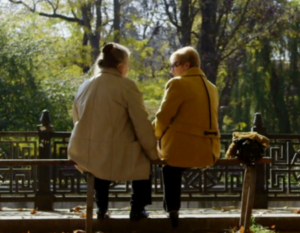
Two women hanging out outside at residential hospice westchester ny

Grief Does Not End When Hospice Care Does

One of the most common misconceptions families carry after a loss is that bereavement support ends when hospice care ends. It does not. At Jansen Hospice, our commitment to your family extends well beyond the final days of your loved one’s life. We believe that caring for a family means staying present through the hard months that follow, not just the ones leading up to a death.

What Is Long Term Hospice Care, and What Comes After?

Long term hospice care refers to the comprehensive medical, emotional, and spiritual support provided to patients with a serious illness and their families, with a focus on comfort and quality of life rather than curative treatment. Whether care is delivered at home or in an inpatient setting, the mission is the same: dignity, comfort, and family-centered care.

What many families do not realize is that this support is designed to continue after death. As a private hospice serving Westchester and the surrounding communities, Jansen Hospice has built a bereavement program that honors the full arc of grief, not just its earliest moments. Research published by the U.S. Department of Health and Human Services confirms that hospice programs play a critical role in supporting community bereavement and that structured grief services lead to meaningfully better outcomes for families.

How Jansen’s 13-Month Bereavement Program Works

Grief does not resolve in weeks. It moves in waves, sometimes quieting and then returning with full force around a birthday, a holiday, or an ordinary afternoon. Our bereavement program is built around this reality, offering layered support across a full 13 months after your loved one’s passing.

Here is what that support looks like:

  • Individual counseling sessions with clinical social workers and specially trained counselors
  • Grief support groups including spousal and partner loss groups in White Plains and Cortlandt Manor
  • Personal phone calls to check in and offer a compassionate, listening ear
  • Condolence cards in the days following your loss
  • Monthly mailings at the first, third, sixth, ninth, and twelfth month after the death
  • A closing letter at the end of the twelfth month
  • Anniversary cards to acknowledge the milestones that matter most

Each of these touchpoints is intentional. Together, they form a structure that holds grieving families steady as the months unfold.

Home Hospice Southern WestchesterWhy Structure Matters in Grief

It might seem surprising that something as personal as grief would benefit from structure. But a systematic review published in PMC-NCBI on the effectiveness of support for people bereaved through advanced illness found that continuity between pre- and post-bereavement support is widely acknowledged as leading to better bereavement care. The trust and rapport built during hospice care, carried forward into bereavement support, makes a meaningful difference in how families heal.

Structure also provides something grief often takes away: a sense of rhythm. Knowing that a call is coming, that a card will arrive, that a counselor is available, gives families a thread to hold onto when everything else feels uncertain.

Inpatient Hospice vs. Home Hospice: Does It Affect Bereavement Support?

Families sometimes wonder whether the setting of hospice care affects what bereavement support is available to them afterward. The short answer is: it does not. Whether your loved one received care at home or in an inpatient facility, Jansen Hospice’s bereavement program is available to your family all the same.

The distinction between inpatient hospice vs. home hospice is an important one when it comes to the level of medical care and around-the-clock support a patient needs. But when it comes to the grief journey your family walks after a loss, our commitment to you remains exactly the same regardless of where that care took place.

Understanding the Difference Between Grief and Complicated Grief

Most people move through grief gradually, finding moments of peace alongside moments of pain. This is what the HHS bereavement services report describes as the typical grieving process. For some, however, grief persists in ways that significantly interfere with daily life. This is known as prolonged grief disorder or complicated grief, and it is distinct from the normal grieving process.

If you find that your grief is not easing over time, that you are struggling to function, or that feelings of hopelessness are intensifying rather than softening, it may be time to speak with a grief counselor. Jansen’s individual counseling services are here for exactly this reason. Reaching out for more support is not a sign of weakness. It is one of the most courageous things a grieving person can do.

Key Takeaways

  • Bereavement support does not end when hospice care ends. Jansen Hospice walks with families for 13 months after loss.
  • Structured bereavement care, including counseling, support groups, and regular check-ins, leads to better outcomes for grieving families.
  • Our bereavement program is available to all families we serve, regardless of whether care was provided at home or in an inpatient setting.
  • Grief support groups offer community, connection, and a space where you do not have to grieve alone.

Frequently Asked Questions

How long does Jansen Hospice’s bereavement support last?

Jansen Hospice provides bereavement support for up to 13 months following the death of your loved one. This includes individual counseling, support groups, personal phone calls, condolence cards, monthly mailings, and anniversary remembrances. According to the NCBI Bookshelf’s overview of bereavement intervention programs, approximately 70 percent of hospices offer bereavement services for about a year following a loss, with the most effective programs offering a layered combination of contacts over time rather than a single point of outreach.

What is the difference between grief counseling and a grief support group?

Individual grief counseling involves one-on-one sessions with a trained clinical professional, while a grief support group brings together people who have experienced similar losses in a shared, facilitated setting. Both are valuable and serve different needs. The HHS report on bereavement and grief services highlights that a variety of support types are needed because every person grieves differently, and a combination of individual and group support often produces the best outcomes.

You Do Not Have to Walk This Road Alone

At Jansen Hospice, we believe no family should have to navigate grief without a caring, knowledgeable team by their side. Whether you are newly bereaved or approaching a difficult anniversary, our bereavement program is here to meet you exactly where you are.

If you would like to learn more, we invite you to explore our bereavement services or contact our team to speak with someone who understands. There is no wrong time to reach out.

Sources

  1. U.S. Department of Health and Human Services (ASPE) – An Overview of Bereavement and Grief Services in the United States (2023)
  2. PMC-NCBI – The Impacts and Effectiveness of Support for People Bereaved Through Advanced Illness: A Systematic Review (2020)
  3. NCBI Bookshelf – Bereavement Intervention Programs

Caregiver Burnout: Recognizing the Signs and Getting Help Before It’s Too Much

You wake up exhausted even though you slept. The thought of another day managing medications, coordinating appointments, and providing round-the-clock care feels overwhelming. You can’t remember the last time you did something just for yourself. If this sounds familiar, you’re not alone, and what you’re experiencing has a name: caregiver burnout.

Jansen Hospice is a licensed hospice and palliative care provider serving Westchester County, NY with 24/7 support for patients and caregivers. We understand that caring for a loved one with a serious illness can be one of life’s most meaningful experiences, but it can also push you to your limits. Recognizing the signs of burnout and asking for support isn’t giving up. It’s what allows you to keep showing up for the person you love.

Understanding Caregiver Burnout in Home Hospice Care Westchester

Caring for a loved one with a serious illness can be physically and emotionally exhausting. According to Cleveland Clinic, caregiver burnout is a state of physical, emotional, and mental exhaustion that happens while taking care of someone else. This occurs when the demands of caregiving exceed a person’s ability to cope, often leading to stress, fatigue, and health problems.

Research from AARP and the National Alliance for Caregiving shows that nearly 1 in 4 Americans (approximately 63 million people) are family caregivers. Of these caregivers, 39% experience high emotional stress due to their caregiving responsibilities. Families often underestimate the intensity of caregiving, which involves tasks such as managing medications, coordinating appointments, assisting with daily activities, and providing emotional support. Without adequate resources and proper self-care, caregivers can experience emotional exhaustion and physical strain, making it harder for them to provide care for their loved one.

At home hospice care in Westchester Ny Jansen Hospice

Burnout can manifest in multiple ways, affecting both the mind and body:

  • Physical signs: constant fatigue, headaches, difficulty sleeping, frequent illnesses
  • Emotional signs: increased anxiety, irritability, sadness, or feelings of depression
  • Social signs: withdrawal from friends and family, loss of interest in hobbies
  • Mental signs: difficulty concentrating, forgetfulness, or feeling constantly overwhelmed

According to A Place for Mom, over 60% of caregivers report experiencing moderate to high levels of stress, and between 40-70% show clinical symptoms of depression. Additionally, 23% of caregivers report that caregiving has negatively affected their own physical health. Recognizing burnout early can prevent more serious consequences and help caregivers maintain their own well-being so they can continue supporting their loved one to the best of their ability.

What is Long Term Hospice Care and How It Supports Caregivers

Long term hospice care provides ongoing support for patients and families facing serious illnesses over extended periods. Unlike acute care, long term hospice care focuses on comfort, quality of life, and comprehensive support that includes caregiver education and respite services. This type of care recognizes that caregiving is a marathon, not a sprint, and provides resources to help families sustain their caregiving role over time.

Strategies to Prevent or Reduce Burnout

Preventing caregiver burnout requires both practical and emotional strategies. Here are a couple ways you can help yourself:

  • Share responsibilities: lean on relatives or friends to divide caregiving tasks, even for short periods of time
  • Prioritize personal well-being: maintain regular sleep, nutrition, and physical activity, and make time for hobbies that bring you joy
  • Join support groups: in-person or virtual support groups provide connection, advice, and help you feel less alone
  • Utilize services: options like in-home care or adult day programs give caregivers time to rest and recharge

Research published by the National Institutes of Health indicates that social isolation, poor health, and negative perspectives on caring represent important burnout predictors among family caregivers. This underscores the importance of seeking support and maintaining connections with others during the caregiving journey.

“Everyone is really dedicated to what they do for their patients and their families. And that’s what gives me joy and love to work with this team” – Milena Zaprianova, Jansen Patient Care Director

Key Takeaways

  • Two women talking in a parkCaregiver burnout affects more than 60% of caregivers and is a state of physical, emotional, and mental exhaustion
  • Common signs include fatigue, irritability, social withdrawal, difficulty sleeping, and neglecting self-care
  • Nearly 1 in 4 Americans provides unpaid care to a loved one, with 39% experiencing high emotional stress
  • Sharing responsibilities, prioritizing self-care, joining support groups, and utilizing respite services are effective strategies to prevent burnout
  • Recognizing burnout early and seeking help protects both the caregiver’s health and their ability to provide quality care
  • Burnout is not a sign of failure. It’s a natural response to the demanding nature of caregiving

Frequently Asked Questions

What’s the difference between caregiver stress and caregiver burnout?

Caregiver stress is a normal response to caregiving demands and typically comes and goes. Caregiver burnout is more severe and persistent. It’s a state of complete physical, emotional, and mental exhaustion where you feel overwhelmed, depleted, and unable to cope. While stress might make you feel tired after a particularly difficult day, burnout makes you feel exhausted all the time, even after rest. If you’re experiencing symptoms that last for weeks or interfere with your daily life, you may be experiencing burnout rather than temporary stress.

How can I ask for help when I feel guilty taking a break?

Many caregivers struggle with guilt when considering respite care or asking for help. Remember that taking care of yourself isn’t selfish. It’s essential for providing quality care to your loved one. Think of it like the airplane oxygen mask analogy: you need to secure your own mask before helping others. Start small by asking a friend or family member to sit with your loved one for just an hour while you take a walk or run an errand. You can also frame it positively to your loved one by explaining that taking breaks helps you be a better, more patient caregiver. Professional respite services are specifically designed to give caregivers the breaks they need without compromising their loved one’s care.

When should I consider professional help for caregiver burnout?

You should seek professional help if you’re experiencing persistent symptoms of depression or anxiety, having thoughts of harming yourself or your loved one, feeling resentment or anger toward the person you’re caring for, withdrawing from all social activities and relationships, or noticing your physical health is declining significantly. These are signs that burnout has progressed beyond what self-care alone can address. Speaking with a therapist, counselor, or your own healthcare provider can provide you with coping strategies and support. Many communities also offer caregiver support groups led by professionals who understand the unique challenges of caregiving. Remember, seeking help is a sign of strength, not weakness.

Westchester County Home Hospice Care: Support for Southern Westchester Families

At Jansen Hospice, we understand that caring for your loved one shouldn’t mean losing yourself in the process. Our team provides 24/7 support not just for patients, but for the family members and caregivers who make home hospice care possible in Southern Westchester. We offer guidance on managing symptoms, respite care options, and emotional support for the entire family. If you’re feeling overwhelmed or just need someone to talk to who understands what you’re going through, reach out. We’re here to help you navigate this journey while taking care of yourself along the way.

Sources

Benefits of Hospice Care at Home in Westchester

Jansen Hospice and Palliative Care has been taking care of families for over 35 years. Their nurses, counselors, doctors, social workers, and volunteers are a central pillar in the Jansen community, especially when it comes to hospice at home in Westchester. The staff provide immense care and support to patients who wish to live in the comfort of their own home among their friends and family. Here’s how they do it:

What is Hospice Care?

Hospice care is specialized medical and emotional support for individuals facing a life-limiting illness, focused on comfort, dignity, and quality of life rather than curative treatment. In Westchester hospice care, patients can receive compassionate services at home or in a Westchester hospice care facility, including pain management, symptom relief, and emotional support from a team of nurses, counselors, doctors, and volunteers. Home hospice allows patients to remain in familiar surroundings while receiving expert care, giving families the freedom to focus on connection, meaningful moments, and end-of-life planning.

Benefits of Westchester Hospice Care at Home

  • Familiar Surroundings: Receiving care at home allows patients to be in a familiar and comfortable environment during their final days. It provides both physical and emotional peace, helping the patient feel at ease and surrounded by memories of a life well lived.
  • Accessible Expert Care: Skilled nurses and compassionate caregivers/counselors bring their expertise to support the well-being of both the patient and their family right at home.
  • Time to Connect: With the support of hospice staff, families can worry less about the medical logistics and focus on the most important thing: being there for them.

Supporting Families through Hospice Care

A peaceful passing is possible when families have support, comfort, and dignity. The hospice staff’s unwavering commitment helps families through these difficult times, touching the hearts and minds of so many who needed to feel like they were heard and understood.

  • Physical Support: Hospice staff handle the physical care and medical logistics of the patient so the family members are free from the pressure of full-time caregiving and can give their full attention to their loved one.
  • Emotional Support: Families are given counseling options and regular check-ins to make sure the family is well informed, supported, and given the chance to voice their worries or concerns. This helps reduce the family’s overall stress and anxiety, and instead encourages them to laugh and share stories with their loved one.

A life well lived is more than just words. It’s a guiding principle in how Jansen cares for every patient and family. It’s about having the space to say what matters, to share stories, to laugh, and to let go peacefully.

Alex Trost, NP

Jansen Nurse Practitioner, Alex Trost

“I’ve seen firsthand how hospice care can make that possible. Receiving care at home allows the patient to be in a familiar and comfortable setting filled with life’s memories. Westchester hospice agencies provide skilled nurses, compassionate caregivers, and spiritual counselors to allow loved ones to simply be family, rather than the full-time primary caregivers. Hospice care gives everyone permission to focus on connection and being present in the moment without the pressure of logistics. In these moments, surrounded by warmth and support and love, a peaceful passing becomes a beautiful part of a life well lived.”

At Jansen Hospice, we believe everyone deserves this kind of peace and dignity at the end of life.


If you’re looking for a hospice provider in Westchester, contact Jansen today.

Living Well at Life’s End: Changing the Focus

Facing the end of life can feel overwhelming, but with the right support, families can create space for comfort, connection, and dignity. It’s possible for your loved one to to live fully, even in the midst of illness and aging. At Jansen Hospice and Palliative Care, we’re here to be that support.

Living Well Through Change with Terminal Care at Home in Westchester County NY

End of life is really what life is all about: making the most of every day no matter what challenges you face. With the right approach, your loved one can thrive and live life to its fullest even when facing chronic health conditions. By learning how to change the focus, families can create meaningful experiences that will stick with their loved one until the very end.

Guidance for Families

Preparing doesn’t always need to feel overwhelming. Katy Butler, award-winning journalist and bestselling author, covers some of the essential topics for end of life preparation in her book The Art of Dying Well: A Practical Guide to a Good End of Life:

  • How to successfully age
  • How to choose the right doctor
  • When you should or shouldn’t call 911
  • How to see end of life as a sacred passage, not just a medical event

These topics show that care is not only about managing symptoms, but also about nurturing, strengthening relationships, and honoring the aspects of life that make each person unique. If you or someone you love is navigating serious illness or the challenges of aging, this book is a must-read. This insightful and deeply compassionate guide redefines what it means to live fully, even in the face of decline or a terminal diagnosis. Through real stories, expert advice, and step-by-step guidance, Butler shows how to take charge of your care, find peace in uncertainty, and make every moment meaningful. More than a book about dying, it’s a handbook for living well to the very end—a message that beautifully echoes the heart of hospice care.

Rooted in Meaning

When families feel prepared for terminal care, it becomes less about fear and more about connection. Instead of focusing on treating symptoms clinically, there’s space for sharing memories and joy with loved ones. This way, the final stage of life becomes not only manageable, but meaningful.

Terminal Care at Home in Westchester County

At Jansen Hospice and Palliative Care, we are here to support families through this journey. We help make sure life’s final chapter is met with love, comfort, and a sense of peace.

If you have questions or want to learn more about terminal care at home in Westchester County NY, we invite you to contact us today

The Comfort of Therapy Animals: How a Simple Purr or Paw Can Make a Huge Difference in Long Term Hospice Care

At Jansen Hospice and Palliative Care, we believe end of life care is more than just medical support. It’s about offering comfort, connection, and dignity at a very vulnerable time. One of the ways we enable patients and their families to take back control against a terminal illness is through our pet therapy program. This is just one of the meaningful ways our Westchester County hospice care facilities support individuals and their families through the final chapters of life with compassion and intention.

Companionship

Hospice care can sometimes feel isolating, and your loved one may even begin to withdraw as their health declines. Whether patients receive care in their own home or one of our hospice care facilities, the presence of a therapy animal can make all the difference. A purring cat in their lap or a therapy dog quietly nudging for a gentle pet creates a sense of companionship that words can’t capture. Families, too, find visits from therapy animals bring moments of joy, relief, and even laughter during a difficult time.

Rekindling Memories

Beyond companionship, therapy animals can also rekindle old memories. For some, it could help them recall a beloved pet from years past. For others, it may spark a memory tied to an animal, outdoor activity, or family story. This opens the door to storytelling and conversation, helping to restore a sense of identity and offering the space to share their life’s experiences and a few smiles, too.

Physical Benefits

Research has shown that spending time in the presence of a therapy animal can lower blood pressure, reduce anxiety, and even ease pain and symptoms. The physical and emotional relief brings comfort to everyone involved, including family and care teams.

Our dedicated pet therapist, Joel, has seen these benefits of pet therapy firsthand. He shared his experience visiting with his two beloved pets who bring joy, warmth, and peace to everyone they visit. As Joel likes to say with a smile…

“The joke is whenever I show up with Lucy and Luke, my two dogs, they [patients] go right off hospice.”

To learn more about our Westchester County hospice care, please visit our website to contact us today. We are here to help.

The Art of a Life Well Lived: Hospice Care in Westchester County

When facing the end of life, the question often arises: What does it mean to live well? At Jansen Hospice and Palliative Care, we believe that a life well lived is one that is remembered with tenderness, care, and dignity. Located in Westchester County, our hospice care facilities support patients and families through the final chapters of life with compassion and intention.

More Than Medical Care: Connection

Jansen Hospice offers more than just clinical support. We view every patient as a whole person, not a diagnosis. In our Westchester County in-home hospice care program, patients are surrounded by familiar comforts and supported by therapies that soothe the body and the spirit.

We offer a range of services including acupuncture, aromatherapy, music therapy, Reiki, and pet therapy. These approaches are grounded in the idea that the quality of one’s final days can reflect the beauty of their entire life. Whether patients receive care in their home or in one of our Westchester County hospice care facilities, they are met with unwavering compassion.

Home Hospice Care Where Every Life Is Honored

Our team works to ensure that each patient feels seen, heard, and valued. From the moment a family chooses Jansen, they become part of a care environment rooted in love and respect. The question we return to again and again is simple, but profound: Was I loved, and did I love in return? At Jansen, we help our patients answer that with a resounding yes.

Families searching for Westchester home hospice care often tell us that what sets Jansen apart is the sense of presence we bring. It’s not just about symptom management. It’s about honoring the story of a person’s life and helping them feel the impact they’ve had on the world.


Can’t Watch the Video? Here’s a Transcript

It’s been said that a life well lived is the most exquisite work of art. I’m Tara Flanagan, the chaplain with Jansen Hospice and Palliative Care. At Jansen, we see every life as a finely detailed portrait. We ask ourselves at the end of life, was I loved, and did I love? And I think this is such a beautiful way of approaching that central ethics question of the good life— and the good life as one where you receive and give love. And at Jansen, we really strive to embody that love for our patients. They’re not alone, and they know that they mattered. From acupuncture, aroma, and music therapy, Reiki to pet therapy, Jansen provides unparalleled care for a life well lived.

If you are looking for Westchester County NY hospice care, we invite you to contact us and reach out to learn more about how Jansen Hospice and Palliative Care supports patients and families.

We were beyond delighted with the compassionate and professional care we received from Jansen. I would particularly like to recognize our nurse, Noleen, who made a difference in how we experienced my mother’s passing. I want to share my tremendous thanks and appreciation.

— Nan Mitchell Harman