
How to Spot Caregiver Burnout and When to Consider Hospice Care in Westchester

How to Spot Caregiver Burnout and When to Consider Hospice Care in Westchester

Late summer can be one of the hardest stretches of the year for a family caregiver. The visiting relatives have gone home. The neighbor who covered a few afternoons in July is back to a full schedule. The heat makes everything feel slower and heavier, and the person you love may need more help than they did a few months ago.

If you have been feeling worn thin, you are not imagining it. Caregiver burnout is real, and it is far more common than most people realize. Recognizing it early is one of the kindest things you can do, both for yourself and for the person in your care.

This article explains what caregiver burnout looks like, why late summer tends to make it worse, and small, doable steps that can help you feel more like yourself again. None of this asks you to do more. Most of it asks you to do a little less.

What Caregiver Burnout Actually Is

Caregiver burnout is a state of physical, emotional, and mental exhaustion. It builds slowly, usually over weeks or months, when the demands of caring for someone else outpace your ability to rest and recover.

It is not a sign of weakness, and it does not mean you love the person any less. It means you are human, and you have been carrying a heavy load without enough support. Almost anyone in your position would feel it eventually.

The tricky part is that burnout rarely announces itself. It creeps in through skipped meals, short nights of sleep, and a growing sense that you are always behind. Many caregivers push through the early signs because slowing down feels impossible. If it helps to understand the bigger picture of the care your family may be receiving, our overview of hospice care services in Westchester explains how a full team can share the load.

Why Late Summer Hits Caregivers Harder

Every season brings its own pressures, but the end of summer stacks several of them at once.

Family support often thins out. The relatives who helped during summer visits head back to their own routines. School starts, and caregivers who are also parents suddenly juggle drop-offs, homework, and doctor visits in the same week.

Heat adds another layer. Older adults and people with serious illness are more sensitive to high temperatures, so hot weeks can mean more symptoms, more restlessness, and more worry. And after months of steady caregiving with few real breaks, your own reserves may simply be running low.

None of this is a personal failing. It is a hard season layered on top of a hard job.

Warning Signs Worth Paying Attention To – When To Contact Hospice Care in Westchester

The National Institute on Aging points out that caregivers often notice changes in themselves only after the stress has built up. Catching the signs early gives you more room to respond gently, before you reach the point of complete exhaustion.

Watch for shifts in three areas: how you feel emotionally, how your body responds, and how you behave day to day.

  • Emotional signs: feeling irritable, hopeless, anxious, or numb. Snapping at people you love. Guilt for wanting a break, followed by more guilt for feeling guilty.
  • Physical signs: trouble sleeping even when you are exhausted, frequent headaches or stomach trouble, getting sick more often, and constant fatigue that rest does not fix.
  • Behavioral signs: pulling away from friends, dropping activities you used to enjoy, skipping your own doctor visits, and leaning harder on caffeine, food, or alcohol to get through the day.

If several of these sound familiar, treat it as useful information, not as a verdict. It is your body and mind asking for support.

Small Steps That Genuinely Help

You do not need to overhaul your life to feel better. In fact, the idea of one more big project can make burnout worse. Start with small, repeatable changes. Here are a few that caregivers often find realistic even in a busy week.

  • Protect one small block of time. Twenty minutes with a book, a walk around the block, or a quiet cup of coffee counts. Guard it the way you would guard an appointment.
  • Move your body a little. A short walk, some stretching, or gardening can lift your mood and ease tension. It does not have to be a workout.
  • Eat and drink like you matter. Keep easy, healthy food within reach, and drink water through the day, especially in the heat.
  • Say the honest thing out loud. Tell one trusted person how you are really doing. Naming it takes some of the weight off.
  • Accept help in specific pieces. People want to help but often do not know how. Give them a concrete task: a grocery run, an afternoon of company, a ride to an appointment.

Be patient with yourself as you try these. If self-care feels like just one more chore right now, pick a single item from the list and let the rest wait.

When It Is Time to Bring In More Support: Respite and Hospice Care in Westchester County

Sometimes willpower and a few good habits are not enough, and that is not a failure either. If you are dreading each day, feeling resentful, or worried you cannot keep the person safe on your own, it is a good moment to ask for real backup.

For families whose loved one is on hospice, short-term respite care can offer a genuine break. Under the Medicare hospice benefit, a patient can stay in a Medicare-approved facility for up to five days at a time so the caregiver can rest, and you can use this benefit more than once as needs come up. You can read the details on Medicare’s hospice coverage page, and see how coverage works locally on our Medicare and insurance page.

Beyond respite, hospice care services in Westchester bring a full team into your corner: nurses, aides, social workers, and chaplains who share the load and answer the questions that keep you up at night. Jansen’s Westchester bereavement services extend that care to the people around the patient, because support is meant for the whole family, not only the person who is ill.

If You Need Someone to Talk To

If you are feeling stretched to your limit, you do not have to sort it out alone. Jansen Hospice helps families across Westchester County and the Northern Bronx understand their options and find steadier footing, whether that means respite, added in-home hospice care services in Westchester, or simply a knowledgeable person to talk things through. When you are ready, reach out to our team with your questions. There is no pressure, just support.

Key Takeaways

  • Caregiver burnout is a state of physical, emotional, and mental exhaustion that builds gradually and is very common.
  • Late summer can intensify it as visiting help leaves, school routines restart, and heat adds strain.
  • Warning signs show up emotionally, physically, and in your behavior, and catching them early makes them easier to manage.
  • Small, repeatable habits help more than big overhauls, so start with one and build from there.
  • Accepting help in specific, concrete pieces is easier for everyone than waiting until you are overwhelmed.
  • For hospice families, Medicare covers short-term respite care of up to five days at a time so caregivers can rest.
  • Hospice support is designed for the whole family, not the patient alone.

Frequently Asked Questions

What is the difference between caregiver stress and caregiver burnout?
Caregiver stress is the normal strain that comes with looking after someone, and it tends to rise and fall day to day. Burnout is what can happen when that stress goes on for a long time without enough rest or support. With burnout, the tiredness does not lift after a good night’s sleep, and you may feel emotionally flat, resentful, or hopeless. You might also notice more physical problems, like frequent headaches or getting sick often. The line between the two is not always sharp, but if rest no longer helps and the feelings stick around for weeks, it is worth treating it as burnout and reaching out for support.

How can I take a break if there is no one else to help?
This is one of the most common worries caregivers share, and there are more options than it may seem. Start by making a short list of specific tasks others could take on, then ask friends, neighbors, or faith communities for one item each. Many areas offer volunteer respite programs and adult day services. If your loved one is enrolled in hospice, Medicare covers short-term respite care in an approved facility so you can truly rest. A hospice social worker can also point you toward local programs and help you build a plan that fits your family and budget.

Is it normal to feel resentful or guilty as a caregiver?
Yes. These feelings are extremely common, even among people who deeply love the person they care for. Resentment often signals that you are carrying too much for too long, not that you are a bad caregiver. Guilt tends to follow, which only adds to the weight. Rather than trying to push the feelings away, treat them as honest signals that your needs are going unmet. Talking with a counselor, a support group, or a hospice social worker can help you sort through the emotions and find practical relief. Caring for yourself is part of caring well for someone else.

When should I consider hospice help for my family member?
Hospice care in Westchester NY may be worth discussing when a loved one has a serious illness that is no longer responding to treatment aimed at a cure, and the focus is shifting toward comfort and quality of life. A physician determines medical eligibility, so the clearest next step is an honest conversation with the treating doctor. Many families wait longer than they wish they had, missing months of support they were entitled to. You do not need to have every answer first. Asking questions early, even before you are certain, gives you and your family more time and more choices.

Glossary

  • Caregiver burnout: A state of physical, emotional, and mental exhaustion caused by long-term caregiving stress without enough rest or support.
  • Respite care: Short-term care that gives a family caregiver a temporary break. Under the Medicare hospice benefit, it can be provided in an approved facility for up to five days at a time.
  • Hospice care: Comfort-focused care for people with a serious illness that is no longer being treated for a cure, with a focus on quality of life and family support.
  • Palliative care: Comfort-focused care that eases symptoms and stress and can be given at any stage of a serious illness, alongside treatment meant to cure or control it.
  • Social worker: A trained professional on the hospice team who helps families with emotional support, planning, and connecting to local resources.
  • Bereavement support: Grief counseling offered to families before and after a loved one’s death.
Finding Peace in Difficult Times: Nan’s Story of Compassionate Hospice Care

Navigating the end-of-life journey for a loved one is undeniably one of life’s most challenging experiences. It’s a time often marked by a whirlwind of emotions, uncertainties, and a profound desire to ensure comfort and peace. At Jansen Hospice, we understand this deeply, and our mission extends beyond clinical care to providing a holistic embrace of support for both patients and their families.

We recently heard a powerful story from Nan, whose experience with Jansen Hospice during her brother’s final days beautifully illustrates the profound impact of compassionate, skilled care. Her experience is just one example of the difference quality hospice care in Westchester can make.

The Comfort of Expert Guidance

Nan reflects on the overwhelming nature of the situation, a common feeling for caregivers. This resonates strongly with many families who find themselves in a caregiving role.

Listen to Nan’s reflection on her experience:

“My name is Nan. We used Jansen Hospice for my brother and couldn’t be more pleased with the service that we received. Just getting the education from the nurses made all the difference in the world. It just took a little bit of the fear out of that next step. That was a very positive experience. I cannot imagine doing this alone. You have to have trained nurses and a person with compassion. We can have all the compassion that they needed, but we don’t have the skills to give the patient the level of comfort and reduce their anxiety and take pain away.”

Beyond Compassion: The Skills That Matter

For Nan, the turning point was the education and reassurance provided by the Jansen team. This highlights a crucial aspect of hospice care in Westchester County: empowering families with knowledge and confidence, turning uncertainty into clarity.

The emotional burden of solitary caregiving is immense. Nan poignantly states that she “cannot imagine doing this alone.” This underscores the vital role of a dedicated hospice team. While family members offer boundless love and compassion, they often lack the specialized skills to manage complex medical needs and anxieties. Jansen Hospice bridges this gap, providing trained nurses and compassionate individuals who work quickly and effectively to bring calm and comfort. They are not just medical professionals; they are a supportive presence, ensuring that families feel heard, understood, and never isolated.

Ultimately, Nan’s story speaks to the core of Jansen Hospice’s philosophy: to offer “a life well lived.” It’s about more than just medical support; it’s about fostering an environment of peace, dignity, and unwavering care, allowing families to focus on precious moments, knowing they are in good hands.

If you or a loved one are facing this difficult journey and have questions, or want to learn more about how Jansen Hospice can offer support and peace, please contact us today. We believe that every family deserves compassionate guidance and the comfort of knowing they are not alone.

Learn more about hospice care in Westchester NY by reaching out to our team.

The Healing Power of Pet Therapy in Hospice Care

Pet Therapy in Hospice Care in Westchester County

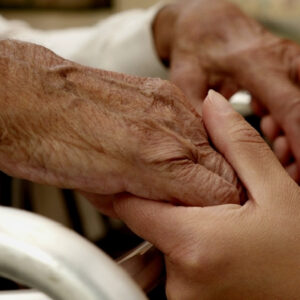
What is pet therapy? westchester hospice care, hands holding

Pet therapy, also known as animal-assisted therapy, is a guided interaction between a person and a trained animal. In hospice care, pet therapy provides comfort, companionship, and emotional support for individuals. Unlike human interactions, which can be complex and unpredictable, animals offer a reliable source of comfort and unconditional acceptance.

Physical, mental, and emotional benefits of pet therapy for hospice care in Westchester NY

Pet therapy has been shown to provide numerous benefits for patients in hospice care in Westchester, improving their overall quality of life in multiple ways:

  • Physical benefits: Interacting with therapy animals can lower blood pressure, reduce heart rate, and decrease levels of the stress hormone cortisol.
  • Mental benefits: Engaging with animals can help reduce symptoms of anxiety, depression, and loneliness in patients receiving hospice care.
  • Emotional benefits: Animals bring out a nurturing instinct, providing companionship and a sense of security. Many patients find solace in their presence, which can ease feelings of fear or isolation.

Different types of pet therapy for hospice in Westchester County

There are several forms of pet therapy used in hospice care, each tailored to meet different patient needs:

  • Canine therapy: Dogs are commonly used in hospice settings because of their gentle nature and ability to form strong emotional connections. Therapy Dogs International notes that therapy dogs are trained to sense and respond to the emotional needs of patients, providing much-needed comfort during difficult times
  • Feline therapy: Cats provide a calming presence and are ideal for patients who prefer a quieter companion.
  • Equine therapy: Some hospice programs offer interactions with horses, which can be especially beneficial for patients with mobility issues.
  • Small animal therapy: Rabbits, guinea pigs, and even birds are used to offer comfort and engagement for patients.

Pet therapy and stress reduction: What the research says

The National Library of Medicine highlights the effectiveness of pet therapy in reducing stress and enhancing well-being. Pet interactions can significantly decrease stress levels, improving overall emotional resilience.

Pet therapy offers a unique way to enhance well-being, making it an invaluable part of hospice care. By fostering companionship and emotional connection, we help patients and families find solace and peace during life’s most challenging moments. At Jansen Hospice, we’re committed to delivering compassionate, holistic care to every individual we serve.

If you or a loved one are considering hospice care in Westchester County NY and want to explore the benefits of pet therapy, our compassionate team is here to help. Contact Us today to learn more about how we incorporate pet therapy into our services.

The Benefits of Aromatherapy: Hospice in Westchester

The Benefits of Aromatherapy in Hospice Terminal Care At Home Westchester NY

Aromatherapy, often referred to as the “treatment using scents,” is a holistic and soothing approach that can greatly enhance the comfort and well-being of patients in long term hospice care. By using essential oils extracted from plants like lavender, peppermint, rose, and lemon, Woman smiling at the camera at Westchester Hospice aromatherapy offers a natural way to alleviate discomfort, reduce stress, and improve overall quality of life in hospice settings. Here’s a look at how aromatherapy can be used as part of hospice at home in Westchester and its numerous benefits.

What is aromatherapy?

Aromatherapy uses botanical essential oils to treat various physical and emotional conditions. These oils can be inhaled directly, diffused in a room, or massaged into the skin. The soothing scents from oils like lavender or peppermint can positively affect mood and health, promoting relaxation, relieving pain, and alleviating symptoms like anxiety and fatigue. Aromatherapy works by stimulating the olfactory nerves, which communicate directly with the brain, helping to calm the nervous system and create a sense of well-being.

How aromatherapy benefits hospice care in Westchester

With hospice patients, the focus is on comfort, symptom relief, and maintaining dignity during the final stages of life. Aromatherapy, as a complementary therapy, plays an important role in addressing both physical and emotional needs of patients. Here are some key benefits:

  •  Pain relief and symptom management: Essential oils like lavender, chamomile, and peppermint have been shown to relieve various types of pain, including headaches, muscle aches, and joint pain. In private hospice Westchester settings, these oils can be applied topically or diffused to provide a calming effect and pain relief, allowing patients to feel more at ease in their final stages of life.
  • Alleviating anxiety and stress: Hospice patients often experience anxiety due to the uncertainty of their condition. Terminal care at home in Westchester County NY can be supported by the relaxing qualities of essential oils like lavender and bergamot. These oils help lower anxiety levels by soothing the mind and encouraging a sense of calm. Whether diffused into the air or used in massage, these oils can promote a peaceful environment conducive to relaxation and emotional well-being.
  • Improving sleep quality: For patients in Westchester at home hospice care who struggle with insomnia or disturbed sleep patterns, aromatherapy can provide relief. Oils such as lavender and sandalwood are known for their calming and sedative effects, helping patients fall asleep more easily and enjoy a more restful night. Restorative sleep can enhance overall health and provide vital rest during this challenging time.
  • Enhancing mood and reducing fatigue: As patients undergo terminal care at home in Westchester, essential oils like lemon and rosemary can invigorate the body and boost mood. These oils stimulate the nervous system and promote feelings of energy and positivity. In hospice care, essential oils can provide emotional support, alleviating the fatigue and emotional strain patients often feel as they navigate the later stages of life.
  • Promoting skin health: Essential oils like rose and frankincense offer nourishing properties that help improve skin health. In hospice care, patients’ skin may become more sensitive or dry due to limited mobility or treatments. Aromatherapy can provide relief by moisturizing and soothing the skin, helping patients feel more comfortable and cared for during their time at home.

Aromatherapy in terminal care at home Westchester

For families choosing at home hospice services, incorporating aromatherapy into the care plan can provide an additional layer of comfort. When combined with other supportive therapies, it can make a significant difference in the emotional and physical well-being of patients. Essential oils can be integrated into the daily routine in ways that support relaxation, ease pain, and provide gentle emotional relief. For more information on aromatherapy, read the following article from UCLAHealth.

Hospice providers offering terminal care at home Westchester County can work with families to create customized aromatherapy plans that cater to individual needs and preferences. Whether diffusing calming scents in the home or using oils in a bath or massage, aromatherapy offers a personalized and natural form of comfort during a sensitive time.

Choose Jansen Hospice for hospice care in Westchester

Aromatherapy is a valuable addition and provides a natural way to enhance quality of life for hospice patients. Through the soothing properties of essential oils, it supports pain relief, reduces anxiety, promotes better sleep, and improves emotional and physical well-being. If you or a loved one is in need of terminal care at home Westchester, consider incorporating aromatherapy into the care plan to experience its many benefits in a private, supportive environment.

For more information on how hospice Westchester County services can include aromatherapy, contact us today.

We were beyond delighted with the compassionate and professional care we received from Jansen. I would particularly like to recognize our nurse, Noleen, who made a difference in how we experienced my mother’s passing. I want to share my tremendous thanks and appreciation.

— Nan Mitchell Harman