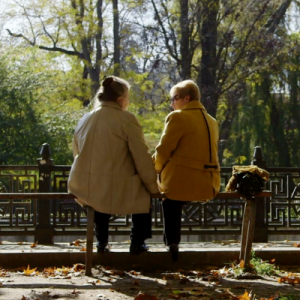
When a loved one enters hospice, families often focus on what medical care will look like. But the best hospice experience goes far beyond medication and clinical visits. Integrative hospice care combines traditional medical support with therapies that address the whole person, including their physical comfort, emotional wellbeing, and spiritual needs. At Jansen Hospice, this whole-person approach has been at the heart of our care for over 35 years.
What Is Integrative Hospice Care?
Integrative hospice care is an approach that weaves complementary therapies alongside conventional medical treatment to provide comfort, dignity, and quality of life at the end of life. Rather than focusing solely on managing symptoms with medication, integrative care recognizes that a person’s emotional state, spiritual wellbeing, and sense of connection are just as important as their physical comfort.
According to the National Institutes of Health, complementary therapies used alongside conventional care can meaningfully improve quality of life for patients with serious illness. These therapies are not replacements for medical treatment. They work together with it to provide a fuller, more human experience of care.
Why Integrative Care Matters at the End of Life
For patients receiving in home hospice care in Westchester County or inpatient care, the final chapter of life deserves more than pain management alone. Here is why that matters. Research published in PMC by the National Institutes of Health reviewed 23 studies across eight countries and found that complementary therapies including music, biofield therapies, and therapeutic touch produced significant improvements in physical symptoms such as pain, fatigue, and agitation, as well as psychosocial and spiritual outcomes including anxiety, depression, and quality of life. These are not small or incidental benefits. They are meaningful improvements in how patients experience their final days.
The Therapies That Make a Difference
Music and Acoustic Relaxation
Music therapy is one of the most well-studied complementary approaches in hospice and palliative care. According to PMC research published through the National Institutes of Health, studies have found significant positive effects of music therapy on pain, physical comfort, fatigue, anxiety, mood, spirituality, and quality of life in hospice patients. Music can reach patients who are no longer able to communicate verbally, and it supports families as much as it does patients.
A more recent study from the Mayo Clinic, published in 2025, found that music therapy reduced symptom burden and enhanced quality of life for hospice patients, with all participants endorsing satisfaction with the therapy and describing it as particularly beneficial for stress relief, relaxation, spiritual support, and emotional wellbeing.
Aromatherapy
Aromatherapy uses plant-derived essential oils to support emotional and physical wellbeing. According to the National Cancer Institute, aromatherapy has been shown to help improve physical, emotional, and spiritual wellbeing for critically ill patients. Because the sense of smell is closely linked to memory and emotion, certain scents can evoke comfort, calm agitation, and help patients feel more at ease in their environment.
Pet Therapy
There is something uniquely comforting about the presence of an animal. Studies reviewed by the National Institutes of Health have shown significant health benefits of animal-assisted visits in patient care settings, including reductions in anxiety, loneliness, and depression. For patients with memory disorders in particular, pet therapy can generate positive emotional responses that other therapies cannot always reach.
Integrative Care for the Whole Family
Integrative therapies benefit caregivers and loved ones too. Grief, anticipatory loss, and caregiver stress are real and significant. Music therapy sessions frequently take place with family present. According to research cited by the National Institutes of Health, evidence confirms that music-based interventions reduce caregiver stress and anxiety both before and after bereavement.
As a hospice provider in Westchester NY, Jansen Hospice offers all of these integrative therapies as part of our commitment to whole-person care. Whether your loved one is receiving long term hospice support at home or in a facility, these services are woven into the care plan from the very beginning.
Key Takeaways
- Integrative hospice care combines conventional medical treatment with complementary therapies to support the whole person, including physical, emotional, and spiritual needs.
- Music therapy, aromatherapy, and pet therapy are among the most researched and widely used integrative therapies in hospice care.
- Research consistently shows that these therapies reduce pain, anxiety, and depression while improving quality of life for hospice patients.
- Integrative therapies benefit not just patients but also family caregivers, reducing stress and supporting the bereavement process.
Frequently Asked Questions About Integrative Hospice Care
What is inpatient hospice and does it include integrative therapies?
Inpatient hospice refers to hospice care provided in a hospital, skilled nursing facility, or dedicated inpatient hospice setting rather than at home. According to the Centers for Medicare and Medicaid Services, inpatient hospice care is available when a patient’s symptoms cannot be managed effectively at home and requires a higher level of clinical oversight. Integrative therapies like music and aromatherapy can be offered in inpatient settings just as they are in home-based care.
How long can a patient receive hospice care?
Hospice care is not limited to a fixed period of time. According to the National Hospice and Palliative Care Organization, patients may receive hospice care for as long as a physician certifies that their illness is life-limiting and the patient continues to meet eligibility criteria. Long term hospice care is available for patients whose conditions progress slowly, and care plans are regularly reviewed and updated to reflect changing needs.
What makes Jansen Hospice different from other hospice providers in Westchester?
Jansen Hospice has been serving families in Westchester County for over 35 years, providing exceptional care in the home, in skilled nursing and assisted living facilities, and in partnership with NewYork-Presbyterian. Our integrative therapy program, which includes music relaxation, acupuncture, aromatherapy, art therapy, massage, pet therapy, reflexology, and therapeutic touch, reflects our belief that comfort and dignity at the end of life require more than medical care alone.
You Do Not Have to Navigate This Alone.
Choosing a hospice provider in Westchester NY is one of the most important decisions a family can make. At Jansen Hospice, we are here to walk alongside you every step of the way, with compassionate clinical care and integrative therapies that honor your loved one as a whole person.
Reach out to us to learn more about our Westchester hospice care services or to speak with a member of our care team.
Sources
- National Institutes of Health (NIH)
- National Cancer Institute — Aromatherapy
- PMC / NIH — Dingley et al., Complementary Therapies in Hospice Care (2021)
- PMC / NIH — Music Therapy in Hospice and Palliative Care
- PMC / NIH — Music Therapy and Nursing Cotreatment in Integrative Hospice Care
- PubMed / Mayo Clinic — Music Therapy to Reduce Symptom Burden in Hospice Patients (2025)
- ScienceDirect — Effectiveness of Music Therapy, Aromatherapy, and Massage in Palliative Care (2024)
- Centers for Medicare and Medicaid Services (CMS)
- National Hospice and Palliative Care Organization (NHPCO)