
The Compassionate Team Behind Every Patient at Jansen Hospice
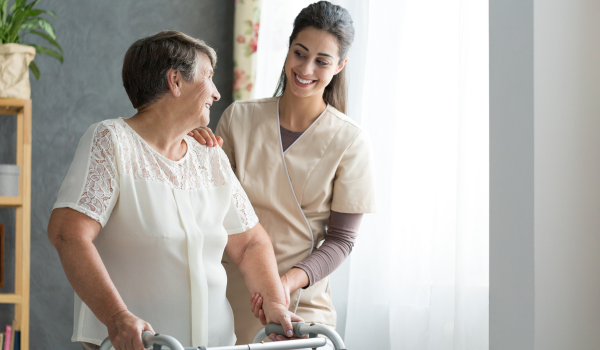
At Jansen Hospice and Palliative Care, your family is surrounded by an entire team of dedicated professionals and compassionate volunteers, each playing a unique and essential role. Whether your loved one is receiving the best in-home hospice care Westchester County has to offer, or being cared for in one of the hospice facilities Westchester NY families rely on, our team travels to where your loved one is. For over 35 years, our interdisciplinary care team has been the backbone of everything we do. Here is what each member of your hospice care team does, and why their work matters so deeply.
The Philosophy of Hospice Care, Why the Team Approach Matters
No single person can meet all the needs that arise at the end of life. Hospice care recognizes this, and it is built on an interdisciplinary model. That means a group of specialists work together around the patient and family, each bringing a different kind ofexpertise. Together, they create a circle of support that addresses medical, emotional, social, and spiritual needs all at once.
According to the National Hospice and Palliative Care Organization (NHPCO), the interdisciplinary team is central to the hospice philosophy and is required under the Medicare Hospice Benefit. That means from day one, you are not navigating this alone.
Your Jansen Hospice Care Team and What They Do
Here is a closer look at each member of the Jansen hospice team, the role they play, and the difference they make for patients and families in Westchester and the surrounding area.
| Team Member | Primary Role | Who They Support |
|---|---|---|
| Hospice Nurse (RN) | Pain and symptom management, care coordination | Patient and family |
| Home Health Aide | Personal care, daily comfort, dignity | Patient |
| Medical Social Worker | Emotional support, resources, family guidance | Patient and family |
| Chaplain | Spiritual and existential care | Patient and family |
| Volunteer | Companionship, respite, practical support | Patient and family |
Hospice Nurses
The hospice nurse is often the person families connect with most frequently. Registered nurses (RNs) visit the patient at home, in a skilled nursing facility, or in a contracted hospital setting to monitor symptoms, manage pain, and adjust the care plan as needs change. They are also a steady point of contact when you have questions, and they are available around the clock for urgent concerns.
Hospice nurses do not just manage medications. They listen. They explain. They help families understand what is happening and what to expect. That kind of clear, compassionate communication makes an enormous difference during a deeply uncertain time.
Home Health Aides
Home health aides provide hands-on personal care that helps maintain dignity and comfort throughout the course of illness. They assist with bathing, grooming, dressing, and other daily needs that may become difficult as a condition progresses. Their work is intimate and deeply respectful, and for many patients, these regular visits become something they genuinely look forward to.
Aides also serve as an important set of eyes for the clinical team, noting any changes in a patient’s condition that should be addressed promptly. Their daily presence keeps care consistent and connected.
Medical Social Workers
A hospice social worker supports the emotional and practical needs of the entire family, not just the patient. They help families navigate difficult decisions, connect with community resources, work through financial concerns, and process the complex emotions that come with end-of-life care. Their role is both practical and deeply human.
Social workers are also skilled in family dynamics. When communication is strained or a family is facing disagreements about care, a social worker can serve as a thoughtful and compassionate guide. They are trained to hold space for grief without trying to rush it or fix it.
Chaplains and Spiritual Care Counselors
Spiritual care is not about religion, although it certainly can be. At Jansen, our chaplains support patients and families of all faiths, backgrounds, and belief systems, including those with no religious affiliation at all. Their role is to explore what brings meaning, comfort, and peace to each individual, whether that is prayer, music, storytelling, nature, or simply quiet companionship.
The Hospice Foundation of America notes that spiritual wellbeing is a core component of quality end-of-life care. Chaplains help people feel seen, heard, and at peace during a time that can feel isolating and overwhelming.
Volunteers
Volunteers are the heart of the hospice community. Jansen’s volunteers offer their time and presence in ways that can be quietly life-changing. They may sit with a patient so a caregiver can rest, read aloud, run errands, share a conversation, or simply be present. Their gift is time, and at the end of life, time is everything.
The Centers for Medicare and Medicaid Services (CMS) requires that volunteers make up at least 5 percent of patient care hours for all Medicare-certified hospice programs. That is not just a regulation. It is a recognition of how meaningful volunteer support truly is.
How Your Team Works Together for Long-Term Hospice Care
The Jansen hospice team meets regularly to review each patient’s plan of care. These interdisciplinary team meetings ensure that everyone is aligned and that nothing falls through the cracks. If a patient’s pain increases, the nurse updates the team. If a family is struggling emotionally, the social worker steps in. If a patient expresses a spiritual concern, the chaplain responds promptly.
This coordinated approach is especially important in long-term hospice care, where needs evolve gradually over weeks or months and the team must adapt alongside the patient and family. Everyone is always working toward the same goal: comfort, dignity, and the best possible quality of life for the time that remains.
Integrative Therapies for Westchester County Families
Jansen goes beyond the standard hospice model by offering a rich range of integrative therapies designed to increase a patient’s sense of peace and well-being. These include music relaxation, acupuncture, aromatherapy, art therapy, massage therapy, pet therapy, reflexology, Reiki, and therapeutic touch.
These therapies are offered alongside traditional medical care and can be tailored to what feels right for each patient and family. For many of the families we serve in Westchester and beyond, these offerings become among the most treasured parts of their experience with Jansen.
Ready to Meet the Jansen Team? We Are Here for You.
You do not have to figure this out alone. The team at Jansen Hospice and Palliative Care has been walking alongside families across Westchester for over 35 years. We welcome your questions, your concerns, and your family, exactly as you are.
Contact Jansen Hospice to speak with someone today, or learn more about our hospice care services and what to expect when care begins.
Key Takeaways
- Hospice care is delivered by an interdisciplinary team, not a single provider.
- The Jansen team includes nurses, home health aides, social workers, chaplains, and volunteers.
- Each team member addresses a different dimension of care: medical, physical, emotional, social, and spiritual.
- Regular team meetings keep care coordinated and responsive to each patient’s changing needs.
- Jansen also offers integrative therapies as an added layer of comfort and well-being.
Frequently Asked Questions
How often will a hospice nurse visit my loved one?
Visit frequency depends on the patient’s level of care and individual needs. For routine home hospice, nurses typically visit several times per week and are available by phone 24 hours a day, 7 days a week. According to Medicare.gov, the Medicare Hospice Benefit covers all nursing visits related to the hospice diagnosis, and visit frequency is determined by the patient’s individualized plan of care.
Is spiritual care available if we are not religious?
Yes, absolutely. Hospice chaplains support patients and families of all backgrounds, including those with no religious affiliation. Spiritual care at the end of life is about meaning, connection, and peace, not doctrine or belief. The Hospice Foundation of America emphasizes that spiritual support is a universal component of quality end-of-life care and is available to every patient regardless of faith tradition.
What can a hospice volunteer actually do for our family?
Hospice volunteers offer companionship, caregiver respite, help with errands, and a compassionate presence that many families describe as deeply meaningful. Their support is flexible and shaped around what each family actually needs. The National Hospice and Palliative Care Organization (NHPCO) recognizes volunteers as an essential and required component of the hospice care team under the Medicare Hospice Benefit.
Sources
- National Hospice and Palliative Care Organization (NHPCO): https://www.nhpco.org
- Medicare.gov, Hospice Care Coverage: https://www.medicare.gov/coverage/hospice-care
- Hospice Foundation of America: https://hospicefoundation.org
- American Academy of Hospice and Palliative Medicine (AAHPM): https://aahpm.org
- Centers for Medicare and Medicaid Services (CMS), Medicare Hospice Benefit: https://www.cms.gov/medicare/medicare-fee-for-service-payment/hospice
