
The May Benefit Is On May 16th. Click To Purchase Tickets

10 Signs It May Be Time for Hospice Care in Westchester County

10 Signs It May Be Time for Hospice Care in Westchester County

Recognizing when hospice care is the right choice can be one of the hardest decisions a family faces. These 10 signs can help Westchester County families understand when comfort-focused care may be the most compassionate path forward for a loved one with a serious illness.

According to the National Hospice and Palliative Care Organization, many families who have used hospice services report wishing their loved one had enrolled sooner. Hospice is not about giving up. It is about making sure the time that remains is as comfortable, supported, and meaningful as possible.

End of Life CareWhat Is Hospice Care and Who Is It For?

Hospice is a Medicare-covered benefit available to patients with a terminal illness whose physician certifies that, if the illness follows its expected course, the prognosis may be six months or less. That six-month guideline isnot a deadline. Patients who continue to meet eligibility criteria can receive long-term hospice care for as long as they remain eligible, with eligibility reviewed at regular intervals.

Hospice care can be provided wherever a patient lives, including private homes, skilled nursing facilities, assisted living communities, and contracted hospital settings. The majority of patients receiving at-home hospice in Westchester County remain in the environment where they feel most comfortable.

10 Signs It May Be Time to Consider Private Hospice in Westchester County

1. A Physician Has Given a Terminal Diagnosis with a Six-Month Prognosis

A physician-certified prognosis of six months or less is the primary eligibility requirement for hospice under Medicare. This does not mean your loved one will pass within six months. It means the illness, if it follows its expected course, may result in that outcome. Many patients receive long-term hospice care for considerably longer when they continue to meet eligibility criteria.

2. Hospitalizations or Emergency Room Visits Are Becoming More Frequent

When a loved one is visiting the emergency room or being admitted to the hospital more than once within a 30 to 90 day window, it is often a sign that the illness is progressing faster than outpatient care can address. Hospice brings skilled nursing, symptom management, and medical support directly to the patient at home, which can reduce the need for those repeated crisis visits.

3. Treatment Has Stopped Working or the Patient Has Chosen to Stop Treatment

When a care team has exhausted curative options, or when a patient has made the personal choice to stop treatment and focus on quality of life, hospice becomes the appropriate next step.

4. Significant, Unexplained Weight Loss

Rapid weight loss that cannot be explained by a change in diet is a recognized clinical indicator of disease progression. For patients with cancer, heart failure, dementia, COPD, or other serious illnesses, this type of decline often signals that the body is no longer processing nutrition effectively. A hospice physician and nurse can help families understand what this means and how to keep a loved one as comfortable as possible.

5. Pain or Symptoms Are Increasing and Harder to Control

Escalating pain, breathlessness, nausea, or other symptoms that are becoming harder to manage through routine medical care are a clear signal that a different level of support is needed. Hospice teams specialize in palliative symptom management, meaning they are trained specifically to address the physical discomfort that comes with serious illness, not just the underlying diagnosis.

6. A Rapid Decline in the Ability to Handle Daily Activities

When a loved one can no longer bathe, dress, eat, or move through the home without significant help, and that decline has happened over a relatively short period of time, it is worth having an honest conversation about hospice. A rapid loss of functional ability is one of the clearest clinical markers of an illness in its advanced stages.

End of Life Care7. The Patient Has Said They Want Comfort, Not More Treatment

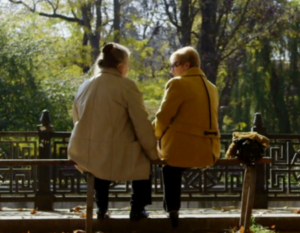
Patients have the right to make their own care decisions, and many do. When a loved one has clearly and consistently expressed that they do not want more procedures, more hospitalizations, or more time away from home, honoring that wish often means choosing hospice. Hospice philosophy of care is built entirely around the patient’s goals, values, and definition of a meaningful life.

8. A Doctor or Specialist Has Mentioned Hospice

When a physician brings up hospice, it is worth listening carefully. Care teams often raise the topic later than they should, out of concern for how the family will respond. If anyone on your loved one’s care team has mentioned hospice even once, it is a meaningful clinical signal. It is also important to know that anyone can make a hospice referral, including the patient or a family member, without waiting for a physician to initiate it.

9. The Family Caregiver Is Exhausted or No Longer Able to Safely Provide Care

Caregiver burnout is a medical reality. When the person providing day-to-day care at home is physically depleted, emotionally strained, or no longer able to manage a loved one’s needs safely, it affects the quality of care for both of them. Hospice provides nursing visits, aide services, social work, chaplaincy, and family support designed to give caregivers meaningful relief while keeping the patient at home.

10. Life Has Become Defined by Crisis Management Rather Than Connection

When a family’s days are consumed entirely by medical appointments, medication management, emergency calls, and care coordination, it often means the illness has advanced to a point where a dedicated support team is needed. When the care team takes on the medical complexity, families can simply be present.

Talk to a Hospice Care Provider Serving Westchester County

Jansen Hospice and Palliative Care has been a trusted part of the Westchester County community for over 40 years. If you have questions about whether hospice is the right choice for your family, our team is here to help you think it through honestly and without pressure.

Reach out to our team whenever you are ready to start a conversation about hospice care in Westchester.

Key Takeaways

  • Hospice is a Medicare-covered benefit for patients with a terminal illness and a physician-certified prognosis of six months or less.
  • A six-month prognosis is not a deadline. Patients who continue to meet eligibility criteria can receive long-term hospice care for as long as they remain eligible.
  • Hospice care is available wherever a patient lives, including at home, in assisted living, in skilled nursing facilities, and in hospital settings.
  • Anyone, including the patient or a family member, can request a hospice referral. You do not need to wait for a physician to bring it up.

Frequently Asked Questions About Hospice Care in Westchester County

How do I know if my loved one qualifies for private hospice in Westchester County?

Your loved one may qualify for hospice if their physician certifies that the illness, if it follows its expected course, may result in a prognosis of six months or less. According to Medicare.gov, the patient must also agree to receive comfort-focused care rather than treatment aimed at curing the illness. A hospice provider can conduct a free eligibility consultation to help you understand whether your loved one meets the criteria without any commitment required.

What does hospice philosophy of care mean in practice?

Hospice philosophy of care means the entire care plan is organized around the patient’s comfort, dignity, and personal goals rather than curative treatment. According to the National Hospice and Palliative Care Organization, this includes pain and symptom management, emotional and spiritual support for the patient, and comprehensive care for the family as a unit. It is a patient-directed approach that treats quality of life as the central measure of good care.

Can my loved one receive long-term hospice care if they live longer than expected?

Yes. Hospice is not limited to a fixed period of time. According to Medicare.gov, a patient can continue receiving hospice benefits as long as their physician certifies that they continue to meet eligibility criteria. Eligibility is reviewed at regular intervals, but there is no penalty for remaining on hospice for an extended period, and patients who improve can transition off hospice and return to curative care if they choose.

Who can make a hospice referral?

Anyone can initiate a hospice referral, including the patient, a family member, a primary care physician, a specialist, a hospital social worker, or a nurse. According to the National Hospice and Palliative Care Organization, families do not need to wait for a physician to suggest it. If you believe your loved one may be ready for hospice, you can contact a provider directly and they will guide you through the next steps.

Sources


The Compassionate Team Behind Every Patient at Jansen Hospice

At Jansen Hospice and Palliative Care, your family is surrounded by an entire team of dedicated professionals and compassionate volunteers, each playing a unique and essential role. Whether your loved one is receiving the best in-home hospice care Westchester County has to offer, or being cared for in one of the hospice facilities Westchester NY families rely on, our team travels to where your loved one is. For over 35 years, our interdisciplinary care team has been the backbone of everything we do. Here is what each member of your hospice care team does, and why their work matters so deeply.

The Philosophy of Hospice Care, Why the Team Approach Matters

No single person can meet all the needs that arise at the end of life. Hospice care recognizes this, and it is built on an interdisciplinary model. That means a group of specialists work together around the patient and family, each bringing a different kind ofexpertise. Together, they create a circle of support that addresses medical, emotional, social, and spiritual needs all at once.

According to the National Hospice and Palliative Care Organization (NHPCO), the interdisciplinary team is central to the hospice philosophy and is required under the Medicare Hospice Benefit. That means from day one, you are not navigating this alone.

Your Jansen Hospice Care Team and What They Do

Here is a closer look at each member of the Jansen hospice team, the role they play, and the difference they make for patients and families in Westchester and the surrounding area.

Team Member Primary Role Who They Support
Hospice Nurse (RN) Pain and symptom management, care coordination Patient and family
Home Health Aide Personal care, daily comfort, dignity Patient
Medical Social Worker Emotional support, resources, family guidance Patient and family
Chaplain Spiritual and existential care Patient and family
Volunteer Companionship, respite, practical support Patient and family


Hospice Nurses

The hospice nurse is often the person families connect with most frequently. Registered nurses (RNs) visit the patient at home, in a skilled nursing facility, or in a contracted hospital setting to monitor symptoms, manage pain, and adjust the care plan as needs change. They are also a steady point of contact when you have questions, and they are available around the clock for urgent concerns.

Hospice nurses do not just manage medications. They listen. They explain. They help families understand what is happening and what to expect. That kind of clear, compassionate communication makes an enormous difference during a deeply uncertain time.

Home Health Aides

Home health aides provide hands-on personal care that helps maintain dignity and comfort throughout the course of illness. They assist with bathing, grooming, dressing, and other daily needs that may become difficult as a condition progresses. Their work is intimate and deeply respectful, and for many patients, these regular visits become something they genuinely look forward to.

Aides also serve as an important set of eyes for the clinical team, noting any changes in a patient’s condition that should be addressed promptly. Their daily presence keeps care consistent and connected.

Medical Social Workers

A hospice social worker supports the emotional and practical needs of the entire family, not just the patient. They help families navigate difficult decisions, connect with community resources, work through financial concerns, and process the complex emotions that come with end-of-life care. Their role is both practical and deeply human.

Social workers are also skilled in family dynamics. When communication is strained or a family is facing disagreements about care, a social worker can serve as a thoughtful and compassionate guide. They are trained to hold space for grief without trying to rush it or fix it.

Chaplains and Spiritual Care Counselors

Spiritual care is not about religion, although it certainly can be. At Jansen, our chaplains support patients and families of all faiths, backgrounds, and belief systems, including those with no religious affiliation at all. Their role is to explore what brings meaning, comfort, and peace to each individual, whether that is prayer, music, storytelling, nature, or simply quiet companionship.

The Hospice Foundation of America notes that spiritual wellbeing is a core component of quality end-of-life care. Chaplains help people feel seen, heard, and at peace during a time that can feel isolating and overwhelming.

Volunteers

Volunteers are the heart of the hospice community. Jansen’s volunteers offer their time and presence in ways that can be quietly life-changing. They may sit with a patient so a caregiver can rest, read aloud, run errands, share a conversation, or simply be present. Their gift is time, and at the end of life, time is everything.

The Centers for Medicare and Medicaid Services (CMS) requires that volunteers make up at least 5 percent of patient care hours for all Medicare-certified hospice programs. That is not just a regulation. It is a recognition of how meaningful volunteer support truly is.


How Your Team Works Together for Long-Term Hospice Care

The Jansen hospice team meets regularly to review each patient’s plan of care. These interdisciplinary team meetings ensure that everyone is aligned and that nothing falls through the cracks. If a patient’s pain increases, the nurse updates the team. If a family is struggling emotionally, the social worker steps in. If a patient expresses a spiritual concern, the chaplain responds promptly.

This coordinated approach is especially important in long-term hospice care, where needs evolve gradually over weeks or months and the team must adapt alongside the patient and family. Everyone is always working toward the same goal: comfort, dignity, and the best possible quality of life for the time that remains.

Integrative Therapies for Westchester County Families

Jansen goes beyond the standard hospice model by offering a rich range of integrative therapies designed to increase a patient’s sense of peace and well-being. These include music relaxation, acupuncture, aromatherapy, art therapy, massage therapy, pet therapy, reflexology, Reiki, and therapeutic touch.

These therapies are offered alongside traditional medical care and can be tailored to what feels right for each patient and family. For many of the families we serve in Westchester and beyond, these offerings become among the most treasured parts of their experience with Jansen.

At home hospice care in Westchester Ny Jansen Hospice

Ready to Meet the Jansen Team? We Are Here for You.

You do not have to figure this out alone. The team at Jansen Hospice and Palliative Care has been walking alongside families across Westchester for over 35 years. We welcome your questions, your concerns, and your family, exactly as you are.

Contact Jansen Hospice to speak with someone today, or learn more about our hospice care services and what to expect when care begins.

Key Takeaways

  • Hospice care is delivered by an interdisciplinary team, not a single provider.
  • The Jansen team includes nurses, home health aides, social workers, chaplains, and volunteers.
  • Each team member addresses a different dimension of care: medical, physical, emotional, social, and spiritual.
  • Regular team meetings keep care coordinated and responsive to each patient’s changing needs.
  • Jansen also offers integrative therapies as an added layer of comfort and well-being.

Frequently Asked Questions

How often will a hospice nurse visit my loved one?

Visit frequency depends on the patient’s level of care and individual needs. For routine home hospice, nurses typically visit several times per week and are available by phone 24 hours a day, 7 days a week. According to Medicare.gov, the Medicare Hospice Benefit covers all nursing visits related to the hospice diagnosis, and visit frequency is determined by the patient’s individualized plan of care.

Is spiritual care available if we are not religious?

Yes, absolutely. Hospice chaplains support patients and families of all backgrounds, including those with no religious affiliation. Spiritual care at the end of life is about meaning, connection, and peace, not doctrine or belief. The  Hospice Foundation of America emphasizes that spiritual support is a universal component of quality end-of-life care and is available to every patient regardless of faith tradition.

What can a hospice volunteer actually do for our family?

Hospice volunteers offer companionship, caregiver respite, help with errands, and a compassionate presence that many families describe as deeply meaningful. Their support is flexible and shaped around what each family actually needs. The National Hospice and Palliative Care Organization (NHPCO) recognizes volunteers as an essential and required component of the hospice care team under the Medicare Hospice Benefit.

Sources

Caregiver Burnout: Recognizing the Signs and Getting Help Before It’s Too Much

You wake up exhausted even though you slept. The thought of another day managing medications, coordinating appointments, and providing round-the-clock care feels overwhelming. You can’t remember the last time you did something just for yourself. If this sounds familiar, you’re not alone, and what you’re experiencing has a name: caregiver burnout.

Jansen Hospice is a licensed hospice and palliative care provider serving Westchester County, NY with 24/7 support for patients and caregivers. We understand that caring for a loved one with a serious illness can be one of life’s most meaningful experiences, but it can also push you to your limits. Recognizing the signs of burnout and asking for support isn’t giving up. It’s what allows you to keep showing up for the person you love.

Understanding Caregiver Burnout in Home Hospice Care Westchester

Caring for a loved one with a serious illness can be physically and emotionally exhausting. According to Cleveland Clinic, caregiver burnout is a state of physical, emotional, and mental exhaustion that happens while taking care of someone else. This occurs when the demands of caregiving exceed a person’s ability to cope, often leading to stress, fatigue, and health problems.

Research from AARP and the National Alliance for Caregiving shows that nearly 1 in 4 Americans (approximately 63 million people) are family caregivers. Of these caregivers, 39% experience high emotional stress due to their caregiving responsibilities. Families often underestimate the intensity of caregiving, which involves tasks such as managing medications, coordinating appointments, assisting with daily activities, and providing emotional support. Without adequate resources and proper self-care, caregivers can experience emotional exhaustion and physical strain, making it harder for them to provide care for their loved one.

At home hospice care in Westchester Ny Jansen Hospice

Burnout can manifest in multiple ways, affecting both the mind and body:

  • Physical signs: constant fatigue, headaches, difficulty sleeping, frequent illnesses
  • Emotional signs: increased anxiety, irritability, sadness, or feelings of depression
  • Social signs: withdrawal from friends and family, loss of interest in hobbies
  • Mental signs: difficulty concentrating, forgetfulness, or feeling constantly overwhelmed

According to A Place for Mom, over 60% of caregivers report experiencing moderate to high levels of stress, and between 40-70% show clinical symptoms of depression. Additionally, 23% of caregivers report that caregiving has negatively affected their own physical health. Recognizing burnout early can prevent more serious consequences and help caregivers maintain their own well-being so they can continue supporting their loved one to the best of their ability.

What is Long Term Hospice Care and How It Supports Caregivers

Long term hospice care provides ongoing support for patients and families facing serious illnesses over extended periods. Unlike acute care, long term hospice care focuses on comfort, quality of life, and comprehensive support that includes caregiver education and respite services. This type of care recognizes that caregiving is a marathon, not a sprint, and provides resources to help families sustain their caregiving role over time.

Strategies to Prevent or Reduce Burnout

Preventing caregiver burnout requires both practical and emotional strategies. Here are a couple ways you can help yourself:

  • Share responsibilities: lean on relatives or friends to divide caregiving tasks, even for short periods of time
  • Prioritize personal well-being: maintain regular sleep, nutrition, and physical activity, and make time for hobbies that bring you joy
  • Join support groups: in-person or virtual support groups provide connection, advice, and help you feel less alone
  • Utilize services: options like in-home care or adult day programs give caregivers time to rest and recharge

Research published by the National Institutes of Health indicates that social isolation, poor health, and negative perspectives on caring represent important burnout predictors among family caregivers. This underscores the importance of seeking support and maintaining connections with others during the caregiving journey.

“Everyone is really dedicated to what they do for their patients and their families. And that’s what gives me joy and love to work with this team” – Milena Zaprianova, Jansen Patient Care Director

Key Takeaways

  • Two women talking in a parkCaregiver burnout affects more than 60% of caregivers and is a state of physical, emotional, and mental exhaustion
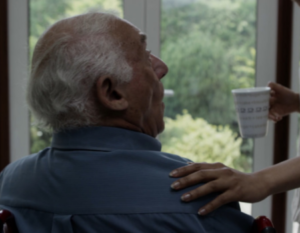
  • Common signs include fatigue, irritability, social withdrawal, difficulty sleeping, and neglecting self-care
  • Nearly 1 in 4 Americans provides unpaid care to a loved one, with 39% experiencing high emotional stress
  • Sharing responsibilities, prioritizing self-care, joining support groups, and utilizing respite services are effective strategies to prevent burnout
  • Recognizing burnout early and seeking help protects both the caregiver’s health and their ability to provide quality care
  • Burnout is not a sign of failure. It’s a natural response to the demanding nature of caregiving

Frequently Asked Questions

What’s the difference between caregiver stress and caregiver burnout?

Caregiver stress is a normal response to caregiving demands and typically comes and goes. Caregiver burnout is more severe and persistent. It’s a state of complete physical, emotional, and mental exhaustion where you feel overwhelmed, depleted, and unable to cope. While stress might make you feel tired after a particularly difficult day, burnout makes you feel exhausted all the time, even after rest. If you’re experiencing symptoms that last for weeks or interfere with your daily life, you may be experiencing burnout rather than temporary stress.

How can I ask for help when I feel guilty taking a break?

Many caregivers struggle with guilt when considering respite care or asking for help. Remember that taking care of yourself isn’t selfish. It’s essential for providing quality care to your loved one. Think of it like the airplane oxygen mask analogy: you need to secure your own mask before helping others. Start small by asking a friend or family member to sit with your loved one for just an hour while you take a walk or run an errand. You can also frame it positively to your loved one by explaining that taking breaks helps you be a better, more patient caregiver. Professional respite services are specifically designed to give caregivers the breaks they need without compromising their loved one’s care.

When should I consider professional help for caregiver burnout?

You should seek professional help if you’re experiencing persistent symptoms of depression or anxiety, having thoughts of harming yourself or your loved one, feeling resentment or anger toward the person you’re caring for, withdrawing from all social activities and relationships, or noticing your physical health is declining significantly. These are signs that burnout has progressed beyond what self-care alone can address. Speaking with a therapist, counselor, or your own healthcare provider can provide you with coping strategies and support. Many communities also offer caregiver support groups led by professionals who understand the unique challenges of caregiving. Remember, seeking help is a sign of strength, not weakness.

Westchester County Home Hospice Care: Support for Southern Westchester Families

At Jansen Hospice, we understand that caring for your loved one shouldn’t mean losing yourself in the process. Our team provides 24/7 support not just for patients, but for the family members and caregivers who make home hospice care possible in Southern Westchester. We offer guidance on managing symptoms, respite care options, and emotional support for the entire family. If you’re feeling overwhelmed or just need someone to talk to who understands what you’re going through, reach out. We’re here to help you navigate this journey while taking care of yourself along the way.

Sources

Is It Time for Hospice? Signs That Hospice Care in Westchester May Be Right for Your Loved One

Recognizing when a loved one might benefit from hospice care is one of the most difficult decisions families face. Many people in Westchester County wonder if they’re considering it too early or waiting too long, and these concerns are completely natural. Hospice care is designed to provide comfort, dignity, and support when curative treatment is no longer the focus, typically when someone has a life-limiting illness with an expected prognosis of six months or less. Understanding the signs that suggest hospice may be appropriate can help families make informed decisions that honor their loved one’s wishes and improve quality of life during this important time.

Understanding Eligibility and Long Term Hospice Care

According to the Centers for Medicare & Medicaid Services, hospice care becomes an option when a physician determines that a patient has a terminal illness with a life expectancy of six months or less if the disease follows its natural course. This guideline often causes confusion and concern for families, so let’s clarify what it really means.

The Six-Month Prognosis Guideline

The six-month timeframe is not a deadline or a guarantee. It’s simply a clinical guideline used to determine eligibility for hospice services. Many families worry that choosing hospice means “giving up,” but this couldn’t be further from the truth. Hospice represents a shift in focus from curing disease to maximizing comfort and quality of life.

Here’s what’s important to understand: patients can receive long term hospice care for longer than six months if their physician continues to certify that they remain eligible. Some patients even improve with the excellent symptom management and support that hospice provides, and they can choose to leave hospice and return to curative treatment at any time.

Common Signs That Suggest Hospice May Be Appropriate

The National Hospice and Palliative Care Organization identifies several clinical indicators that suggest a patient may benefit from hospice care. Recognizing these signs helps families have important conversations earlier:

Physical Changes and Functional Decline

A man being given a cup of coffee in residential hospice westchester nySeveral physical changes often indicate that comfort care would be beneficial:


  • Increasing difficulty with basic daily activities like bathing, dressing, or walking
  • Progressive weakness or spending most of the day in bed or a chair
  • Unintentional weight loss or decreasing appetite despite efforts to maintain nutrition
  • Frequent infections or recurring hospitalizations
  • Declining response to treatments that previously helped manage symptoms
  • Increased confusion or changes in consciousness
  • Difficulty swallowing or decreased interest in eating and drinking

Medical Indicators

According to the Centers for Medicare & Medicaid Services, healthcare providers look at several medical factors when considering hospice appropriateness:

  • Disease progression despite treatment: The illness continues to advance even with aggressive medical intervention
  • Multiple emergency room visits: Frequent hospitalizations often signal declining health and unmanaged symptoms
  • Treatment burden exceeds benefit: Medical interventions cause more distress than improvement in quality of life
  • Physician assessment: Doctor’s clinical judgment that curative treatment is no longer effective

Who Can Initiate a Hospice Referral

Many people don’t realize that anyone can start the conversation about hospice care. While a physician’s certification is required for enrollment, the initial discussion can come from several sources:

  • The patient themselves, when they recognize their own changing needs
  • Family members or caregivers who notice declining health
  • Physicians, nurses, or other healthcare providers

You don’t need to wait for your doctor to bring it up. If you’re wondering whether hospice might help your situation, it’s completely appropriate to ask. We’re here to have that conversation without pressure or judgment.

What Hospice Care Provides in Westchester County

Hospice is much more than end-of-life care. It’s a comprehensive approach that addresses physical, emotional, and spiritual needs for both patients and families. Most hospice care in Westchester happens at home, allowing your loved one to remain in familiar, comfortable surroundings while receiving expert support.

Comprehensive Support Services

Hospice teams typically include physicians, nurses, social workers, chaplains, home health aides, and trained volunteers. Together, they provide expert pain and symptom management, medications and medical equipment related to the hospice diagnosis, emotional and spiritual support for patients and families, assistance with daily care needs, and bereavement support for families after their loved one passes.

This comprehensive approach means families don’t have to navigate this difficult time alone. We’re here to support you every step of the way.

Key Takeaways

hospice nurse

  • Hospice eligibility is based on a six-month prognosis guideline, but long term hospice care is available if needed beyond this timeframe
  • Common signs that suggest hospice may help include functional decline, frequent hospitalizations, weight loss, and declining response to treatment
  • Many families wish they had started hospice care sooner to benefit from better symptom management and support
  • Anyone can initiate a conversation about hospice, including patients, families, or healthcare providers
  • Hospice provides comprehensive support including medical care, emotional support, and family assistance
  • Most hospice care happens at home, allowing patients to receive expert care in comfortable surroundings
  • Choosing hospice represents a shift in focus toward comfort and quality of life, not giving up

Frequently Asked Questions

How do I know if my loved one qualifies for hospice care?

Your loved one may qualify for hospice if they have a terminal illness and a physician certifies that their life expectancy is six months or less if the disease follows its natural course. According to the Centers for Medicare & Medicaid Services, hospice eligibility is determined by a physician’s clinical judgment based on the normal course of the individual’s illness. This assessment considers factors like disease progression, functional decline, and response to treatment, and the certification can be renewed if your loved one continues to meet eligibility criteria for long term hospice beyond six months.

Can my loved one still see their regular doctor while on hospice?

Yes, your loved one can continue to see their primary care physician while receiving hospice care. Medicare.gov explains that hospice patients can maintain relationships with their existing healthcare providers, and the hospice team works collaboratively with these doctors to ensure coordinated care. The hospice team becomes the primary coordinator for care related to the terminal illness, but patients can still receive treatment for conditions unrelated to their hospice diagnosis and maintain important medical relationships that provide comfort and continuity.

What if my loved one gets better on hospice?

If your loved one’s condition improves or stabilizes while receiving hospice care, they can choose to leave hospice and return to curative treatment at any time. The National Hospice and Palliative Care Organization notes that some patients experience improved quality of life and even stabilization of their condition due to excellent symptom management and reduced stress from hospitalizations. Patients have the right to revoke hospice services whenever they wish, and they can re-enroll later if their condition changes and they become eligible again. This flexibility ensures that hospice remains a choice that serves your loved one’s best interests.

Does choosing hospice mean we have to stop all treatments?

Choosing hospice means shifting the focus from curative treatment to comfort care, but it doesn’t mean stopping all interventions. Medicare.gov clarifies that hospice covers all care and services related to the terminal illness, including medications for pain and symptom management, medical equipment, and necessary nursing care. Some treatments that provide comfort or improve quality of life may continue, while aggressive interventions aimed at curing the disease typically stop. The hospice team works with your family to determine which care approaches best honor your loved one’s wishes and provide the most benefit during this time.

Let Jansen Hospice Support Your Family

If you’re wondering whether hospice care might be right for your loved one, we’re here to talk through your specific situation without pressure or judgment. At Jansen Hospice, we provide compassionate in home hospice care in Westchester, bringing expert support directly to families throughout the county. Our experienced team understands that every family’s journey is unique, and we’re available to answer your questions, explain the hospice process, and help you understand what services we can provide.

Contact us today to learn more about how hospice care in Westchester can support your family during this important time.

Sources

  1. Centers for Medicare & Medicaid Services – Hospice Coverage: https://www.cms.gov/medicare/payment/fee-for-service-providers/hospice
  2. Medicare.gov – Hospice Care Coverage: https://www.medicare.gov/coverage/hospice-care
  3. National Hospice and Palliative Care Organization: https://www.nhpco.org/

A Life Well Lived: Lessons from a Park Bench

At Jansen Hospice and Palliative Care, we are often reminded that the final chapters of life can be the most meaningful. In the stillness of those moments, there is space for presence, for reflection, and for gratitude.

One of our longtime volunteers, Tina Stout, shared a memory that captures the beauty of what we strive to provide: the chance for each person to live well until the very end. A memory that is about moments that carry weight. Moments that teach us something about being alive.

The Gift of Awareness in At Home Hospice Care

Tina sat beside a patient, a woman she refers to as Charlotte, who was living with pancreatic cancer. Charlotte did not have many weeks left, and she knew it. And yet what she offered that day was not fear or sorrow. It was awareness.

They were mid-conversation when Charlotte stopped, caught by the sight of a cherry tree in bloom. What she said next stayed with Tina for years.

A Moment That Changed Everything


Can’t watch the video? Here’s a transcript of Tina’s story:

“Hello, I’m Tina Stout. In one of my first years as a Jansen volunteer, I was sitting on a park bench with a patient—I’ll call her Charlotte, though that wasn’t her real name. Charlotte had pancreatic cancer and knew she did not have many more weeks to live.

It was a beautiful afternoon in the spring, and we were talking. I can’t remember about what. Suddenly, Charlotte stopped herself mid-sentence and pointed to a beautiful blooming cherry tree. ‘Look,’ she said. ‘Look at that tree. I don’t think anything can be more beautiful than when you think you may be seeing it for the last time.’

Together, we looked at that tree, and at other trees, and at the flowers. We watched mothers pushing strollers and listened to the train that rolled by behind us. And all of it, if not for the last time, was close to the last time for Charlotte.

We at Jansen try to help every patient have a life well lived. But it became clear to me that they are also guiding us. They remind me every time to embrace life and try to live well for myself every day. It’s an amazing gift that you have for us.”

More Than a Westchester Home Hospice Care Volunteer

What Tina’s story shows is that hospice care is about relationships. It is about bearing witness to the full experience of life, including its end. Tina did not go into that afternoon expecting to be changed, but she was.

Moments like these do not require grand gestures or perfect words. They just need space. At Jansen, we work every day to create that space within our Westchester County home hospice care services, so people can look at a cherry tree and see it as if for the first time.

Our patients are not just receiving care. They are also teaching us how to live. They remind us to slow down, to pay attention, and to find beauty in what we often overlook.

If you or a loved one are looking for Westchester home hospice care, please don’t hesitate to reach out and contact us. We will take you in with open arms, and welcome you warmly into the Jansen Family.

How Reflexology Can Help Home Hospcie in Westchester NY

The Power of Reflexology in Home Hospice Care in Westchester County

Hospice care focuses on providing comfort, dignity, and relief from pain for patients facing terminal illnesses. In addition to medical treatments, complementary therapies such as reflexology can offer profound physical, emotional, and mental benefits. Reflexology, a specialized touchHome Hospice Westchester, woman drinking coffee therapy, is a gentle, non-invasive technique that promotes relaxation and helps manage discomfort.

What is reflexology? How does this help patients in Westchester in home hospice care?

Reflexology is the application of pressure, stretching, and movement to specific areas of the feet and hands to stimulate corresponding parts of the body. Reflexologists view these areas as a mirror image of the body’s internal systems, meaning that targeted pressure can break up stress patterns, relieve tension, and promote overall well-being.

This therapy is based on the principle that the body’s organs and systems are connected through energy pathways. By working on reflex points, practitioners help restore balance, improve circulation, and encourage the body’s natural healing response.

What are the benefits of reflexology for those in Westchester County in home hospice care?

For individuals receiving Westchester county home hospice care, reflexology provides several key advantages:

  • Pain management: Reflexology can help ease chronic pain by promoting the release of endorphins, the body’s natural painkillers. Patients who experience discomfort due to illness, inflammation, or muscle tension often find relief through this therapy.
  • Stress and anxiety reduction: Many hospice patients and their families experience high levels of emotional distress. Reflexology induces deep relaxation, reduces cortisol levels, and encourages a sense of calm, improving the patient’s overall well-being.
  • Improved circulation: The gentle manipulation of pressure points enhances blood flow, which helps deliver oxygen and nutrients to vital organs and tissues. This can be particularly beneficial for bedridden patients.
  • Digestive support: Many hospice patients struggle with digestion due to medications or illness. Reflexology stimulates digestive reflexes, which may help relieve nausea, bloating, and constipation.
  • Enhanced sleep quality: Relaxation techniques used in reflexology can aid patients who suffer from insomnia, allowing them to experience deeper and more restorative rest.

Who performs reflexology?

Reflexology is typically performed by trained professionals, such as licensed massage therapists or certified reflexologists. Some Westchester hospice agencies may incorporate this therapy into their holistic care plans, ensuring that patients receive gentle and compassionate treatment from skilled practitioners.

Reflexology techniques used in private hospice

Reflexologists use a variety of techniques to provide relief, including:

  • Thumb walking: Applying gentle pressure using the thumb to work through different reflex zones.
  • Rotational movements: Circular movements on specific points to release tension.
  • Finger pressing: Applying sustained pressure to areas corresponding to major organs.
  • Gentle stretching: Used to promote flexibility and relaxation.

Each session is tailored to the patient’s needs and comfort level, making it a valuable therapy.

Reflexology serves as an excellent complementary therapy to traditional hospice care, providing relief without medication and enhancing the patient’s overall quality of life. Whether used in private hospice settings or in a Westchester county hospice provider program, this therapy offers a compassionate way to ease suffering and promote comfort.

For more information on reflexology in hospice care, check out this external resource from the National Center for Complementary and Integrative Health (NCCIH): NCCIH Reflexology Overview.

At Jansen Hospice & Palliative Care, we believe in treating the whole patient—mind, body, and spirit. Contact us today to learn more about how reflexology and other complementary therapies can help your loved one receive the best home hospice care Westchester county NY has to offer.

A Real Story From A Real Family: How Jansen Hospice Care in Westchester Helped the DeLasho Family

Honoring Compassionate Care: A Story of Gratitude for Jansen Hospice & Palliative Care

Caring for a loved one during their final days is a profound and emotional journey. For families in Westchester County and surrounding areas, Jansen Hospice & Palliative Care has provided unparalleled support, helping families honor their loved ones’ wishes to receive care in the comfortTwo women talking in a park of their homes. One family’s story of gratitude highlights the compassionate services Jansen offers, underscoring the difference hospice care can make.

My mom, Joni DeLasho, became a Jansen client on October 25, 2024. Kevin, nurse, and Meghan, social worker, came to our home and explained the program. They went over everything and answered all questions in such a way that we both relaxed and comfortable with the decision to call in end of life care. Kevin came back the next Tuesday to check on Joni and his kindness and positivity always put us at ease. My mom continued to decline but I was never alone. The on-call nurses on the after-hours number are amazing. As a first-time care giver their support was invaluable.

Nurses Kevin, Patrick & Christine are true angels walking among us. Patrick checked on me in the evening before he logged off for the day. I would not have been able to stay home and care for my mom without their support.

When I accepted the fact that I needed help, Jansen provided home heath aids Michelle and Tanisha. Their compassion, kindness, skill & dedication. They kindly taught me ways to care for my mom. 

We chose Jansen Hospice because 20 years ago you took care of my grandfather. She was satisfied then as I am now.

The Jansen organization has found a way to find truly kind and caring people to employee. I hope you realize how wonderful your staff is. I cannot stress how important the kindness and compassion of your staff is to family members caring for their loved ones. My mom was able to pass away in her home as she wished. I hope never to use your service, but I am glad you are there. thank you.

The lifeline of home hospice care in Westchester NY

Jansen’s home hospice care services in Westchester NY bring more than medical assistance; they bring peace of mind. Nurses like Kevin, Patrick, and Christine offered not only clinical expertise but also emotional support. Whether it was Kevin’s calming presence during weekly visits or Patrick’s evening check-ins, their dedication ensured Joni’s daughter never felt alone. Even the after-hours on-call nurses provided a vital lifeline, offering reassurance and guidance during moments of uncertainty.

For first-time caregivers, this level of support is invaluable. Jansen’s staff exemplifies why families continue to trust their services for long-term hospice care in Westchester County NY.

The role of compassionate home health aides: Premier hospice care in Westchester County

As Joni’s condition declined, her family recognized the need for additional help. Jansen’s compassionate home health aides, Michelle and Tanisha, stepped in with kindness and skill. Not only did they provide essential care, but they also taught Joni’s daughter techniques to enhance her caregiving. This combination of practical and emotional support allowed Joni to remain at home, surrounded by love, fulfilling her final wish.

A legacy of excellence in hospice care in NY

The DeLasho family’s experience is not an isolated story. Jansen Hospice has been a trusted provider of private hospice care in Westchester NY for decades. The same family had chosen Jansen 20 years earlier for their grandfather’s care—a testament to Jansen’s lasting impact and reputation for excellence.

Jansen’s ability to attract and retain genuinely kind, skilled professionals is a hallmark of their service. The organization’s focus on hiring and training compassionate staff ensures that families navigating the challenges of terminal care at home in Westchester feel supported and cared for every step of the way.

The gift of dignity and peace

Thanks to Jansen Hospice, Joni passed away peacefully at home, as she wished. This experience illustrates the profound role of hospice care in creating a dignified, comfortable end-of-life experience for patients and their families. Whether through inpatient hospice care in Westchester County or at home hospice care, Jansen’s staff prioritizes the wishes and needs of each family they serve.

Continuing the legacy of care

Stories like the DeLasho family’s inspire us to recognize the importance of hospice services in our community. By supporting organizations like Jansen Hospice, we ensure that families facing end-of-life care challenges have access to compassionate, high-quality services when they need them most.

For more information about Jansen’s services, including inpatient hospice care in Westchester NY or to explore ways to support their mission, visit their website. Additionally, resources on caregiving are available from organizations like Family Caregiver Alliance.

Choosing hospice care is never an easy decision, but with Jansen Hospice, families find a partner dedicated to honoring their loved ones with dignity, compassion, and respect. Contact us today to learn more about our services and what would be the good fit for you and your loved one.

Relieving Caregiver Stress During the Holidays: How Westchester Hospice Care Helps Families Find Peace

How Hospice Care Can Ease Caregiver Stress, Especially During the Holidays

For families caring for a loved one with a terminal illness, the holiday season can be a time of unique stress and emotional weight. The demands ofAt home hospice care in Westchester Ny Jansen Hospice providing constant care, coupled with the usual holiday responsibilities, can easily overwhelm even the most dedicated caregivers. Hospice care in Westchester provides a compassionate solution, helping to relieve families of the physical and emotional strain that can escalate during this time of year.

The relief hospice care brings to caregivers

Westchester at home hospice offer caregivers crucial support, allowing them to focus on quality time with their loved one rather than the stress of day-to-day medical and personal care. When a patient receives inpatient hospice care in Westchester County, they are supported by a team of healthcare professionals, including doctors, nurses, and social workers who ensure that pain and symptoms are well-managed in a comfortable environment. This setting allows families to rest assured that their loved one’s needs are continuously met without the constant need for hands-on care.

For families opting for at home hospice care in Westchester, the benefits are equally impactful. Hospice staff, including a private hospice nurse, make regular visits, provide medical management, assist with personal care, and offer respite for the primary caregiver. During the holiday season, this support can make a world of difference by alleviating time and stress, giving families the chance to create memories, share stories, and celebrate together.

Bring peace of mind during the holidays with private hospice care in Westchester NY

Hospice care prioritizes both the patient’s comfort and the caregiver’s well-being, allowing families to focus on moments of connection, joy, and reflection. During the holiday season, when emotions can run especially high, knowing that a compassionate hospice team is there for physical and emotional support can relieve the burden on caregivers who may otherwise feel isolated.

Whether a family chooses private hospice in Westchester or inpatient hospice in Westchester County NY, the support of a dedicated hospice team can make a significant impact on reducing caregiver fatigue, preventing burnout, and restoring emotional balance. Hospice care in Westchester and Westchester County brings an invaluable resource to families during the holidays and beyond, helping both patients and caregivers find peace. Contact us today for more information.

For additional resources on managing caregiving stress, visit Caregiver Action Network, which provides support, tips, and resources to help caregivers navigate their roles during the holiday season.

Understanding the Differences and Similarities Between Inpatient Hospice Care and At Home Hospice Care

What’s the Difference Between Inpatient Hospice Care and At Home Hospice in Westchester

When a loved one is facing a terminal illness, making decisions about their care can be daunting. In Westchester, families often find themselves weighing the options between inpatient hospice and at home hospice care. Both approaches prioritize comfort, dignity, and quality of life forA man being given a cup of coffee in residential hospice westchester ny terminally ill patients, yet they offer distinct experiences and benefits.

What is inpatient hospice Westchester County?

Inpatient hospice care provides comprehensive support in a medical facility, such as a hospital or specialized hospice unit. This setting is ideal for patients who require intensive medical supervision and care management that cannot be provided at home. In Westchester, facilities offering inpatient hospice services focus on pain and symptom management while ensuring that patients receive 24/7 medical assistance.

Patients in inpatient hospice are cared for by a dedicated team of healthcare professionals, including doctors, nurses, social workers, and volunteers. This team collaborates to create a tailored care plan that addresses the unique needs of each individual, promoting comfort and dignity during their final days. Additionally, the facility environment provides immediate access to medical resources, making it easier to manage complex symptoms and emergencies.

Let’s learn about home hospice care Westchester NY

Conversely, at home hospice care allows patients to receive support in the comfort of their own homes. This option is often preferred by families who want to maintain a familiar environment during a challenging time. In Westchester County, organizations like Jansen Hospice & Palliative Care offer personalized home hospice care that enables patients to spend their final days surrounded by loved ones.

At home hospice care includes visits from a private hospice nurse in Westchester, who provides medical care, pain management, and emotional support. This care extends to family members, offering education, counseling, and respite care to ease the burden of caregiving. By fostering a supportive environment, families can ensure their loved ones experience a sense of peace and comfort in their final days.

Similarities between inpatient and Westchester hospice care at home

Despite their differences, inpatient and at home hospice care share a core mission: to enhance the quality of life for patients facing terminal illnesses. Both approaches prioritize pain management, symptom control, and emotional support for both patients and their families.

In both settings, the hospice philosophy affirms life while acknowledging death as a natural part of it. This means that neither type of care seeks to hasten or postpone death; rather, they focus on providing compassionate care during the final stages of life. Additionally, both inpatient and at home hospice care are covered by Medicare, Medicaid, and most private insurance plans, ensuring financial accessibility for families.

Inpatient hospice vs. home hospice

When deciding between inpatient hospice and at home hospice, families should consider the specific needs of their loved ones. Inpatient hospice may be more suitable for patients who require around-the-clock medical attention or have complex symptom management needs. On the other hand, terminal care at home in Westchester allows patients to remain in a familiar environment, surrounded by family, which can significantly enhance their emotional well-being.

Making the right choice

Ultimately, the choice between inpatient and at home hospice care depends on the individual circumstances and preferences of the patient and their family. Westchester  families can benefit from the resources available at both types of care, ensuring that their loved ones receive the best possible support during this difficult time.

For additional information and resources on hospice care, you can visit the National Hospice and Palliative Care Organization. This resource provides comprehensive guidance on hospice options, patient rights, and caregiver support.

If you’re looking in to inpatient hospice vs home hospice and want to learn more, contact us today. We here at Jansen Hospice & Palliative Care are here for you every step of the way.

Frequently Asked Questions About Hospice Care in Westchester County, NY

Everything you need to know about hospice care in Westchester NY

Facing a terminal illness and navigating end-of-life care decisions can be overwhelming. At Jansen Hospice & Palliative Care, we are here to help you understand your options and provide the bestTwo people taking a selfie at-home hospice in Westchester county possible care for your loved ones. Since 1984, we have offered compassionate, professional hospice care to patients in Westchester County, NY, and the surrounding areas. Below, we answer some of the most frequently asked questions about our hospice services, including hospice facilities in Westchester County, private hospice care, and long term hospice care.

What is hospice care Westchester NY?

Hospice care is a specialized approach that emphasizes comfort and dignity for individuals coping with terminal illnesses. The hospice philosophy accepts death as a natural part of life, focusing on providing the highest quality of life for whatever time remains rather than attempting to cure the underlying disease. This care includes managing symptoms, reducing suffering, and addressing emotional and spiritual needs to enhance overall well-being.

What services does Jansen Hospice provide?

Jansen Hospice & Palliative Care is one of the top hospice care facilities in Westchester County that offers a comprehensive range of services designed to meet the unique needs of each patient. Our interdisciplinary team includes doctors, nurses, social workers, home health aides, clergy, therapists, and volunteers. We provide:

  • 24-hour on-call services and assistance
  • Medical care with an emphasis on symptom control and pain management
  • Skilled nursing care and visits
  • Certified home health aides for personal care assistance
  • Social work support for resource planning and emotional support
  • Spiritual counseling for all faith communities
  • Bereavement counseling for families and caregivers
  • Physical, occupational, and speech therapies as needed
  • Complementary therapies such as acupuncture, aromatherapy, massage therapy, and more

What is the difference between home hospice and inpatient hospice care?

Home hospice care allows patients to receive professional care in the comfort of their own homes, surrounded by loved ones. This setting emphasizes dignity and quality of life, with our team providing personalized medical, emotional, and spiritual support. In contrast, inpatient hospice care, available through our affiliation with New York-Presbyterian/Westchester Hospital, offers a more intensive level of medical support and symptom management in a dedicated facility. This option is ideal for patients who require round-the-clock medical supervision or advanced treatments that are not feasible at home.

Why choose Jansen Hospice & Palliative Care above other hospice care facilities Westchester NY?

Jansen Hospice & Palliative Care stands out for its personalized, compassionate approach to end-of-life care. Since 1984, we have been committed to providing exceptional care that honors the dignity and comfort of each patient. Our affiliation with New York-Presbyterian/Westchester Hospital ensures access to advanced treatments and resources, enhancing the quality of care we provide. Additionally, our dedicated Board of Directors continuously works to enhance our services through innovative programs and ongoing staff education, ensuring that our patients receive the best possible care.

Are hospice services covered by insurance?

Yes, hospice care is typically covered by Medicare, Medicaid, and most private insurance plans. These plans generally cover the full range of hospice services, including medical care, medications for symptom management, medical supplies, and equipment. Our team can assist you in understanding your coverage and any potential out-of-pocket costs.

How does Jansen Hospice support families, loved ones, and caregivers?

At Jansen Hospice, we believe that supporting family members and caregivers is an essential part of our mission. We offer various services to ease the burden, including education, respite care, and counseling. Our bereavement services provide individual and group support to help families cope with loss and navigate the grieving process. We understand that hospice not only affects our patients, it also has a significant impact on those around us. We are here through the whole process.

What makes Jansen Hospice one of the best providers of private hospice in Westchester?

Our commitment to providing compassionate, personalized care makes Jansen Hospice one of the best hospice care providers in Westchester. We focus on enhancing the quality of life for our patients, ensuring they live their remaining days with peace, comfort, and dignity. Our interdisciplinary team, advanced resources, and comprehensive services set us apart as a leading hospice care provider in the region.

Can Jansen Hospice accommodate long term hospice care Westchester County?

Yes, Jansen Hospice can accommodate long term hospice care needs. While hospice care is typically intended for patients with a life expectancy of six months or less, we understand that each patient’s journey is unique. We provide ongoing support and care to ensure our patients’ comfort and quality of life throughout their remaining time.

How can I get started with Jansen?

If you or a loved one is facing a terminal illness and could benefit from our hospice care services, we encourage you to contact us. Our team is here to provide the support and information you need to make informed decisions about end-of-life care. Reach out to Jansen Hospice & Palliative Care today to learn more about our compassionate care and services in Westchester County, NY.

By addressing these frequently asked questions, we hope to provide clarity and support to those considering hospice care. At Jansen Hospice & Palliative Care, we are dedicated to ensuring that our patients and their families receive the highest quality care during this challenging time.

If you’re ready to begin your hospice care journey with Jansen Hospice & Palliative Care contact us today.

Jansen made an unbearable experience somewhat bearable. My wife of 52 years went into hospice at home on August 4 and died on August 29 from metastatic breast cancer. The moment we agreed with the doctors to end chemo and move to hospice, Jansen took over. Social Worker Deb Hanley organized everything. Nurse Marcia Roberts was available at all times and made sure that we had all the necessary medicines and equipment before we knew that we needed them. The aides who came to our home every day were all both kind and competent. I had never heard of Jansen before the staff at Lawrence Hospital introduced us. I do not know how to say thank you any better than writing this 5-star review.

— William