
What’s Cooking At Midnight In Manhattan Is On Oct 28th. Click To Purchase Tickets

Long Term Hospice Care in Westchester: What Private Hospice Really Means

Long Term Hospice Care in Westchester: What Private Hospice Really Means

Two phrases come up constantly in calls from families across the county, and neither one appears anywhere in Medicare’s rulebook. The first is long term hospice care. The second is private hospice care.

People use them because they describe something real. A family searching for long term hospice care in Westchester usually wants to know whether hospice can continue for months rather than days. A family searching for private hospice care in Westchester County is usually asking a different question: will the same faces keep showing up, and will someone answer the phone at 2 a.m.?

Both are fair questions with clear answers. This guide covers how long hospice can actually last, what happens at each review, what “private” does and doesn’t mean when you’re comparing providers, and the questions worth asking before you choose one.

How Long Can Hospice Care Actually Last?hospice nurse
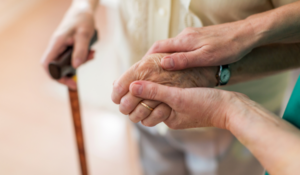
Longer than most families expect, and there is no lifetime limit. Hospice coverage is organized into benefit periods rather than a fixed total: two periods of 90 days each, followed by an unlimited number of 60-day periods. As long as a hospice physician confirms at each review that the person still meets the criteria, care continues.

Medicare puts it plainly: if you live longer than six months, you can keep getting hospice care as long as a hospice doctor recertifies that you remain terminally ill. Nobody is discharged for outliving a prognosis.

That surprises people because the average stay is shorter than the maximum. Across the country, half of hospice patients are enrolled for less than three weeks, which usually reflects late referrals rather than any rule about length. Meanwhile, patients with slower-moving illnesses such as dementia, heart failure, or lung disease often receive care for many months. Long term hospice in Westchester is common, not exceptional.

Diagnosis is usually what drives length of stay. Cancer often follows a steeper, more predictable decline, so those enrollments tend to be shorter. Families researching long term hospice in Westchester NY are more often dealing with Alzheimer’s disease, heart failure, COPD, kidney disease, or Parkinson’s, where decline arrives in steps with long plateaus in between. Those illnesses can support months of care, and the hospice benefit was built to accommodate exactly that pattern.

Our article on how long someone can stay on hospice works through the recertification timeline in more detail.

What Happens at Each Review

Recertification tends to worry families more than it should. It is a clinical review, not a test someone can fail through bad luck.

  • The first certification needs two physicians. A hospice physician and the person’s own attending doctor both sign it.
  • Later reviews need only one. A hospice physician handles subsequent recertifications, using the team’s documentation of how the illness has progressed.
  • Before the third benefit period, someone visits in person. A hospice doctor or nurse practitioner sees the patient face to face within 30 days beforehand, and again before each period after that.
  • Nothing is required of the family. No new paperwork, no re-enrolling, no permission to seek.

If someone genuinely improves and no longer meets the criteria, the hospice must discharge them. That happens, and it isn’t a punishment or a mistake. The team explains what other support is available and how to return to hospice later, which families can do at any point if eligibility comes back.

What “Private Hospice Care” Actually Means

Here’s the part worth being straight about. Private hospice is not a Medicare category, not a license type, and not a level of care. No provider is more or less “private” in any regulated sense.

What is actually regulated, and worth checking, comes down to three things:

  • Medicare certification. A hospice must be Medicare-certified for the benefit to cover care. Medicare states that you pay nothing for hospice care from a Medicare-approved provider.
  • Ownership status. Hospices are nonprofit or for-profit, and independent or part of a larger chain. This is public information and it shapes how an organization makes decisions.
  • Accreditation and quality reporting. Medicare-certified hospices report quality measures, and families can compare providers before choosing.

When families ask about private hospice care in Westchester, they’re almost never asking about ownership paperwork. They’re asking whether care will feel personal. Will the same nurse come each week, or a rotating list of strangers? How fast does someone arrive after a call? Does the team know my mother’s name without checking a chart?

Those are excellent questions. They just have to be asked directly, because no label answers them.

What Long Term Hospice Looks Like Month to Month

Families picture hospice as a crisis service. Over a long enrollment it looks much more like a steady routine that adjusts as things change.

Most days fall under what Medicare calls routine home care, meaning the person is at home and the team comes to them. A nurse visits on a schedule and reassesses symptoms. An aide helps with bathing and dressing. A social worker handles benefits paperwork, family friction, and planning. A chaplain visits if the family wants that. Medications, a hospital bed, oxygen, and supplies related to the illness are delivered and replaced without anyone submitting claims.

The plan of care is rewritten as the illness moves. Visit frequency usually increases over time. New symptoms bring new medications. Equipment arrives before it’s urgently needed rather than after.

Medicare recognizes four levels of hospice care, and a person can move between them during a long enrollment. Alongside routine home care, continuous home care allows nursing at home for extended hours during a crisis. General inpatient care covers a short facility stay when symptoms can’t be controlled at home. Inpatient respite care, up to five days at a time on an occasional basis, exists so a family caregiver can rest. Our comparison of inpatient and home hospice explains how those decisions get made.

The Caregiving Load Over a Long Enrollment

This deserves honesty rather than reassurance. Hospice sends a team that visits, and it can provide continuous nursing during a symptom crisis. It does not staff a home around the clock as a standing arrangement. Over many months, day-to-day care between visits still falls to family, and that accumulates.

Families handle it in different ways. Some rotate among siblings and hire a private aide for nights or weekends, paid out of pocket or through a long-term care policy. Some use respite care to catch up on sleep. Others eventually decide a facility is the safer setting, with hospice continuing to follow them there.

Raise the staffing question in your first conversation rather than three months in, when everyone is depleted. A hospice social worker knows which community programs and benefits exist locally and how to apply. If you’re already past that point, our piece on spotting caregiver burnout is worth a few minutes.

What It Costs Over Months, Not Days

The math doesn’t change with length of stay. Medicare pays the hospice a daily rate covering everything connected to the terminal illness, and the family isn’t billed per visit or per medication. The only routine charges are a prescription copayment of up to $5 for pain and symptom drugs, which many hospices waive, and 5 percent of the approved amount if you use inpatient respite.

Room and board is the exception, and it matters more over a long enrollment. At home there is none. In a nursing home or assisted living residence, the monthly facility charge continues, paid privately, through long-term care insurance, or by Medicaid if the resident qualifies. Short-term inpatient or respite stays arranged by the hospice team are covered. Our Medicare and insurance page lays out the details.

Questions Worth Asking Before You Choose

  1. Will the same nurse and aide be assigned to us, or does the schedule rotate?
  2. Who answers the phone at 2 a.m., and how long until a nurse is at the door?
  3. How often will someone visit now, and how does that change as things progress?
  4. What can you manage at home before a hospital becomes necessary?
  5. Are you nonprofit or for-profit, independent or part of a chain?
  6. If we need respite, where would that be, and what would we owe?

A good provider answers all six without hesitating. Vague answers about after-hours response deserve attention, because nights and weekends are when families need help most. Our page on referrals and admissions describes what happens after a first call, including who is allowed to start the process.

Talk to Someone Who Knows the Area

Jansen Hospice & Palliative Care has cared for families throughout Westchester County and the Northern Bronx for decades, working alongside the palliative care team at NewYork-Presbyterian/Westchester. A nurse can talk through what care would look like in your home, and what would change over months rather than weeks.

Learn how long term hospice care in Westchester works, or contact us with your questions.

Key Takeaways

  • There is no lifetime limit on hospice. Two 90-day periods are followed by an unlimited number of 60-day periods with recertification.
  • Living longer than six months does not end coverage. Nobody is discharged for outliving a prognosis.
  • Long term hospice care in Westchester NY is common with slower-moving illnesses such as dementia, heart failure, and lung disease.
  • “Private hospice” is not a Medicare category. What is regulated is Medicare certification, ownership status, and quality reporting.
  • The questions behind the phrase are about continuity of staff and after-hours response, and they have to be asked directly.
  • Most days fall under routine home care, with three other levels available as needs change.
  • Cost per day doesn’t rise with length of stay, but facility room and board continues throughout.

Frequently Asked Questions

Is there a maximum amount of time someone can be on hospice?

No. Medicare sets no lifetime cap and no total day limit. Coverage runs in benefit periods, two at 90 days and then an unlimited series of 60-day periods, with a hospice physician reviewing eligibility before each one. Patients with illnesses that progress slowly sometimes receive care for a year or more. What the reviews look at is whether the illness is still following a course consistent with a prognosis of six months or less, based on documented decline. Families occasionally hear that a hospice is “running out of time” to keep someone enrolled. That isn’t how the benefit works, and it’s worth asking a provider directly to explain their recertification process if you hear it.

Is private hospice better than a hospital-based or chain hospice?

Not automatically, because the phrase doesn’t describe a regulated difference in care. What varies between providers is real, though: staffing patterns, how quickly someone responds after hours, whether you see consistent faces, whether the organization is nonprofit or for-profit, and what its quality measures show. Some smaller independent hospices offer more continuity. Some larger organizations have deeper resources for inpatient care. The useful approach is to ignore the marketing language and ask the six questions listed above, then compare the answers. Ask for specifics rather than reassurance, and pay attention to whether the person answering hesitates about nights and weekends.

What happens if our loved one stabilizes and gets discharged?

A live discharge means the person no longer meets the criteria, usually because their condition has plateaued or improved. Coverage returns to Original Medicare or their Medicare Advantage plan for ongoing care. The hospice should explain what comes next before the discharge takes effect, including home health options, palliative care, and community resources. This can feel destabilizing after months of a familiar team, and it’s reasonable to ask the hospice to help arrange the handoff rather than simply ending visits. Importantly, discharge is not permanent. If the illness progresses again, the person can return to hospice as soon as a physician certifies eligibility, with the benefit periods picking up where they left off.

Can hospice continue if we move our mother to a nursing home?

Yes. Hospice follows the person rather than the address. If your mother moves from her house in Bronxville to a skilled nursing facility or an assisted living residence, the hospice team keeps visiting and coordinates with the facility staff instead of replacing them. Nurses, aides, the social worker, and the chaplain continue, along with medications and equipment tied to the terminal illness. What changes financially is room and board, which the hospice benefit does not pay for and which becomes the family’s responsibility or Medicaid’s if your mother qualifies for long-term care coverage. Tell the hospice as early as you can, so the transition is planned rather than improvised.

Can we switch hospice providers if it isn’t working out?

Yes, and you don’t need a reason. Medicare gives patients the right to change hospice providers once during each benefit period without losing coverage. Over a long enrollment, that means several opportunities to move. Families sometimes stay with a poor fit because they assume switching would interrupt care or count against them. It doesn’t. The new hospice coordinates the transfer, and medications and equipment continue. Separately, a family can stop hospice altogether at any time and return later. Both rights belong to the patient and family, not the provider, and a good hospice will tell you about them without being asked.

Glossary

  • Attending physician — The doctor a patient chooses to stay most involved in their care, often a longtime primary care physician, working with the hospice team.
  • Benefit period — A block of hospice coverage. The first two run 90 days each, followed by an unlimited number of 60-day periods.
  • Continuous home care — Nursing care at home for extended hours during a period of crisis, one of Medicare’s four levels of hospice care.
  • General inpatient care — A short facility stay for pain or symptom management that cannot be handled at home.
  • Live discharge — Leaving hospice while still living, usually because the person no longer meets eligibility criteria.
  • Plan of care — The written care plan the team builds with the patient and family, rewritten as the illness progresses.
  • Recertification — The physician review before each new benefit period confirming the person still meets hospice criteria.
  • Respite care — Short-term inpatient care, up to five days at a time on an occasional basis, so a family caregiver can rest.
  • Room and board — The cost of living in a facility, separate from medical care, and not covered by the hospice benefit.
  • Routine home care — The most common level of hospice care, covering days when the person is at home and the team comes to them.

Relieving Caregiver Stress During the Holidays: How Westchester Hospice Care Helps Families Find Peace

How Hospice Care Can Ease Caregiver Stress, Especially During the Holidays

For families caring for a loved one with a terminal illness, the holiday season can be a time of unique stress and emotional weight. The demands ofAt home hospice care in Westchester Ny Jansen Hospice providing constant care, coupled with the usual holiday responsibilities, can easily overwhelm even the most dedicated caregivers. Hospice care in Westchester provides a compassionate solution, helping to relieve families of the physical and emotional strain that can escalate during this time of year.

The relief hospice care brings to caregivers

Westchester at home hospice offer caregivers crucial support, allowing them to focus on quality time with their loved one rather than the stress of day-to-day medical and personal care. When a patient receives inpatient hospice care in Westchester County, they are supported by a team of healthcare professionals, including doctors, nurses, and social workers who ensure that pain and symptoms are well-managed in a comfortable environment. This setting allows families to rest assured that their loved one’s needs are continuously met without the constant need for hands-on care.

For families opting for at home hospice care in Westchester, the benefits are equally impactful. Hospice staff, including a private hospice nurse, make regular visits, provide medical management, assist with personal care, and offer respite for the primary caregiver. During the holiday season, this support can make a world of difference by alleviating time and stress, giving families the chance to create memories, share stories, and celebrate together.

Bring peace of mind during the holidays with private hospice care in Westchester NY

Hospice care prioritizes both the patient’s comfort and the caregiver’s well-being, allowing families to focus on moments of connection, joy, and reflection. During the holiday season, when emotions can run especially high, knowing that a compassionate hospice team is there for physical and emotional support can relieve the burden on caregivers who may otherwise feel isolated.

Whether a family chooses private hospice in Westchester or inpatient hospice in Westchester County NY, the support of a dedicated hospice team can make a significant impact on reducing caregiver fatigue, preventing burnout, and restoring emotional balance. Hospice care in Westchester and Westchester County brings an invaluable resource to families during the holidays and beyond, helping both patients and caregivers find peace. Contact us today for more information.

For additional resources on managing caregiving stress, visit Caregiver Action Network, which provides support, tips, and resources to help caregivers navigate their roles during the holiday season.

Frequently Asked Questions About Hospice Care in Westchester County, NY

Everything you need to know about hospice care in Westchester NY

Facing a terminal illness and navigating end-of-life care decisions can be overwhelming. At Jansen Hospice & Palliative Care, we are here to help you understand your options and provide the bestTwo people taking a selfie at-home hospice in Westchester county possible care for your loved ones. Since 1984, we have offered compassionate, professional hospice care to patients in Westchester County, NY, and the surrounding areas. Below, we answer some of the most frequently asked questions about our hospice services, including hospice facilities in Westchester County, private hospice care, and long term hospice care.
What is hospice care Westchester NY?

Hospice care is a specialized approach that emphasizes comfort and dignity for individuals coping with terminal illnesses. The hospice philosophy accepts death as a natural part of life, focusing on providing the highest quality of life for whatever time remains rather than attempting to cure the underlying disease. This care includes managing symptoms, reducing suffering, and addressing emotional and spiritual needs to enhance overall well-being.

What services does Jansen Hospice provide?

Jansen Hospice & Palliative Care is one of the top hospice care facilities in Westchester County that offers a comprehensive range of services designed to meet the unique needs of each patient. Our interdisciplinary team includes doctors, nurses, social workers, home health aides, clergy, therapists, and volunteers. We provide:

  • 24-hour on-call services and assistance
  • Medical care with an emphasis on symptom control and pain management
  • Skilled nursing care and visits
  • Certified home health aides for personal care assistance
  • Social work support for resource planning and emotional support
  • Spiritual counseling for all faith communities
  • Bereavement counseling for families and caregivers
  • Physical, occupational, and speech therapies as needed
  • Complementary therapies such as acupuncture, aromatherapy, massage therapy, and more

What is the difference between home hospice and inpatient hospice care?

Home hospice care allows patients to receive professional care in the comfort of their own homes, surrounded by loved ones. This setting emphasizes dignity and quality of life, with our team providing personalized medical, emotional, and spiritual support. In contrast, inpatient hospice care, available through our affiliation with New York-Presbyterian/Westchester Hospital, offers a more intensive level of medical support and symptom management in a dedicated facility. This option is ideal for patients who require round-the-clock medical supervision or advanced treatments that are not feasible at home.

Why choose Jansen Hospice & Palliative Care above other hospice care facilities Westchester NY?

Jansen Hospice & Palliative Care stands out for its personalized, compassionate approach to end-of-life care. Since 1984, we have been committed to providing exceptional care that honors the dignity and comfort of each patient. Our affiliation with New York-Presbyterian/Westchester Hospital ensures access to advanced treatments and resources, enhancing the quality of care we provide. Additionally, our dedicated Board of Directors continuously works to enhance our services through innovative programs and ongoing staff education, ensuring that our patients receive the best possible care.

Are hospice services covered by insurance?

Yes, hospice care is typically covered by Medicare, Medicaid, and most private insurance plans. These plans generally cover the full range of hospice services, including medical care, medications for symptom management, medical supplies, and equipment. Our team can assist you in understanding your coverage and any potential out-of-pocket costs.

How does Jansen Hospice support families, loved ones, and caregivers?

At Jansen Hospice, we believe that supporting family members and caregivers is an essential part of our mission. We offer various services to ease the burden, including education, respite care, and counseling. Our bereavement services provide individual and group support to help families cope with loss and navigate the grieving process. We understand that hospice not only affects our patients, it also has a significant impact on those around us. We are here through the whole process.

What makes Jansen Hospice one of the best providers of private hospice in Westchester?

Our commitment to providing compassionate, personalized care makes Jansen Hospice one of the best hospice care providers in Westchester. We focus on enhancing the quality of life for our patients, ensuring they live their remaining days with peace, comfort, and dignity. Our interdisciplinary team, advanced resources, and comprehensive services set us apart as a leading hospice care provider in the region.

Can Jansen Hospice accommodate long term hospice care Westchester County?

Yes, Jansen Hospice can accommodate long term hospice care needs. While hospice care is typically intended for patients with a life expectancy of six months or less, we understand that each patient’s journey is unique. We provide ongoing support and care to ensure our patients’ comfort and quality of life throughout their remaining time.

How can I get started with Jansen?

If you or a loved one is facing a terminal illness and could benefit from our hospice care services, we encourage you to contact us. Our team is here to provide the support and information you need to make informed decisions about end-of-life care. Reach out to Jansen Hospice & Palliative Care today to learn more about our compassionate care and services in Westchester County, NY.

By addressing these frequently asked questions, we hope to provide clarity and support to those considering hospice care. At Jansen Hospice & Palliative Care, we are dedicated to ensuring that our patients and their families receive the highest quality care during this challenging time.

If you’re ready to begin your hospice care journey with Jansen Hospice & Palliative Care contact us today.

Hospice Care Facilities Westchester: Ensuring the Best for Your Loved Ones

What to Consider When Searching for a Hospice Provider Westchester

Choosing the right hospice provider is a crucial decision, especially when navigating the delicate journey towards the end of life. In Westchester, where options abound, it is essential to consider several factors to ensure your loved ones receive the best possible care and support during this challenging time.

The National Institute on Aging defined hospice care as a service for people with serious illnesses who choose not to get (or continue) treatment to cure or control their illness. They state that hospice aims to provide comfort and peace to help improve quality of life for the person nearing death.

Westchester Hospice

Top reasons to opt for private hospice Westchester, NY

Jansen Hospice & Palliative Care is a private, not-for-profit 501c3 hospice licensed and certified as an Article 40 Hospice Provider in New York State and accredited by The Joint Commission. Choosing a private hospice offers significant resources and advantages not always found within public hospice programs. Jansen’s commitment to its goals, backed by a dedicated Board of Directors, ensures care and support beyond standard hospice services.

One key advantage of choosing a private hospice such as Jansen is the enhanced services provided due to the fundraising efforts of the board. These include improved home health aide services, specialized support during the final days of life with 11th-hour home health aid support, extended bereavement services for families and caregivers, and a complementary care program offering a wide range of therapeutic services. These additions contribute to a more comprehensive and holistic approach to end-of-life care that can’t always be found in public hospice programs.

Furthermore, Jansen’s investment in professional development and education for its staff demonstrates a dedication to excellence in care. This commitment to training and certifications benefits our hospice professionals and translates into better patient care outcomes. This combination of personalized care, unique programs, and ongoing staff development makes hospice at Jansen a compelling choice for those seeking exceptional end-of-life care and support for their loved ones.

Convenience and ease with outpatient hospice Westchester, NY

Jansen’s at-home hospice services epitomize convenience and ease for patients and their families facing end-of-life care needs. By bringing compassionate and comprehensive care directly to a patient’s home, Jansen ensures a seamless experience that prioritizes comfort, familiarity, and quality of life.

A key benefit to at-home hospice services is the flexibility it offers. Patients can receive personalized care tailored to their unique needs and preferences while remaining in the comfort and privacy of their own homes. This arrangement not only reduces the disruptions typically associated with hospital stays but also allows patients to continue engaging in their daily routines and activities, promoting a sense of normalcy and emotional well-being.

Jansen’s at-home hospice service encompasses a wide range of support including medical care, pain management, emotional and spiritual counseling, and assistance with daily tasks. This allows patients to receive holistic care that addresses their physical, emotional, and psychological needs. Our goal at Jansen is to provide services that embody convenience, comfort, and compassionate care while providing patients and their families with peace of mind during challenging times.

Choose Jansen for among the best Hospice in Westchester County

Jansen Hospice & Palliative Care stands as a beacon of compassionate care and unparalleled services for those navigating the journey towards the end of life. With over 30 years of dedicated service, Jansen has continually evolved to meet the unique needs of each patient, whether they prefer to receive care at home, in a nursing or assisted living facility, or in a New York Presbyterian affiliated hospital. What sets us apart is our personalized approach, acknowledging that each individual’s journey is unique and deserving of tailored support.

We believe in enhancing quality of life and ensuring patients experience comfort, dignity, and peace surrounded by loved ones. Our interdisciplinary team, comprising doctors, nurses, social workers, home health aides, therapists, clergy, and volunteers, works closely with patients and their families to provide a coordinated approach to hospice care, Through our affiliation with NewYork-Presbyterian/Westchester Hospital, we have access to cutting-edge resources and advanced treatments, ensuring that patients receive the best possible care to stay physically comfortable and enjoy life the fullest every day.

If you are looking for a premier Westchester hospice, call (914) 787-6158 or fill out a contact form

Private Hospice Care in Westchester: Dignity and Hope at Home

Honoring a legacy: Private hospice care in Westchester, NY

Facing a serious or life-threatening illness requires both courage and support. In Westchester County, New York, Jansen Hospice & Palliative Care has been providing compassionate care andhospice nurse services since 1984. For over thirty years, Jansen has been a center of hope, offering dignity and comfort to individuals battling terminal illness in the familiar and comforting surroundings of their own homes.

Our Personalized Approach: Westchester County Private Hospice Care

Jansen’s personalized approach to hospice care imparts peace of mind during a very difficult and vulnerable time. Our exceptional staff and professionally trained volunteers stand ready to support patients and their families when needed most. At Jansen, we understand that every patient is unique, which is why our interdisciplinary hospice team—comprising doctors, a private hospice nurse in Westchester, social workers, home health aides, clergy, therapists, and volunteers—works closely with the patient’s physician to meet their specific needs.

Private hospice care: Embracing comfort and dignity

Hospice care is a special way of caring that emphasizes comfort and dignity for individuals coping with terminal illnesses. At Jansen, we embrace the hospice philosophy, affirming life while providing support to manage symptoms, reduce suffering, and enhance quality of life. Our care extends beyond the patient to include family members and caregivers, offering support, education, respite care, and counseling to ease the burden during this challenging time.

Private hospice care Westchester County: A vision realized

One of the unique aspects of Jansen Hospice and Palliative Care is our history, which began with the vision of one woman, Elizabeth “Bissie” Jansen. Inspired by her experience caring for her husband, Allan, throughout his battle with throat cancer, Bissie founded Jansen Memorial Hospice to bring dignity and hope to families in Westchester and Bronx counties.

Why choose Jansen Hospice & Palliative Care for your Westchester private hospice care

What sets Jansen apart is our commitment to customizing programs for each patient to meet their unique medical, physical, emotional, spiritual, and cultural needs. Our interdisciplinary approach ensures a coordination of services and continuity of care, whether at home, in a skilled nursing facility, or an assisted living facility.

Moreover, Jansen Hospice and Palliative Care is a not-for-profit, 501(c)(3) organization, licensed and certified as an Article 40 Hospice Provider in New York State, and accredited by The Joint Commission. Our affiliation with NewYork-Presbyterian/Westchester Hospital grants us access to superb resources for end-of-life care, including advanced treatments and medications to keep patients as comfortable as possible.

Light during a vulnerable time: Hope with private hospice care in Westchester, NY

At Jansen Hospice and Palliative Care, we recognize and respect the fact that we are guests in the lives of our patients and their families during a very vulnerable time. We strive to ensure that plans are carried out on their own terms, empowering patients and their families to take back control in the face of terminal illness.

Comprehensive services for comfort and support

Whether in the hospital or the comfort of your own home, Jansen is here to provide the support and care you need. Our comprehensive services include 24-hour on-call assistance, skilled nursing care with our private hospice nurse in Westchester, certified home health aides, social work support, spiritual counseling, bereavement services, therapies, and more.

In addition to traditional medical care, we offer complementary therapies such as acupuncture, aromatherapy, art therapy, massage therapy, pet therapy, reflexology, reiki, and music therapy to promote relaxation and enhance well-being.

At Jansen Hospice and Palliative Care, we believe that life should not be defined by illness. We are committed to helping each patient live life to the fullest until the very end, with dignity, comfort, and hope. If you or a loved one is facing a terminal illness in Westchester County, NY, we are here to support you every step of the way.

Interested in a journey with Jansen Hospice & Palliative Care in private hospice care in Westchester? Contact us today to learn more about our compassionate care and services.

Celebrating Life with Compassion: Jansen Hospice & Palliative Care’s Comprehensive Approach to Private Hospice Services in Westchester, NY

Jansen Hospice & Palliative Care: Elevating Private Hospice Care in Westchester, NY

Choosing the right hospice care for your loved one during their most vulnerable time is a decision that requires compassion, understanding, and professionalism. At Jansen Hospice & Palliative Care, we have been providing unparalleled, compassionate care for over 35 years, ensuring that patients facing serious illnesses can live with peace and dignity in the comfort of their own homes, surrounded by family and friends.

Young women and an older man taking a selfiePersonalized Approach to Private Hospice in Westchester County, NY

Our commitment to excellence is reflected in our personalized approach to hospice care. We understand the importance of tailoring our services to meet the unique spiritual, medical, and emotional needs of each patient and their family. During this challenging and vulnerable time, we strive to impart peace of mind and support.

The Importance of Privacy in Hospice Care

When facing a life-threatening illness, the ability to spend quality time at home becomes paramount. Jansen Hospice prioritizes the spiritual, medical, and emotional needs of patients and their caregivers. Our goal is to empower patients to control how they live out their final months, while caregivers receive the physical and emotional support needed to spend meaningful time with their loved ones.

Comprehensive Westchester, NY Private Hospice Care Services

Working closely with the patient’s primary care physician and family, our experienced team provides a comprehensive array of private hospice care services, including:

  • A medical doctor certified in Hospice and Palliative Care, collaborating with the patient’s primary care doctor for symptom management.
  • Registered Nurses (RN) experienced in coordinating plans of care, pain management, and symptom management.
  • Certified Home Health Aides (HHA) trained in hospice care for personal assistance.
  • A Certified Chaplain providing spiritual care.
  • On-Call Services with registered nurses available 24/7 for support.
  • Medical Social Workers ensuring end-of-life wishes are met and offering emotional support.

Personalized Plans and Additional Complementary Services

Our care team crafts and executes personalized plans to meet individual patient needs, including:

  • 24-hour on-call services and assistance
  • Medical director overseeing medical care and planning
  • Skilled nursing care and visits
  • Certified home health aides for personal care
  • Certified social workers for resource and care planning
  • Spiritual counseling for all faith communities
  • Bereavement counseling, individual and group support
  • Specially trained volunteers for companionship and respite care
  • Medications, medical supplies, and equipment
  • Therapies: physical, occupational, and speech
  • Short-term inpatient and respite care
  • Nutritional counseling
  • Complementary care: acupuncture, reflexology, art therapy, Reiki, pet therapy, therapeutic music, acoustic/music relaxation, aromatherapy, and massage therapy.

Integrative Therapy Services with Private Hospice Care in Westchester County 

Jansen Hospice goes beyond standard medical treatments by offering integrative therapy services, including:

  • Acupuncture
  • Reflexology
  • Art Therapy
  • Reiki
  • Pet Therapy
  • Therapeutic Music
  • Aromatherapy
  • Massage Therapy

For those seeking Westchester County private hospice care, trust Jansen Hospice & Palliative Care. Contact us at 914-787-6158 to learn more about how we can provide compassionate support during this challenging time.

This place and the workers are truly a blessing. I can never repay them for the help and support that they gave me with my mom. While no other company wanted to take my moms case they were the only ones willing to take it. They stood by me thru all the trials and tribulations and I could’ve never done that transition without them eternally grateful.

— Anasia