Click Here To RSVP For Morning Mahjong On 1/21/26


Living Well at Life’s End: Changing the Focus

Living Well at Life’s End: Changing the Focus

Facing the end of life can feel overwhelming, but with the right support, families can create space for comfort, connection, and dignity. It’s possible for your loved one to to live fully, even in the midst of illness and aging. At Jansen Hospice and Palliative Care, we’re here to be that support.

Living Well Through Change with Terminal Care at Home in Westchester County NY

End of life is really what life is all about: making the most of every day no matter what challenges you face. With the right approach, your loved one can thrive and live life to its fullest even when facing chronic health conditions. By learning how to change the focus, families can create meaningful experiences that will stick with their loved one until the very end.

Guidance for Families

Preparing doesn’t always need to feel overwhelming. Katy Butler, award-winning journalist and bestselling author, covers some of the essential topics for end of life preparation in her book The Art of Dying Well: A Practical Guide to a Good End of Life:

  • How to successfully age
  • How to choose the right doctor
  • When you should or shouldn’t call 911
  • How to see end of life as a sacred passage, not just a medical event

These topics show that care is not only about managing symptoms, but also about nurturing, strengthening relationships, and honoring the aspects of life that make each person unique. If you or someone you love is navigating serious illness or the challenges of aging, this book is a must-read. This insightful and deeply compassionate guide redefines what it means to live fully, even in the face of decline or a terminal diagnosis. Through real stories, expert advice, and step-by-step guidance, Butler shows how to take charge of your care, find peace in uncertainty, and make every moment meaningful. More than a book about dying, it’s a handbook for living well to the very end—a message that beautifully echoes the heart of hospice care.

Rooted in Meaning

When families feel prepared for terminal care, it becomes less about fear and more about connection. Instead of focusing on treating symptoms clinically, there’s space for sharing memories and joy with loved ones. This way, the final stage of life becomes not only manageable, but meaningful.

Terminal Care at Home in Westchester County

At Jansen Hospice and Palliative Care, we are here to support families through this journey. We help make sure life’s final chapter is met with love, comfort, and a sense of peace.

If you have questions or want to learn more about terminal care at home in Westchester County NY, we invite you to contact us today

How Art Therapy Can Make A Difference in Hospice Care in Westchester County

Hospice care manages pain and physical symptoms, but what about the emotions that surface when facing serious illness? At Jansen Hospice, art therapy gives patients and families in Westchester County a powerful way to express themselves, create lasting memories, and find moments of genuine connection and peace. When words feel inadequate, art speaks. A brushstroke, a memory box, a family portrait created together can provide healing that medicine alone cannot offer.

What Is Art Therapy?

Art therapy is a therapeutic practice that uses creative expression to support healing and wellbeing. According to StatPearls Medical Research, art therapy is defined by the American Art Therapy Association as a therapeutic modality used over ongoing sessions to “improve cognitive and sensorimotor functions, foster self-esteem and self-awareness, cultivate emotional resilience, promote insight, enhance social skills, reduce and resolve conflicts and distress.”

For individuals in hospice care in Westchester County, art therapy provides a safe outlet to explore feelings, process difficult emotions, and find moments of peace. The beauty of art therapy is that it focuses on the process of creation, allowing patients to communicate emotions that are often difficult to put into words.

Art therapy sessions are facilitated by trained professionals who guide patients in creating art through various mediums such as painting, drawing, sculpting, collage work, or crafting memory boxes. Whether in inpatient hospice in Westchester County NY or terminal care at home in Westchester, art therapy can be tailored to everyone’s needs, abilities, and preferences.

The Science Behind Art Therapy: How It Affects the Brain and Body

Art therapy isn’t just emotionally comforting. It creates measurable changes in the brain and body. Research in neuroscience has revealed fascinating insights into how creative expression affects our physiology.

Reducing Stress Through Lower Cortisol Levels

Cortisol is the body’s primary stress hormone. When we’re under chronic stress or facing serious illness, elevated cortisol levels can impact everything from our immune system to our emotional wellbeing. Research published in Frontiers in Psychiatry examined studies showing that art-making significantly reduces cortisol. In one landmark study by Kaimal and colleagues, 75% of participants experienced reduced cortisol levels after just 45 minutes of artmaking, and most found the experience relaxing and stimulating for personal growth.

This stress reduction has real implications for hospice patients who often experience anxiety about their condition, discomfort from symptoms, and the emotional weight of facing end of life. By lowering cortisol, art therapy helps activate the body’s natural relaxation response.

Activating the Brain’s Reward SystemHome Hospice Care, Westchester

When we create art, our brains release dopamine, a neurotransmitter associated with pleasure, motivation, and reward. Research in neuroscience shows that art-making activates the brain’s reward pathways, particularly the prefrontal cortex, which is involved in emotional regulation and positive feelings.

For patients in terminal care at home in Westchester or in hospice facilities, this dopamine release provides natural mood enhancement during a time when positive experiences become increasingly precious.

Evidence-Based Benefits of Art Therapy in Hospice Care

Recent comprehensive research confirms what hospice professionals have observed for years: art therapy provides significant, measurable benefits for patients facing serious illness.

Reducing Pain, Anxiety, and Depression

A groundbreaking study published in the Journal of Pain and Symptom Management evaluated art therapy in a palliative care unit and found remarkable results. The research showed significant reductions in pain, anxiety, and depression after art therapy sessions. Most striking was that 98% of patients considered the art therapy helpful, with many reporting feeling calm, entertained, and better able to express and communicate emotions.

Another study from Taiwan’s hospice palliative care unit found that 70% of terminal cancer patients felt much or very much relaxed in their emotional state after art therapy, while 53% felt much or very much better physically. These aren’t just subjective feelings. They represent real improvements in quality of life during a critical time.

Fostering Emotional Expression and Personal Growth

A 2025 comprehensive review of 27 studies examining art therapy in palliative and hospice care found that art therapy significantly reduced emotional distress, including anxiety, depression, and psychological fatigue.

For many hospice patients, finding words for complex emotions like grief, fear, or even joy becomes difficult. Art provides an alternative language, one that doesn’t require verbal articulation but allows feelings to emerge through color, shape, texture, and imagery. This non-verbal expression can be profoundly healing.

Strengthening Family Connections

Art therapy isn’t only beneficial for patients. It creates meaningful opportunities for family participation. Research on family experiences in hospice palliative care shows that when patients and family members participate in art therapy together, it enhances family function, improves quality of life, and strengthens emotional bonds during a time when connection matters most.

Creating art together allows families to share experiences without the pressure of difficult conversations. It provides a focus for spending quality time together and creates opportunities for laughter, reflection, and mutual support. These shared creative moments become cherished memories for families after a patient’s passing.

Key Takeaways About Art Therapy in Hospice Care

  • Art therapy is an evidence-based complementary therapy that addresses emotional, psychological, and spiritual needs in hospice care
  • Research shows 98% of palliative care patients found art therapy helpful, with significant reductions in pain, anxiety, and depression
  • Art-making reduces cortisol (stress hormone) by 75% in participants and triggers dopamine release, improving mood naturally
  • 70% of hospice patients felt emotionally relaxed and 53% felt physically better after art therapy sessions
  • No artistic talent or experience is required. Therapeutic benefits come from the creative process itself
  • Art therapy strengthens family bonds and creates opportunities for meaningful connection during difficult times

Experience Holistic Care with Jansen Hospice in Westchester County

At Jansen Hospice, we’re committed to comprehensive, compassionate care that honors the whole person: body, mind, and spirit. Art therapy represents our dedication to innovative, evidence-based approaches that enhance quality of life and provide meaning during life’s final chapter.

Whether you’re considering inpatient hospice in Westchester County NY, exploring terminal care at home in Westchester, or seeking information about our holistic care approach, we’re here to answer your questions and guide you through your options.

To learn more about how art therapy and our comprehensive hospice services can support your family, contact Jansen Hospice today. We’re here to walk alongside you with expertise, warmth, and unwavering support.

Frequently Asked Questions About Art Therapy in Hospice Care

Can art therapy actually help reduce physical pain and discomfort?

Yes. Research published in the Journal of Pain and Symptom Management found that art therapy sessions resulted in significant reductions in pain intensity among palliative care patients. The study showed that 98% of patients found art therapy helpful, with many reporting decreased pain alongside improvements in anxiety and depression. Another study from Taiwan’s hospice palliative care unit found that 53% of terminal cancer patients felt much or very much better physically after art therapy sessions. The creative process helps distract from discomfort and may alter pain perception by engaging different areas of the brain.

How does art therapy benefit family members, not just the patient?

Art therapy creates powerful opportunities for family connection and healing. Research on family experiences in hospice palliative care shows that when patients and family members participate in art therapy together, it enhances family function, improves quality of life for everyone involved, and strengthens emotional bonds during a difficult time. The study found that creating art together allows families to share meaningful experiences without the pressure of difficult conversations. Additionally, research on legacy building shows that the tangible keepsakes patients create, such as memory boxes or family portraits, provide lasting comfort to loved ones after a patient’s passing.

Is there scientific proof that art therapy reduces stress and improves mood?

Yes. Neuroscience research has demonstrated that art-making produces measurable changes in the body and brain. Studies show that 75% of participants experienced reduced cortisol levels (the body’s stress hormone) after just 45 minutes of art-making. Additionally, creating art activates the brain’s reward pathways and triggers dopamine release, a neurotransmitter associated with pleasure and positive feelings. A 2025 comprehensive review of 27 studies confirmed that art therapy significantly reduced emotional distress, including anxiety, depression, and psychological fatigue in palliative and hospice care patients.

Sources

PubMed – Creative Pathways to Comfort: The Transformative Role of Art Therapy in Palliative and Hospice Care (2025)
https://pubmed.ncbi.nlm.nih.gov/39853183/

Journal of Pain and Symptom Management – Art Therapy in a Palliative Care Unit: Symptom Relief and Perceived Helpfulness in Patients and Their Relatives
https://www.jpsmjournal.com/article/S0885-3924(20)30639-4/fulltext

National Library of Medicine (PMC) – The Art Therapy Experiences of Patients and Their Family Members in Hospice Palliative Care
https://pmc.ncbi.nlm.nih.gov/articles/PMC10332731/

National Library of Medicine (PMC) – Art Therapy in Patients with Terminal Cancer and Their Families: A Multiple Case Study
https://pmc.ncbi.nlm.nih.gov/articles/PMC10703560/

PubMed – Art Therapy for Terminal Cancer Patients in a Hospice Palliative Care Unit in Taiwan
https://pubmed.ncbi.nlm.nih.gov/22329937/

National Library of Medicine (StatPearls) – Art Therapy
https://www.ncbi.nlm.nih.gov/books/NBK549771/

Frontiers in Psychology – Art Therapy and Neuroscience: Evidence, Limits, and Myths
https://www.frontiersin.org/journals/psychology/articles/10.3389/fpsyg.2024.1484481/full

Frontiers in Psychiatry – Art Therapy’s Engagement of Brain Networks for Enduring Recovery
https://www.frontiersin.org/journals/psychiatry/articles/10.3389/fpsyt.2024.1458063/full

The Benefits of Aromatherapy: Hospice in Westchester

The Benefits of Aromatherapy in Hospice Terminal Care At Home Westchester NY

Aromatherapy, often referred to as the “treatment using scents,” is a holistic and soothing approach that can greatly enhance the comfort and well-being of patients in long term hospice care. By using essential oils extracted from plants like lavender, peppermint, rose, and lemon, Woman smiling at the camera at Westchester Hospice aromatherapy offers a natural way to alleviate discomfort, reduce stress, and improve overall quality of life in hospice settings. Here’s a look at how aromatherapy can be used as part of hospice at home in Westchester and its numerous benefits.
What is aromatherapy?

Aromatherapy uses botanical essential oils to treat various physical and emotional conditions. These oils can be inhaled directly, diffused in a room, or massaged into the skin. The soothing scents from oils like lavender or peppermint can positively affect mood and health, promoting relaxation, relieving pain, and alleviating symptoms like anxiety and fatigue. Aromatherapy works by stimulating the olfactory nerves, which communicate directly with the brain, helping to calm the nervous system and create a sense of well-being.

How aromatherapy benefits hospice care in Westchester

With hospice patients, the focus is on comfort, symptom relief, and maintaining dignity during the final stages of life. Aromatherapy, as a complementary therapy, plays an important role in addressing both physical and emotional needs of patients. Here are some key benefits:

  •  Pain relief and symptom management: Essential oils like lavender, chamomile, and peppermint have been shown to relieve various types of pain, including headaches, muscle aches, and joint pain. In private hospice Westchester settings, these oils can be applied topically or diffused to provide a calming effect and pain relief, allowing patients to feel more at ease in their final stages of life.
  • Alleviating anxiety and stress: Hospice patients often experience anxiety due to the uncertainty of their condition. Terminal care at home in Westchester County NY can be supported by the relaxing qualities of essential oils like lavender and bergamot. These oils help lower anxiety levels by soothing the mind and encouraging a sense of calm. Whether diffused into the air or used in massage, these oils can promote a peaceful environment conducive to relaxation and emotional well-being.
  • Improving sleep quality: For patients in Westchester at home hospice care who struggle with insomnia or disturbed sleep patterns, aromatherapy can provide relief. Oils such as lavender and sandalwood are known for their calming and sedative effects, helping patients fall asleep more easily and enjoy a more restful night. Restorative sleep can enhance overall health and provide vital rest during this challenging time.
  • Enhancing mood and reducing fatigue: As patients undergo terminal care at home in Westchester, essential oils like lemon and rosemary can invigorate the body and boost mood. These oils stimulate the nervous system and promote feelings of energy and positivity. In hospice care, essential oils can provide emotional support, alleviating the fatigue and emotional strain patients often feel as they navigate the later stages of life.
  • Promoting skin health: Essential oils like rose and frankincense offer nourishing properties that help improve skin health. In hospice care, patients’ skin may become more sensitive or dry due to limited mobility or treatments. Aromatherapy can provide relief by moisturizing and soothing the skin, helping patients feel more comfortable and cared for during their time at home.

Aromatherapy in terminal care at home Westchester

For families choosing at home hospice services, incorporating aromatherapy into the care plan can provide an additional layer of comfort. When combined with other supportive therapies, it can make a significant difference in the emotional and physical well-being of patients. Essential oils can be integrated into the daily routine in ways that support relaxation, ease pain, and provide gentle emotional relief. For more information on aromatherapy, read the following article from UCLAHealth.

Hospice providers offering terminal care at home Westchester County can work with families to create customized aromatherapy plans that cater to individual needs and preferences. Whether diffusing calming scents in the home or using oils in a bath or massage, aromatherapy offers a personalized and natural form of comfort during a sensitive time.

Choose Jansen Hospice for hospice care in Westchester

Aromatherapy is a valuable addition and provides a natural way to enhance quality of life for hospice patients. Through the soothing properties of essential oils, it supports pain relief, reduces anxiety, promotes better sleep, and improves emotional and physical well-being. If you or a loved one is in need of terminal care at home Westchester, consider incorporating aromatherapy into the care plan to experience its many benefits in a private, supportive environment.

For more information on how hospice Westchester County services can include aromatherapy, contact us today.

The Healing Power of Acoustic Music and Music Relaxation in Hospice Care in Westchester NY

Acoustic/Music Relaxation: A Healing Tool for Private Hospice Patients

Hospice care focuses on providing comfort, dignity, and support for individuals facing terminal illnesses. At Jansen Hospice & Palliative Care, we go beyond medical treatments to enhance the emotional, physical, and spiritual well-being of our patients. One powerful tool in ourPerson drinking hot beverage to relax complementary therapy offerings is Acoustic/Music Relaxation, a therapeutic practice that utilizes music and sound to promote healing and comfort. Whether receiving hospice care in Westchester County at home or as an inpatient, this therapy offers remarkable benefits for both patients and caregivers.
How acoustic/music relaxation benefits Westchester hospice patients

Music has a profound impact on the human body and mind. Research has shown that music can help reduce blood pressure, manage anxiety, and ease pain—effects that are particularly valuable in hospice settings. For patients receiving terminal care at home in Westchester NY, Acoustic/Music Relaxation provides a calming and supportive environment, allowing them to express emotions they may otherwise struggle to articulate.

The benefits of Acoustic/Music Relaxation in hospice care include:

  • Emotional support: Music provides an outlet for releasing emotions and processing feelings, helping patients find peace and acceptance.
  • Stress reduction: Listening to soothing sounds or engaging in musical activities can lower stress hormones and foster relaxation.
  • Pain management: Music can act as a natural distraction from discomfort and augment traditional pain management techniques.
  • Spiritual connection: For many, music serves as a bridge to spiritual reflection, offering comfort during the final stages of life.

The role of acoustic/music relaxation in long term hospice care

For individuals in long term hospice, Acoustic/Music Relaxation becomes an ongoing source of comfort. Its ability to foster a sense of connection and reduce the physical symptoms of terminal illness makes it an integral part of our care. Whether in a private hospice setting or through terminal care at home in Westchester County NY, this therapy improves the quality of life for both patients and their families.

A holistic approach to hospice care

At Jansen Hospice, we recognize that every individual’s journey is unique. Our commitment to integrating therapies like Acoustic/Music Relaxation ensures that patients in hospice care in Westchester NY receive comprehensive, compassionate care tailored to their needs.

For more insights into the benefits of music therapy, visit this study on the impact of music in palliative care.

Experience the difference holistic care can make. Whether you need hospice care in Westchester County or are exploring options for terminal care at home, we’re here to provide the support and comfort your family deserves. Contact us today!

Understanding the Differences and Similarities Between Inpatient Hospice Care and At Home Hospice Care

What’s the Difference Between Inpatient Hospice Care and At Home Hospice in Westchester

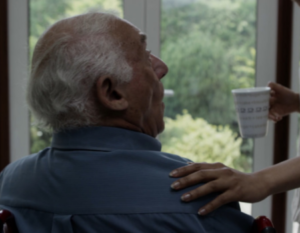
When a loved one is facing a terminal illness, making decisions about their care can be daunting. In Westchester, families often find themselves weighing the options between inpatient hospice and at home hospice care. Both approaches prioritize comfort, dignity, and quality of life forA man being given a cup of coffee in residential hospice westchester ny terminally ill patients, yet they offer distinct experiences and benefits.

What is inpatient hospice Westchester County?

Inpatient hospice care provides comprehensive support in a medical facility, such as a hospital or specialized hospice unit. This setting is ideal for patients who require intensive medical supervision and care management that cannot be provided at home. In Westchester, facilities offering inpatient hospice services focus on pain and symptom management while ensuring that patients receive 24/7 medical assistance.

Patients in inpatient hospice are cared for by a dedicated team of healthcare professionals, including doctors, nurses, social workers, and volunteers. This team collaborates to create a tailored care plan that addresses the unique needs of each individual, promoting comfort and dignity during their final days. Additionally, the facility environment provides immediate access to medical resources, making it easier to manage complex symptoms and emergencies.

Let’s learn about home hospice care Westchester NY

Conversely, at home hospice care allows patients to receive support in the comfort of their own homes. This option is often preferred by families who want to maintain a familiar environment during a challenging time. In Westchester County, organizations like Jansen Hospice & Palliative Care offer personalized home hospice care that enables patients to spend their final days surrounded by loved ones.

At home hospice care includes visits from a private hospice nurse in Westchester, who provides medical care, pain management, and emotional support. This care extends to family members, offering education, counseling, and respite care to ease the burden of caregiving. By fostering a supportive environment, families can ensure their loved ones experience a sense of peace and comfort in their final days.

Similarities between inpatient and Westchester hospice care at home

Despite their differences, inpatient and at home hospice care share a core mission: to enhance the quality of life for patients facing terminal illnesses. Both approaches prioritize pain management, symptom control, and emotional support for both patients and their families.

In both settings, the hospice philosophy affirms life while acknowledging death as a natural part of it. This means that neither type of care seeks to hasten or postpone death; rather, they focus on providing compassionate care during the final stages of life. Additionally, both inpatient and at home hospice care are covered by Medicare, Medicaid, and most private insurance plans, ensuring financial accessibility for families.

Inpatient hospice vs. home hospice

When deciding between inpatient hospice and at home hospice, families should consider the specific needs of their loved ones. Inpatient hospice may be more suitable for patients who require around-the-clock medical attention or have complex symptom management needs. On the other hand, terminal care at home in Westchester allows patients to remain in a familiar environment, surrounded by family, which can significantly enhance their emotional well-being.

Making the right choice

Ultimately, the choice between inpatient and at home hospice care depends on the individual circumstances and preferences of the patient and their family. Westchester  families can benefit from the resources available at both types of care, ensuring that their loved ones receive the best possible support during this difficult time.

For additional information and resources on hospice care, you can visit the National Hospice and Palliative Care Organization. This resource provides comprehensive guidance on hospice options, patient rights, and caregiver support.

If you’re looking in to inpatient hospice vs home hospice and want to learn more, contact us today. We here at Jansen Hospice & Palliative Care are here for you every step of the way.

Jansen Hospice: Providing the Best In-Home Hospice Care in Westchester, NY

Jansen Hospice Brings Care to You with At-Home Hospice in Westchester, NY

At Jansen Hospice, we pride ourselves on delivering the best terminal care at your home in Westchester, NY. We understand how difficult it is to navigate end-of-life care for you or a loved one. That’s why we value helping you through each step of the journey, making the process as simple and stress-free as can be.

Benefits of Terminal Care at Home in Westchester County

Our hospice care focuses on support for the highest quality of life at home or in our facilities. We define hospice as a special way of caring that emphasizes comfort and dignity for people coping with terminal illnesses. The hospice philosophy accepts death as the final stage of life; it affirms life but does not try to hasten or postpone death or cure an underlying disease. At-home hospice can make these times easier:

  • Comfort and Familiarity: One of the biggest benefits of private home hospice care is that it allows patients to receive care in their homes. This can be a major comfort for patients who are facing a terminal illness, as it allows them to stay in their familiar surroundings and spend their remaining time with their loved ones.
  • Personalized Care: Another benefit of private home hospice care is that it provides personalized care. This means that patients receive care tailored to their needs and preferences. Hospice providers work closely with patients and their families to create a care plan that meets their specific needs.
  • Family Involvement: Private home hospice care in Westchester also encourages family involvement. Hospice providers understand that the family is an important part of the patient’s care team, and they work to involve the family in the care process as much as possible. This can help families to feel more supported and informed during a difficult time.
  • Flexibility: Since you are in your own space at home, there is more flexibility in your schedule. You have the ability to schedule your hospice professionals around your own personal schedule. You also don’t need to schedule visits for activities in the same way as you would in a hospice care facility; rather, you can do whatever you want since you are in your own space.
  • Cost-Effective: Private home hospice can be more cost-effective than facility-based care. Families can save money on the cost of care while providing their loved ones with personalized care in the comfort of their own homes.

Jansen’s In-Home Hospice Services 

Our team at Jansen Hospice takes a holistic approach to care. Our healthcare professionals are trained to deliver personalized care tailored to meet the unique needs of each patient. They do this through means of pain management, symptom control, emotional support, and spiritual care. Some of our services include:

  • 24-hour on-call services and assistance, so we are always available for our patients and their families
  • Medical director who is responsible for overall medical care and planning, with an emphasis on symptom control and pain management
  • Skilled nursing care and visits from a registered nurse who formulates the hospice plan of care in communication with the patient’s physician, including arrangement for medications, supplies, equipment and additional services as needed
  • Certified home health aides who provide care and assistance with personal needs
  • Certified social workers who assist with resource and care planning, in addition to providing emotional support
  • Spiritual counseling for all faith communities
  • Bereavement counseling including individual and group support
  • Specially trained volunteers who provide companionship and assistance with daily living, friendly support, and respite care for caregivers
  • Medications for symptom management and pain control
  • Medical supplies and equipment, as needed
  • Therapies – physical, occupational and speech therapies, as needed for symptom management
  • Short-term inpatient and respite care for up to five days at contracted facilities
  • Nutritional counseling for our patients
  • Complementary care: Acoustic/Music Relaxation, Acupuncture, Aromatherapy, Art Therapy, Massage Therapy, Pet Therapy, Reflexology, Reiki, Therapeutic

Why Should You Choose Jansen?

Our goal is to provide you with the support and resources you need in order to feel relaxed for the last bit of your life. We value the relationships we have made and the experiences we share with our patients and their families.

“Jansen made an unbearable experience somewhat bearable. My wife of 52 years went into hospice at home on August 4 and died on August 29 from metastatic breast cancer. The moment we agreed with the doctors to end chemo and move to hospice, Jansen took over. Social Worker Deb Hanley organized everything. Nurse Marcia Roberts was available at all times and made sure that we had all the necessary medicines and equipment before we knew that we needed them. The aides who came to our home every day were all both kind and competent. I had never heard of Jansen before the staff at Lawrence Hospital introduced us. I do not know how to say thank you any better than writing this 5-star review.” – William H.

Looking for at-home hospice care in Westchester? Contact us for more information.

Jansen made an unbearable experience somewhat bearable. My wife of 52 years went into hospice at home on August 4 and died on August 29 from metastatic breast cancer. The moment we agreed with the doctors to end chemo and move to hospice, Jansen took over. Social Worker Deb Hanley organized everything. Nurse Marcia Roberts was available at all times and made sure that we had all the necessary medicines and equipment before we knew that we needed them. The aides who came to our home every day were all both kind and competent. I had never heard of Jansen before the staff at Lawrence Hospital introduced us. I do not know how to say thank you any better than writing this 5-star review.

— William