
Click Here To RSVP For Morning Mahjong On 1/21/26


How Art Therapy Can Make A Difference in Hospice Care in Westchester County

How Art Therapy Can Make A Difference in Hospice Care in Westchester County

Hospice care manages pain and physical symptoms, but what about the emotions that surface when facing serious illness? At Jansen Hospice, art therapy gives patients and families in Westchester County a powerful way to express themselves, create lasting memories, and find moments of genuine connection and peace. When words feel inadequate, art speaks. A brushstroke, a memory box, a family portrait created together can provide healing that medicine alone cannot offer.

What Is Art Therapy?

Art therapy is a therapeutic practice that uses creative expression to support healing and wellbeing. According to StatPearls Medical Research, art therapy is defined by the American Art Therapy Association as a therapeutic modality used over ongoing sessions to “improve cognitive and sensorimotor functions, foster self-esteem and self-awareness, cultivate emotional resilience, promote insight, enhance social skills, reduce and resolve conflicts and distress.”

For individuals in hospice care in Westchester County, art therapy provides a safe outlet to explore feelings, process difficult emotions, and find moments of peace. The beauty of art therapy is that it focuses on the process of creation, allowing patients to communicate emotions that are often difficult to put into words.

Art therapy sessions are facilitated by trained professionals who guide patients in creating art through various mediums such as painting, drawing, sculpting, collage work, or crafting memory boxes. Whether in inpatient hospice in Westchester County NY or terminal care at home in Westchester, art therapy can be tailored to everyone’s needs, abilities, and preferences.

The Science Behind Art Therapy: How It Affects the Brain and Body

Art therapy isn’t just emotionally comforting. It creates measurable changes in the brain and body. Research in neuroscience has revealed fascinating insights into how creative expression affects our physiology.

Reducing Stress Through Lower Cortisol Levels

Cortisol is the body’s primary stress hormone. When we’re under chronic stress or facing serious illness, elevated cortisol levels can impact everything from our immune system to our emotional wellbeing. Research published in Frontiers in Psychiatry examined studies showing that art-making significantly reduces cortisol. In one landmark study by Kaimal and colleagues, 75% of participants experienced reduced cortisol levels after just 45 minutes of artmaking, and most found the experience relaxing and stimulating for personal growth.

This stress reduction has real implications for hospice patients who often experience anxiety about their condition, discomfort from symptoms, and the emotional weight of facing end of life. By lowering cortisol, art therapy helps activate the body’s natural relaxation response.

Activating the Brain’s Reward SystemHome Hospice Care, Westchester

When we create art, our brains release dopamine, a neurotransmitter associated with pleasure, motivation, and reward. Research in neuroscience shows that art-making activates the brain’s reward pathways, particularly the prefrontal cortex, which is involved in emotional regulation and positive feelings.

For patients in terminal care at home in Westchester or in hospice facilities, this dopamine release provides natural mood enhancement during a time when positive experiences become increasingly precious.

Evidence-Based Benefits of Art Therapy in Hospice Care

Recent comprehensive research confirms what hospice professionals have observed for years: art therapy provides significant, measurable benefits for patients facing serious illness.

Reducing Pain, Anxiety, and Depression

A groundbreaking study published in the Journal of Pain and Symptom Management evaluated art therapy in a palliative care unit and found remarkable results. The research showed significant reductions in pain, anxiety, and depression after art therapy sessions. Most striking was that 98% of patients considered the art therapy helpful, with many reporting feeling calm, entertained, and better able to express and communicate emotions.

Another study from Taiwan’s hospice palliative care unit found that 70% of terminal cancer patients felt much or very much relaxed in their emotional state after art therapy, while 53% felt much or very much better physically. These aren’t just subjective feelings. They represent real improvements in quality of life during a critical time.

Fostering Emotional Expression and Personal Growth

A 2025 comprehensive review of 27 studies examining art therapy in palliative and hospice care found that art therapy significantly reduced emotional distress, including anxiety, depression, and psychological fatigue.

For many hospice patients, finding words for complex emotions like grief, fear, or even joy becomes difficult. Art provides an alternative language, one that doesn’t require verbal articulation but allows feelings to emerge through color, shape, texture, and imagery. This non-verbal expression can be profoundly healing.

Strengthening Family Connections

Art therapy isn’t only beneficial for patients. It creates meaningful opportunities for family participation. Research on family experiences in hospice palliative care shows that when patients and family members participate in art therapy together, it enhances family function, improves quality of life, and strengthens emotional bonds during a time when connection matters most.

Creating art together allows families to share experiences without the pressure of difficult conversations. It provides a focus for spending quality time together and creates opportunities for laughter, reflection, and mutual support. These shared creative moments become cherished memories for families after a patient’s passing.

Key Takeaways About Art Therapy in Hospice Care

  • Art therapy is an evidence-based complementary therapy that addresses emotional, psychological, and spiritual needs in hospice care
  • Research shows 98% of palliative care patients found art therapy helpful, with significant reductions in pain, anxiety, and depression
  • Art-making reduces cortisol (stress hormone) by 75% in participants and triggers dopamine release, improving mood naturally
  • 70% of hospice patients felt emotionally relaxed and 53% felt physically better after art therapy sessions
  • No artistic talent or experience is required. Therapeutic benefits come from the creative process itself
  • Art therapy strengthens family bonds and creates opportunities for meaningful connection during difficult times

Experience Holistic Care with Jansen Hospice in Westchester County

At Jansen Hospice, we’re committed to comprehensive, compassionate care that honors the whole person: body, mind, and spirit. Art therapy represents our dedication to innovative, evidence-based approaches that enhance quality of life and provide meaning during life’s final chapter.

Whether you’re considering inpatient hospice in Westchester County NY, exploring terminal care at home in Westchester, or seeking information about our holistic care approach, we’re here to answer your questions and guide you through your options.

To learn more about how art therapy and our comprehensive hospice services can support your family, contact Jansen Hospice today. We’re here to walk alongside you with expertise, warmth, and unwavering support.

Frequently Asked Questions About Art Therapy in Hospice Care

Can art therapy actually help reduce physical pain and discomfort?

Yes. Research published in the Journal of Pain and Symptom Management found that art therapy sessions resulted in significant reductions in pain intensity among palliative care patients. The study showed that 98% of patients found art therapy helpful, with many reporting decreased pain alongside improvements in anxiety and depression. Another study from Taiwan’s hospice palliative care unit found that 53% of terminal cancer patients felt much or very much better physically after art therapy sessions. The creative process helps distract from discomfort and may alter pain perception by engaging different areas of the brain.

How does art therapy benefit family members, not just the patient?

Art therapy creates powerful opportunities for family connection and healing. Research on family experiences in hospice palliative care shows that when patients and family members participate in art therapy together, it enhances family function, improves quality of life for everyone involved, and strengthens emotional bonds during a difficult time. The study found that creating art together allows families to share meaningful experiences without the pressure of difficult conversations. Additionally, research on legacy building shows that the tangible keepsakes patients create, such as memory boxes or family portraits, provide lasting comfort to loved ones after a patient’s passing.

Is there scientific proof that art therapy reduces stress and improves mood?

Yes. Neuroscience research has demonstrated that art-making produces measurable changes in the body and brain. Studies show that 75% of participants experienced reduced cortisol levels (the body’s stress hormone) after just 45 minutes of art-making. Additionally, creating art activates the brain’s reward pathways and triggers dopamine release, a neurotransmitter associated with pleasure and positive feelings. A 2025 comprehensive review of 27 studies confirmed that art therapy significantly reduced emotional distress, including anxiety, depression, and psychological fatigue in palliative and hospice care patients.

Sources

PubMed – Creative Pathways to Comfort: The Transformative Role of Art Therapy in Palliative and Hospice Care (2025)
https://pubmed.ncbi.nlm.nih.gov/39853183/

Journal of Pain and Symptom Management – Art Therapy in a Palliative Care Unit: Symptom Relief and Perceived Helpfulness in Patients and Their Relatives
https://www.jpsmjournal.com/article/S0885-3924(20)30639-4/fulltext

National Library of Medicine (PMC) – The Art Therapy Experiences of Patients and Their Family Members in Hospice Palliative Care
https://pmc.ncbi.nlm.nih.gov/articles/PMC10332731/

National Library of Medicine (PMC) – Art Therapy in Patients with Terminal Cancer and Their Families: A Multiple Case Study
https://pmc.ncbi.nlm.nih.gov/articles/PMC10703560/

PubMed – Art Therapy for Terminal Cancer Patients in a Hospice Palliative Care Unit in Taiwan
https://pubmed.ncbi.nlm.nih.gov/22329937/

National Library of Medicine (StatPearls) – Art Therapy
https://www.ncbi.nlm.nih.gov/books/NBK549771/

Frontiers in Psychology – Art Therapy and Neuroscience: Evidence, Limits, and Myths
https://www.frontiersin.org/journals/psychology/articles/10.3389/fpsyg.2024.1484481/full

Frontiers in Psychiatry – Art Therapy’s Engagement of Brain Networks for Enduring Recovery
https://www.frontiersin.org/journals/psychiatry/articles/10.3389/fpsyt.2024.1458063/full

The Benefits of Acupuncture in Hospice Care Westchester NY

How Acupuncture Can Enhance Hospice Care: Benefits of Complementary Therapies in Westchester

Acupuncture, an ancient healing practice with roots in China over 2,000 years ago, is becoming an increasingly popular complementary therapy in hospice care. By using thin needles to stimulate specific points on the body, acupuncture works to balance energy and promote the body’s natural healing processes. As one of the oldest and most commonly used medical procedures in the world, acupuncture can provide effective relief for hospice patients in Westchester County, especially when integrated into a holistic care plan. Here’s how acupuncture can benefit hospice patients and why it’s gaining recognition as an essential component of compassionate end-of-life care.

What is acupuncture?Home Hospice Care

Acupuncture involves the insertion of fine needles into the skin at precise points on the body. While it originated in China, American practices now incorporate techniques from China, Japan, Korea, and other countries. In the U.S., acupuncture became more widely known after a 1971 New York Times article highlighted its effectiveness for pain relief following surgery. Studies have shown that acupuncture can help alleviate a variety of symptoms, such as pain, nausea, and anxiety, commonly experienced by hospice patients.

The benefits of acupuncture in hospice care in Westchester

Acupuncture offers multiple benefits for patients in hospice care in Westchester, enhancing comfort and quality of life during the end-of-life journey. These include:

  • Pain relief and symptom management: Acupuncture has been shown to help manage chronic pain, a common concern for hospice patients. It stimulates the release of endorphins, the body’s natural painkillers, providing relief without relying solely on medication. Research supports acupuncture as an effective method for reducing pain from conditions such as cancer, arthritis, and other terminal illnesses​.
  • Nausea and fatigue reduction: Acupuncture is also effective in reducing nausea and fatigue, both of which can severely impact a patient’s quality of life. It has been shown to alleviate nausea caused by chemotherapy or other treatments, offering patients greater comfort in their daily lives​.
  • Emotional and psychological support: For many hospice patients, managing anxiety, depression, and emotional distress is crucial. Acupuncture promotes relaxation and a sense of well-being, helping patients feel more at ease. The soothing effects of acupuncture can help reduce symptoms of anxiety, depression, and insomnia, which are common at the end of lifelistic and Personalized Care One of the key advantages of acupuncture in hospice care is its holistic approach. Acupuncture addresses not only physical pain but also emotional and spiritual concerns, offering a more comprehensive care plan. Hospice providers in Westchester, such as Jansen Hospice & Palliative Care, offer acupuncture as part of their patient-centered care model, ensuring each patient’s needs are met in a way that aligns with their values and preferences.

If you would like to know more, visit the National Library of Medicine to read a report on these services during hospice.

Integrating acupuncture into inpatient hospice Westchester NY

Acupuncture can be seamlessly integrated into both inpatient and at-home hospice settings in Westchester County. If you are seeking Westchester at-home hospice, acupuncture is a valuable tool for enhancing overall care. In private hospice settings, where personalized care plans are designed to provide maximum comfort, acupuncture can be an essential part of the therapy offerings. We understand the importance of offering diverse treatment options like acupuncture to ensure patients experience relief across physical, emotional, and spiritual dimensions.

Why choose acupuncture in hospice care?

Choosing the right hospice provider is essential to ensuring the highest quality of life during end-of-life care. Providers in Westchester County, such as Jansen Hospice & Palliative Care, are increasingly offering acupuncture as part of their hospice services, ensuring that patients receive a comprehensive and compassionate approach to managing symptoms. Whether in hospice facilities in Westchester County or hospice care at home, acupuncture offers one of the most effective complementary therapies available.

Contact Us!

If you or a loved one is facing end-of-life care, consider exploring the benefits of acupuncture as a complementary therapy. This holistic treatment can provide significant relief from pain, nausea, fatigue, and emotional distress, ultimately enhancing the comfort and quality of life of hospice patients. For more information about acupuncture and other complementary therapies, reach out to a trusted hospice provider in Westchester like Jansen Hospice & Palliative Care.

For more details about hospice services in Westchester, contact us today.

Understanding the Differences and Similarities Between Inpatient Hospice Care and At Home Hospice Care

What’s the Difference Between Inpatient Hospice Care and At Home Hospice in Westchester

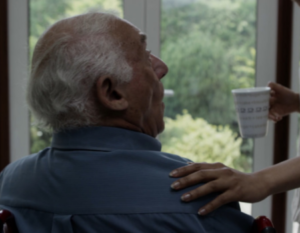
When a loved one is facing a terminal illness, making decisions about their care can be daunting. In Westchester, families often find themselves weighing the options between inpatient hospice and at home hospice care. Both approaches prioritize comfort, dignity, and quality of life forA man being given a cup of coffee in residential hospice westchester ny terminally ill patients, yet they offer distinct experiences and benefits.

What is inpatient hospice Westchester County?

Inpatient hospice care provides comprehensive support in a medical facility, such as a hospital or specialized hospice unit. This setting is ideal for patients who require intensive medical supervision and care management that cannot be provided at home. In Westchester, facilities offering inpatient hospice services focus on pain and symptom management while ensuring that patients receive 24/7 medical assistance.

Patients in inpatient hospice are cared for by a dedicated team of healthcare professionals, including doctors, nurses, social workers, and volunteers. This team collaborates to create a tailored care plan that addresses the unique needs of each individual, promoting comfort and dignity during their final days. Additionally, the facility environment provides immediate access to medical resources, making it easier to manage complex symptoms and emergencies.

Let’s learn about home hospice care Westchester NY

Conversely, at home hospice care allows patients to receive support in the comfort of their own homes. This option is often preferred by families who want to maintain a familiar environment during a challenging time. In Westchester County, organizations like Jansen Hospice & Palliative Care offer personalized home hospice care that enables patients to spend their final days surrounded by loved ones.

At home hospice care includes visits from a private hospice nurse in Westchester, who provides medical care, pain management, and emotional support. This care extends to family members, offering education, counseling, and respite care to ease the burden of caregiving. By fostering a supportive environment, families can ensure their loved ones experience a sense of peace and comfort in their final days.

Similarities between inpatient and Westchester hospice care at home

Despite their differences, inpatient and at home hospice care share a core mission: to enhance the quality of life for patients facing terminal illnesses. Both approaches prioritize pain management, symptom control, and emotional support for both patients and their families.

In both settings, the hospice philosophy affirms life while acknowledging death as a natural part of it. This means that neither type of care seeks to hasten or postpone death; rather, they focus on providing compassionate care during the final stages of life. Additionally, both inpatient and at home hospice care are covered by Medicare, Medicaid, and most private insurance plans, ensuring financial accessibility for families.

Inpatient hospice vs. home hospice

When deciding between inpatient hospice and at home hospice, families should consider the specific needs of their loved ones. Inpatient hospice may be more suitable for patients who require around-the-clock medical attention or have complex symptom management needs. On the other hand, terminal care at home in Westchester allows patients to remain in a familiar environment, surrounded by family, which can significantly enhance their emotional well-being.

Making the right choice

Ultimately, the choice between inpatient and at home hospice care depends on the individual circumstances and preferences of the patient and their family. Westchester  families can benefit from the resources available at both types of care, ensuring that their loved ones receive the best possible support during this difficult time.

For additional information and resources on hospice care, you can visit the National Hospice and Palliative Care Organization. This resource provides comprehensive guidance on hospice options, patient rights, and caregiver support.

If you’re looking in to inpatient hospice vs home hospice and want to learn more, contact us today. We here at Jansen Hospice & Palliative Care are here for you every step of the way.

FAQ’s about Inpatient Hospice in Westchester NY

Everything you need to know about inpatient hospice in Westchester

Navigating the complexities of hospice care can be overwhelming, especially when considering the best options for your loved one. At Jansen Hospice & Palliative Care, we understand the concerns and uncertainties that come with choosing the right care setting. Inpatient hospice care in Westchester, NY, provides a supportive environment for patients facing terminal illnesses. To help you make informed decisions, we’ve compiled answers to some of the most frequently asked questions about our inpatient hospice services, ensuring you have the information needed to find peace and comfort during this challenging time.

What is an inpatient hospice in Westchester NY?

Inpatient hospice is administered in a hospice care facility or hospital. Inpatient hospice combines in-person care by professionals, emotional support, and other activities that prioritize comfort for people coping with a terminal illness.

Our inpatient hospice services, offered through our affiliation with NewYork-Presbyterian/Westchester Hospital, provide access to the most advanced treatments and medications available to ensure the highest level of comfort. Each patient becomes the focus of our dedicated hospice team, including doctors, visiting nurses, social workers, home health aides, clergy, therapists, and volunteers, all working together to meet their unique needs. Our exceptional staff and volunteers offer hope and comfort, considering helping family members an essential part of our mission. Jansen’s commitment to excellence is further supported by our dedicated Board of Directors, who continually enhance our programs and services, ensuring that our patients receive the best possible care during this difficult time.

At Jansen Hospice, we define hospice as:

“Hospice is a special way of caring that emphasizes comfort and dignity for people coping with terminal illness. The hospice philosophy accepts death as the final stage of life; it affirms life, but does not try to hasten or postpone death, nor cure an underlying disease.”

What does Westchester County inpatient hospice look like?Man sitting on a swing at inpatient hospice in Westchester NY

Inpatient hospice care facilities offer a variety of different services. Jansen Hospice, for example, offers emotional, physical, and spiritual support.

  • Medical support: Having certified doctors and nurses who are there to help monitor pain and your illness is extremely important to have a good inpatient hospice experience.
  • Certified volunteers: Volunteers help plan your schedule, support you within the care center, and help to make you comfortable.
  • Spiritual and emotional counseling: Hospice is very dramatic for both you and your family. A good inpatient hospice provides both spiritual guidance for those who seek it and therapy for both you and your family to help with accepting the future.
  • Medical supplies and pain medication: When in hospice, you are still battling a severe illness, and you may need help managing that. Good medical support aims to make this a less stressful experience for you.
  • Other types of activities and therapies: This is up to the inpatient hospice provider, but having activities to help make you more comfortable and peaceful. At Jansen Hospice, we offer:
    • Acoustic/Music Relaxation
    • Acupuncture
    • Aromatherapy
    • Art Therapy
    • Massage Therapy
    • Pet Therapy
    • Reflexology
    • Reiki
    • Therapeutic

What is the difference between inpatient hospice vs. home hospice?

We offer both home hospice and inpatient hospice care to meet the diverse needs of our patients and their families. Home hospice care allows patients to receive compassionate, professional care in the comfort of their own homes, surrounded by loved ones. This approach emphasizes dignity and quality of life, with our interdisciplinary team providing medical, emotional, and spiritual support tailored to each patient’s unique needs.

In contrast, our inpatient hospice care, provided through our affiliation with NewYork-Presbyterian/Westchester Hospital, offers a more intensive level of medical support and symptom management in a dedicated facility. This setting is ideal for patients who require round-the-clock medical supervision or advanced treatments that are not feasible at home. Both options reflect Jansen’s commitment to delivering personalized, compassionate care, ensuring that patients can spend their final days in peace and comfort, whether at home or in an inpatient setting.

Depending on the hospice provider, they might have different services at-home rather than inpatient. However, either way, you should have medical support, access to medication, and support from the hospice provider.

Why should you choose inpatient hospice in Westchester County, NY?

Most people choose inpatient hospice for one of three reasons:

  1. Your illness needs continuous medical monitoring.
  2. You don’t have the support necessary at home.
  3. You have a rapidly progressing illness and no one to support you.

One of the most common reasons that individuals pick inpatient hospice is for memory care. Choosing Jansen Hospice & Palliative Care ensures that you and your loved ones receive exceptional, compassionate support during one of life’s most challenging times. Since 1984, Jansen has been dedicated to providing personalized care that honors the dignity and comfort of each patient, whether at home or in an inpatient setting.

Interested in learning more about our Westchester NY inpatient hospice, contact us today and we are happy to walk you through your options.

This place and the workers are truly a blessing. I can never repay them for the help and support that they gave me with my mom. While no other company wanted to take my moms case they were the only ones willing to take it. They stood by me thru all the trials and tribulations and I could’ve never done that transition without them eternally grateful.

— Anasia