
Save The Date For The Jansen May Benefit On May 16th!

Caregiver Burnout: Recognizing the Signs and Getting Help Before It’s Too Much

Caregiver Burnout: Recognizing the Signs and Getting Help Before It’s Too Much

You wake up exhausted even though you slept. The thought of another day managing medications, coordinating appointments, and providing round-the-clock care feels overwhelming. You can’t remember the last time you did something just for yourself. If this sounds familiar, you’re not alone, and what you’re experiencing has a name: caregiver burnout.

Jansen Hospice is a licensed hospice and palliative care provider serving Westchester County, NY with 24/7 support for patients and caregivers. We understand that caring for a loved one with a serious illness can be one of life’s most meaningful experiences, but it can also push you to your limits. Recognizing the signs of burnout and asking for support isn’t giving up. It’s what allows you to keep showing up for the person you love.

Understanding Caregiver Burnout in Home Hospice Care Westchester

Caring for a loved one with a serious illness can be physically and emotionally exhausting. According to Cleveland Clinic, caregiver burnout is a state of physical, emotional, and mental exhaustion that happens while taking care of someone else. This occurs when the demands of caregiving exceed a person’s ability to cope, often leading to stress, fatigue, and health problems.

Research from AARP and the National Alliance for Caregiving shows that nearly 1 in 4 Americans (approximately 63 million people) are family caregivers. Of these caregivers, 39% experience high emotional stress due to their caregiving responsibilities. Families often underestimate the intensity of caregiving, which involves tasks such as managing medications, coordinating appointments, assisting with daily activities, and providing emotional support. Without adequate resources and proper self-care, caregivers can experience emotional exhaustion and physical strain, making it harder for them to provide care for their loved one.

At home hospice care in Westchester Ny Jansen Hospice

Burnout can manifest in multiple ways, affecting both the mind and body:

  • Physical signs: constant fatigue, headaches, difficulty sleeping, frequent illnesses
  • Emotional signs: increased anxiety, irritability, sadness, or feelings of depression
  • Social signs: withdrawal from friends and family, loss of interest in hobbies
  • Mental signs: difficulty concentrating, forgetfulness, or feeling constantly overwhelmed

According to A Place for Mom, over 60% of caregivers report experiencing moderate to high levels of stress, and between 40-70% show clinical symptoms of depression. Additionally, 23% of caregivers report that caregiving has negatively affected their own physical health. Recognizing burnout early can prevent more serious consequences and help caregivers maintain their own well-being so they can continue supporting their loved one to the best of their ability.

What is Long Term Hospice Care and How It Supports Caregivers

Long term hospice care provides ongoing support for patients and families facing serious illnesses over extended periods. Unlike acute care, long term hospice care focuses on comfort, quality of life, and comprehensive support that includes caregiver education and respite services. This type of care recognizes that caregiving is a marathon, not a sprint, and provides resources to help families sustain their caregiving role over time.

Strategies to Prevent or Reduce Burnout

Preventing caregiver burnout requires both practical and emotional strategies. Here are a couple ways you can help yourself:

  • Share responsibilities: lean on relatives or friends to divide caregiving tasks, even for short periods of time
  • Prioritize personal well-being: maintain regular sleep, nutrition, and physical activity, and make time for hobbies that bring you joy
  • Join support groups: in-person or virtual support groups provide connection, advice, and help you feel less alone
  • Utilize services: options like in-home care or adult day programs give caregivers time to rest and recharge

Research published by the National Institutes of Health indicates that social isolation, poor health, and negative perspectives on caring represent important burnout predictors among family caregivers. This underscores the importance of seeking support and maintaining connections with others during the caregiving journey.

“Everyone is really dedicated to what they do for their patients and their families. And that’s what gives me joy and love to work with this team” – Milena Zaprianova, Jansen Patient Care Director

Key Takeaways

  • Two women talking in a parkCaregiver burnout affects more than 60% of caregivers and is a state of physical, emotional, and mental exhaustion
  • Common signs include fatigue, irritability, social withdrawal, difficulty sleeping, and neglecting self-care
  • Nearly 1 in 4 Americans provides unpaid care to a loved one, with 39% experiencing high emotional stress
  • Sharing responsibilities, prioritizing self-care, joining support groups, and utilizing respite services are effective strategies to prevent burnout
  • Recognizing burnout early and seeking help protects both the caregiver’s health and their ability to provide quality care
  • Burnout is not a sign of failure. It’s a natural response to the demanding nature of caregiving

Frequently Asked Questions

What’s the difference between caregiver stress and caregiver burnout?

Caregiver stress is a normal response to caregiving demands and typically comes and goes. Caregiver burnout is more severe and persistent. It’s a state of complete physical, emotional, and mental exhaustion where you feel overwhelmed, depleted, and unable to cope. While stress might make you feel tired after a particularly difficult day, burnout makes you feel exhausted all the time, even after rest. If you’re experiencing symptoms that last for weeks or interfere with your daily life, you may be experiencing burnout rather than temporary stress.

How can I ask for help when I feel guilty taking a break?

Many caregivers struggle with guilt when considering respite care or asking for help. Remember that taking care of yourself isn’t selfish. It’s essential for providing quality care to your loved one. Think of it like the airplane oxygen mask analogy: you need to secure your own mask before helping others. Start small by asking a friend or family member to sit with your loved one for just an hour while you take a walk or run an errand. You can also frame it positively to your loved one by explaining that taking breaks helps you be a better, more patient caregiver. Professional respite services are specifically designed to give caregivers the breaks they need without compromising their loved one’s care.

When should I consider professional help for caregiver burnout?

You should seek professional help if you’re experiencing persistent symptoms of depression or anxiety, having thoughts of harming yourself or your loved one, feeling resentment or anger toward the person you’re caring for, withdrawing from all social activities and relationships, or noticing your physical health is declining significantly. These are signs that burnout has progressed beyond what self-care alone can address. Speaking with a therapist, counselor, or your own healthcare provider can provide you with coping strategies and support. Many communities also offer caregiver support groups led by professionals who understand the unique challenges of caregiving. Remember, seeking help is a sign of strength, not weakness.

Westchester County Home Hospice Care: Support for Southern Westchester Families

At Jansen Hospice, we understand that caring for your loved one shouldn’t mean losing yourself in the process. Our team provides 24/7 support not just for patients, but for the family members and caregivers who make home hospice care possible in Southern Westchester. We offer guidance on managing symptoms, respite care options, and emotional support for the entire family. If you’re feeling overwhelmed or just need someone to talk to who understands what you’re going through, reach out. We’re here to help you navigate this journey while taking care of yourself along the way.
Sources

Is It Time for Hospice? Signs That Hospice Care in Westchester May Be Right for Your Loved One

Recognizing when a loved one might benefit from hospice care is one of the most difficult decisions families face. Many people in Westchester County wonder if they’re considering it too early or waiting too long, and these concerns are completely natural. Hospice care is designed to provide comfort, dignity, and support when curative treatment is no longer the focus, typically when someone has a life-limiting illness with an expected prognosis of six months or less. Understanding the signs that suggest hospice may be appropriate can help families make informed decisions that honor their loved one’s wishes and improve quality of life during this important time.

Understanding Eligibility and Long Term Hospice Care

According to the Centers for Medicare & Medicaid Services, hospice care becomes an option when a physician determines that a patient has a terminal illness with a life expectancy of six months or less if the disease follows its natural course. This guideline often causes confusion and concern for families, so let’s clarify what it really means.

The Six-Month Prognosis Guideline

The six-month timeframe is not a deadline or a guarantee. It’s simply a clinical guideline used to determine eligibility for hospice services. Many families worry that choosing hospice means “giving up,” but this couldn’t be further from the truth. Hospice represents a shift in focus from curing disease to maximizing comfort and quality of life.

Here’s what’s important to understand: patients can receive long term hospice care for longer than six months if their physician continues to certify that they remain eligible. Some patients even improve with the excellent symptom management and support that hospice provides, and they can choose to leave hospice and return to curative treatment at any time.

Common Signs That Suggest Hospice May Be Appropriate

The National Hospice and Palliative Care Organization identifies several clinical indicators that suggest a patient may benefit from hospice care. Recognizing these signs helps families have important conversations earlier:

Physical Changes and Functional Decline

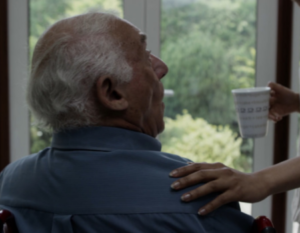
A man being given a cup of coffee in residential hospice westchester nySeveral physical changes often indicate that comfort care would be beneficial:

  • Increasing difficulty with basic daily activities like bathing, dressing, or walking
  • Progressive weakness or spending most of the day in bed or a chair
  • Unintentional weight loss or decreasing appetite despite efforts to maintain nutrition
  • Frequent infections or recurring hospitalizations
  • Declining response to treatments that previously helped manage symptoms
  • Increased confusion or changes in consciousness
  • Difficulty swallowing or decreased interest in eating and drinking

Medical Indicators

According to the Centers for Medicare & Medicaid Services, healthcare providers look at several medical factors when considering hospice appropriateness:

  • Disease progression despite treatment: The illness continues to advance even with aggressive medical intervention
  • Multiple emergency room visits: Frequent hospitalizations often signal declining health and unmanaged symptoms
  • Treatment burden exceeds benefit: Medical interventions cause more distress than improvement in quality of life
  • Physician assessment: Doctor’s clinical judgment that curative treatment is no longer effective

Who Can Initiate a Hospice Referral

Many people don’t realize that anyone can start the conversation about hospice care. While a physician’s certification is required for enrollment, the initial discussion can come from several sources:

  • The patient themselves, when they recognize their own changing needs
  • Family members or caregivers who notice declining health
  • Physicians, nurses, or other healthcare providers

You don’t need to wait for your doctor to bring it up. If you’re wondering whether hospice might help your situation, it’s completely appropriate to ask. We’re here to have that conversation without pressure or judgment.

What Hospice Care Provides in Westchester County

Hospice is much more than end-of-life care. It’s a comprehensive approach that addresses physical, emotional, and spiritual needs for both patients and families. Most hospice care in Westchester happens at home, allowing your loved one to remain in familiar, comfortable surroundings while receiving expert support.

Comprehensive Support Services

Hospice teams typically include physicians, nurses, social workers, chaplains, home health aides, and trained volunteers. Together, they provide expert pain and symptom management, medications and medical equipment related to the hospice diagnosis, emotional and spiritual support for patients and families, assistance with daily care needs, and bereavement support for families after their loved one passes.

This comprehensive approach means families don’t have to navigate this difficult time alone. We’re here to support you every step of the way.

Key Takeaways

hospice nurse

  • Hospice eligibility is based on a six-month prognosis guideline, but long term hospice care is available if needed beyond this timeframe
  • Common signs that suggest hospice may help include functional decline, frequent hospitalizations, weight loss, and declining response to treatment
  • Many families wish they had started hospice care sooner to benefit from better symptom management and support
  • Anyone can initiate a conversation about hospice, including patients, families, or healthcare providers
  • Hospice provides comprehensive support including medical care, emotional support, and family assistance
  • Most hospice care happens at home, allowing patients to receive expert care in comfortable surroundings
  • Choosing hospice represents a shift in focus toward comfort and quality of life, not giving up

Frequently Asked Questions

How do I know if my loved one qualifies for hospice care?

Your loved one may qualify for hospice if they have a terminal illness and a physician certifies that their life expectancy is six months or less if the disease follows its natural course. According to the Centers for Medicare & Medicaid Services, hospice eligibility is determined by a physician’s clinical judgment based on the normal course of the individual’s illness. This assessment considers factors like disease progression, functional decline, and response to treatment, and the certification can be renewed if your loved one continues to meet eligibility criteria for long term hospice beyond six months.

Can my loved one still see their regular doctor while on hospice?

Yes, your loved one can continue to see their primary care physician while receiving hospice care. Medicare.gov explains that hospice patients can maintain relationships with their existing healthcare providers, and the hospice team works collaboratively with these doctors to ensure coordinated care. The hospice team becomes the primary coordinator for care related to the terminal illness, but patients can still receive treatment for conditions unrelated to their hospice diagnosis and maintain important medical relationships that provide comfort and continuity.

What if my loved one gets better on hospice?

If your loved one’s condition improves or stabilizes while receiving hospice care, they can choose to leave hospice and return to curative treatment at any time. The National Hospice and Palliative Care Organization notes that some patients experience improved quality of life and even stabilization of their condition due to excellent symptom management and reduced stress from hospitalizations. Patients have the right to revoke hospice services whenever they wish, and they can re-enroll later if their condition changes and they become eligible again. This flexibility ensures that hospice remains a choice that serves your loved one’s best interests.

Does choosing hospice mean we have to stop all treatments?

Choosing hospice means shifting the focus from curative treatment to comfort care, but it doesn’t mean stopping all interventions. Medicare.gov clarifies that hospice covers all care and services related to the terminal illness, including medications for pain and symptom management, medical equipment, and necessary nursing care. Some treatments that provide comfort or improve quality of life may continue, while aggressive interventions aimed at curing the disease typically stop. The hospice team works with your family to determine which care approaches best honor your loved one’s wishes and provide the most benefit during this time.

Let Jansen Hospice Support Your Family

If you’re wondering whether hospice care might be right for your loved one, we’re here to talk through your specific situation without pressure or judgment. At Jansen Hospice, we provide compassionate in home hospice care in Westchester, bringing expert support directly to families throughout the county. Our experienced team understands that every family’s journey is unique, and we’re available to answer your questions, explain the hospice process, and help you understand what services we can provide.

Contact us today to learn more about how hospice care in Westchester can support your family during this important time.

Sources

  1. Centers for Medicare & Medicaid Services – Hospice Coverage: https://www.cms.gov/medicare/payment/fee-for-service-providers/hospice
  2. Medicare.gov – Hospice Care Coverage: https://www.medicare.gov/coverage/hospice-care
  3. National Hospice and Palliative Care Organization: https://www.nhpco.org/

A Life Well Lived: Lessons from a Park Bench

At Jansen Hospice and Palliative Care, we are often reminded that the final chapters of life can be the most meaningful. In the stillness of those moments, there is space for presence, for reflection, and for gratitude.

One of our longtime volunteers, Tina Stout, shared a memory that captures the beauty of what we strive to provide: the chance for each person to live well until the very end. A memory that is about moments that carry weight. Moments that teach us something about being alive.

The Gift of Awareness in At Home Hospice Care

Tina sat beside a patient, a woman she refers to as Charlotte, who was living with pancreatic cancer. Charlotte did not have many weeks left, and she knew it. And yet what she offered that day was not fear or sorrow. It was awareness.

They were mid-conversation when Charlotte stopped, caught by the sight of a cherry tree in bloom. What she said next stayed with Tina for years.

A Moment That Changed Everything


Can’t watch the video? Here’s a transcript of Tina’s story:

“Hello, I’m Tina Stout. In one of my first years as a Jansen volunteer, I was sitting on a park bench with a patient—I’ll call her Charlotte, though that wasn’t her real name. Charlotte had pancreatic cancer and knew she did not have many more weeks to live.

It was a beautiful afternoon in the spring, and we were talking. I can’t remember about what. Suddenly, Charlotte stopped herself mid-sentence and pointed to a beautiful blooming cherry tree. ‘Look,’ she said. ‘Look at that tree. I don’t think anything can be more beautiful than when you think you may be seeing it for the last time.’

Together, we looked at that tree, and at other trees, and at the flowers. We watched mothers pushing strollers and listened to the train that rolled by behind us. And all of it, if not for the last time, was close to the last time for Charlotte.

We at Jansen try to help every patient have a life well lived. But it became clear to me that they are also guiding us. They remind me every time to embrace life and try to live well for myself every day. It’s an amazing gift that you have for us.”

More Than a Westchester Home Hospice Care Volunteer

What Tina’s story shows is that hospice care is about relationships. It is about bearing witness to the full experience of life, including its end. Tina did not go into that afternoon expecting to be changed, but she was.

Moments like these do not require grand gestures or perfect words. They just need space. At Jansen, we work every day to create that space within our Westchester County home hospice care services, so people can look at a cherry tree and see it as if for the first time.

Our patients are not just receiving care. They are also teaching us how to live. They remind us to slow down, to pay attention, and to find beauty in what we often overlook.

If you or a loved one are looking for Westchester home hospice care, please don’t hesitate to reach out and contact us. We will take you in with open arms, and welcome you warmly into the Jansen Family.

This place and the workers are truly a blessing. I can never repay them for the help and support that they gave me with my mom. While no other company wanted to take my moms case they were the only ones willing to take it. They stood by me thru all the trials and tribulations and I could’ve never done that transition without them eternally grateful.

— Anasia