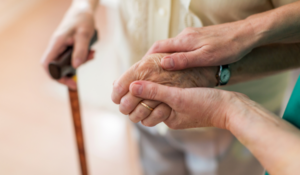
Hospice care manages pain and physical symptoms, but what about the emotions that surface when facing serious illness? At Jansen Hospice, art therapy gives patients and families in Westchester County a powerful way to express themselves, create lasting memories, and find moments of genuine connection and peace. When words feel inadequate, art speaks. A brushstroke, a memory box, a family portrait created together can provide healing that medicine alone cannot offer.
What Is Art Therapy?
Art therapy is a therapeutic practice that uses creative expression to support healing and wellbeing. According to StatPearls Medical Research, art therapy is defined by the American Art Therapy Association as a therapeutic modality used over ongoing sessions to “improve cognitive and sensorimotor functions, foster self-esteem and self-awareness, cultivate emotional resilience, promote insight, enhance social skills, reduce and resolve conflicts and distress.”
For individuals in hospice care in Westchester County, art therapy provides a safe outlet to explore feelings, process difficult emotions, and find moments of peace. The beauty of art therapy is that it focuses on the process of creation, allowing patients to communicate emotions that are often difficult to put into words.
Art therapy sessions are facilitated by trained professionals who guide patients in creating art through various mediums such as painting, drawing, sculpting, collage work, or crafting memory boxes. Whether in inpatient hospice in Westchester County NY or terminal care at home in Westchester, art therapy can be tailored to everyone’s needs, abilities, and preferences.
The Science Behind Art Therapy: How It Affects the Brain and Body
Art therapy isn’t just emotionally comforting. It creates measurable changes in the brain and body. Research in neuroscience has revealed fascinating insights into how creative expression affects our physiology.
Reducing Stress Through Lower Cortisol Levels
Cortisol is the body’s primary stress hormone. When we’re under chronic stress or facing serious illness, elevated cortisol levels can impact everything from our immune system to our emotional wellbeing. Research published in Frontiers in Psychiatry examined studies showing that art-making significantly reduces cortisol. In one landmark study by Kaimal and colleagues, 75% of participants experienced reduced cortisol levels after just 45 minutes of artmaking, and most found the experience relaxing and stimulating for personal growth.
This stress reduction has real implications for hospice patients who often experience anxiety about their condition, discomfort from symptoms, and the emotional weight of facing end of life. By lowering cortisol, art therapy helps activate the body’s natural relaxation response.
Activating the Brain’s Reward System
When we create art, our brains release dopamine, a neurotransmitter associated with pleasure, motivation, and reward. Research in neuroscience shows that art-making activates the brain’s reward pathways, particularly the prefrontal cortex, which is involved in emotional regulation and positive feelings.
For patients in terminal care at home in Westchester or in hospice facilities, this dopamine release provides natural mood enhancement during a time when positive experiences become increasingly precious.
Evidence-Based Benefits of Art Therapy in Hospice Care
Recent comprehensive research confirms what hospice professionals have observed for years: art therapy provides significant, measurable benefits for patients facing serious illness.
Reducing Pain, Anxiety, and Depression
A groundbreaking study published in the Journal of Pain and Symptom Management evaluated art therapy in a palliative care unit and found remarkable results. The research showed significant reductions in pain, anxiety, and depression after art therapy sessions. Most striking was that 98% of patients considered the art therapy helpful, with many reporting feeling calm, entertained, and better able to express and communicate emotions.
Another study from Taiwan’s hospice palliative care unit found that 70% of terminal cancer patients felt much or very much relaxed in their emotional state after art therapy, while 53% felt much or very much better physically. These aren’t just subjective feelings. They represent real improvements in quality of life during a critical time.
Fostering Emotional Expression and Personal Growth
A 2025 comprehensive review of 27 studies examining art therapy in palliative and hospice care found that art therapy significantly reduced emotional distress, including anxiety, depression, and psychological fatigue.
For many hospice patients, finding words for complex emotions like grief, fear, or even joy becomes difficult. Art provides an alternative language, one that doesn’t require verbal articulation but allows feelings to emerge through color, shape, texture, and imagery. This non-verbal expression can be profoundly healing.
Strengthening Family Connections
Art therapy isn’t only beneficial for patients. It creates meaningful opportunities for family participation. Research on family experiences in hospice palliative care shows that when patients and family members participate in art therapy together, it enhances family function, improves quality of life, and strengthens emotional bonds during a time when connection matters most.
Creating art together allows families to share experiences without the pressure of difficult conversations. It provides a focus for spending quality time together and creates opportunities for laughter, reflection, and mutual support. These shared creative moments become cherished memories for families after a patient’s passing.
Key Takeaways About Art Therapy in Hospice Care
- Art therapy is an evidence-based complementary therapy that addresses emotional, psychological, and spiritual needs in hospice care
- Research shows 98% of palliative care patients found art therapy helpful, with significant reductions in pain, anxiety, and depression
- Art-making reduces cortisol (stress hormone) by 75% in participants and triggers dopamine release, improving mood naturally
- 70% of hospice patients felt emotionally relaxed and 53% felt physically better after art therapy sessions
- No artistic talent or experience is required. Therapeutic benefits come from the creative process itself
- Art therapy strengthens family bonds and creates opportunities for meaningful connection during difficult times
Experience Holistic Care with Jansen Hospice in Westchester County
At Jansen Hospice, we’re committed to comprehensive, compassionate care that honors the whole person: body, mind, and spirit. Art therapy represents our dedication to innovative, evidence-based approaches that enhance quality of life and provide meaning during life’s final chapter.
Whether you’re considering inpatient hospice in Westchester County NY, exploring terminal care at home in Westchester, or seeking information about our holistic care approach, we’re here to answer your questions and guide you through your options.
To learn more about how art therapy and our comprehensive hospice services can support your family, contact Jansen Hospice today. We’re here to walk alongside you with expertise, warmth, and unwavering support.
Frequently Asked Questions About Art Therapy in Hospice Care
Can art therapy actually help reduce physical pain and discomfort?
Yes. Research published in the Journal of Pain and Symptom Management found that art therapy sessions resulted in significant reductions in pain intensity among palliative care patients. The study showed that 98% of patients found art therapy helpful, with many reporting decreased pain alongside improvements in anxiety and depression. Another study from Taiwan’s hospice palliative care unit found that 53% of terminal cancer patients felt much or very much better physically after art therapy sessions. The creative process helps distract from discomfort and may alter pain perception by engaging different areas of the brain.
How does art therapy benefit family members, not just the patient?
Art therapy creates powerful opportunities for family connection and healing. Research on family experiences in hospice palliative care shows that when patients and family members participate in art therapy together, it enhances family function, improves quality of life for everyone involved, and strengthens emotional bonds during a difficult time. The study found that creating art together allows families to share meaningful experiences without the pressure of difficult conversations. Additionally, research on legacy building shows that the tangible keepsakes patients create, such as memory boxes or family portraits, provide lasting comfort to loved ones after a patient’s passing.
Is there scientific proof that art therapy reduces stress and improves mood?
Yes. Neuroscience research has demonstrated that art-making produces measurable changes in the body and brain. Studies show that 75% of participants experienced reduced cortisol levels (the body’s stress hormone) after just 45 minutes of art-making. Additionally, creating art activates the brain’s reward pathways and triggers dopamine release, a neurotransmitter associated with pleasure and positive feelings. A 2025 comprehensive review of 27 studies confirmed that art therapy significantly reduced emotional distress, including anxiety, depression, and psychological fatigue in palliative and hospice care patients.
Sources
PubMed – Creative Pathways to Comfort: The Transformative Role of Art Therapy in Palliative and Hospice Care (2025)
https://pubmed.ncbi.nlm.nih.gov/39853183/
Journal of Pain and Symptom Management – Art Therapy in a Palliative Care Unit: Symptom Relief and Perceived Helpfulness in Patients and Their Relatives
https://www.jpsmjournal.com/article/S0885-3924(20)30639-4/fulltext
National Library of Medicine (PMC) – The Art Therapy Experiences of Patients and Their Family Members in Hospice Palliative Care
https://pmc.ncbi.nlm.nih.gov/articles/PMC10332731/
National Library of Medicine (PMC) – Art Therapy in Patients with Terminal Cancer and Their Families: A Multiple Case Study
https://pmc.ncbi.nlm.nih.gov/articles/PMC10703560/
PubMed – Art Therapy for Terminal Cancer Patients in a Hospice Palliative Care Unit in Taiwan
https://pubmed.ncbi.nlm.nih.gov/22329937/
National Library of Medicine (StatPearls) – Art Therapy
https://www.ncbi.nlm.nih.gov/books/NBK549771/
Frontiers in Psychology – Art Therapy and Neuroscience: Evidence, Limits, and Myths
https://www.frontiersin.org/journals/psychology/articles/10.3389/fpsyg.2024.1484481/full
Frontiers in Psychiatry – Art Therapy’s Engagement of Brain Networks for Enduring Recovery
https://www.frontiersin.org/journals/psychiatry/articles/10.3389/fpsyt.2024.1458063/full